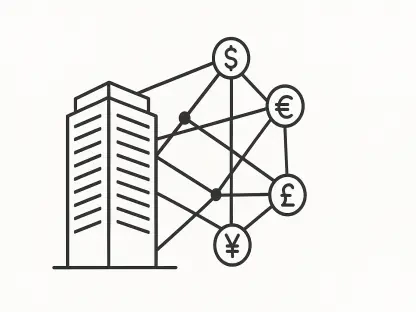

The decision to overhaul a corporate identity often feels like choosing between a cosmetic touch-up and a total structural demolition, yet modern strategy suggests a third path exists. Traditionally, organizations viewed brand updates through a simple dichotomy: the “evolution” of a refresh or the “revolution” of a full rebrand. However, viewing a brand as a system of electrical circuitry offers a more nuanced perspective, where the “rewire” addresses the underlying energy powering the business. This approach moves beyond visibility, focusing instead on how brand systems maintain relevance and support growth through operational alignment.
Effective branding serves as a tool of utility rather than mere decoration. When a system fails, the problem may not be the exterior paint but the internal wiring that connects the product to the consumer promise. Examining the trajectories of companies like Canva and Qantas reveals how different pressures necessitate specific strategic responses. While Canva faced the challenge of scaling its narrative to match enterprise expansion, Qantas struggled with a disconnect between its prestigious heritage and actual service delivery.
Understanding the Spectrum of Brand Evolution: Refreshing, Rebranding, and Rewiring
The traditional marketing landscape divides brand transformation into two camps: the refresh and the rebrand. A refresh is an evolutionary step that updates the look and feel while keeping the core identity intact. In contrast, a rebrand is a revolutionary shift that involves changing the fundamental strategy or name. However, the concept of a “rewire” introduces a third option that treats the brand as a functional system. Much like electrical wiring powers a house, a brand system powers an organization by connecting internal operations to external perceptions.
This systemic view prioritizes maintaining relevance and supporting business growth through operational alignment rather than just visibility. By focusing on utility, companies can ensure that their branding work actually assists in solving business problems. For instance, Canva’s transition into an enterprise platform required more than a new logo; it required a structural realignment of its brand narrative to suit larger corporate clients. This perspective shifts the focus from how a brand looks to how it functions within the larger enterprise ecosystem.
Comparative Evaluation of Brand Transformation Strategies
Degree of Transformation: Aesthetic Updates vs. Fundamental Shifts
A brand refresh functions much like changing lightbulbs to brighten a room; the core structure and strategy remain intact while visual elements receive a modern polish. This tactical execution allows a company to stay current without abandoning its established identity. It is often the preferred route for a business that is performing well but feels visually stagnant. By updating color palettes or typography, a brand maintains its history while signaling that it is keeping pace with contemporary design standards.
In contrast, a rebrand involves replacing the entire infrastructure. This fundamental shift often requires a new name, a different market position, or a complete overhaul of the business model to signal a departure from the past. When a business model undergoes a transformation, a superficial update is insufficient to communicate the change. A full rebrand signals a new direction to stakeholders, ensuring that the visual identity reflects a deeper change in purpose or market category.
Growth Dynamics: Realigning Narrative with Enterprise Expansion
Businesses frequently outgrow their original identities as they expand into new market segments. Canva provides a definitive example of this phenomenon, having transitioned from a niche design tool for non-designers into a robust enterprise platform. To compete effectively with industry giants like Microsoft and Google, the company could not rely solely on its reputation as a user-friendly app for individuals. It needed a “rewire” to reframe its narrative for large-scale organizations that require security, collaboration, and scalability.
This transition required a strategic realignment of how the brand communicated value to corporate departments. By focusing on the narrative before the visual identity, Canva ensured that its expansion was supported by a brand system capable of carrying enterprise-level weight. This demonstrates that growth often necessitates a change in the underlying logic of the brand rather than just its outward appearance. A rewire bridges the gap between what a company was and what it has become.
Brand-Business Alignment: Bridging the Gap Between Promise and Reality
A significant risk in corporate strategy is the widening gap between the public-facing brand and actual business operations. Qantas illustrated this danger when its enduring promise as “The Spirit of Australia” began to clash with a decline in customer experience. When operational reality—marked by flight delays and call center frustrations—fails to meet the brand promise, marketing efforts can actually accelerate reputational damage. In these cases, the brand is making promises the business can no longer keep.
A rewire in this context prioritizes fixing the product over launching a new advertising campaign. For Qantas, the path forward involved investing in call center efficiency and flight performance rather than attempting to mask issues with a new slogan. Integrity in branding requires that the internal circuitry can actually deliver the power it promises to the external world. Successful alignment proves that brand health is inextricably linked to operational excellence and the reliability of the customer experience.
Key Challenges and Strategic Hurdles in Brand Realignment
Diagnosing the root cause of brand stagnation remains one of the most difficult hurdles for leadership teams. The risk of choosing a cosmetic fix for a systemic problem is high, especially when organizations prioritize visibility over operational utility. If the business is changing faster than its public image, a simple visual update will fail to gain traction. Leaders must determine whether they are facing an aesthetic issue or a deeper breakdown in the connection between the product and the promise.
Traditional agencies often complicate this by focusing on logos and slogans rather than the underlying connection between the product and the user. Technical and organizational difficulties also arise when repairing a brand that has lost its internal integrity. Repairing a brand’s reputation requires more than just a new coat of paint; it requires a commitment to solving the technical and functional failures that caused the brand to stall. This makes the “utility” of the brand the most critical metric for long-term success.
Synthesis and Practical Guidance for Brand Selection
The comparison between refreshing, rebranding, and rewiring established that the most effective strategy depended entirely on the nature of the organizational disconnect. Organizations that required modernization toward current design standards found success in the refresh model. Conversely, those facing a total shift in business direction or market category utilized the rebrand to signal a new beginning. The rewire emerged as the essential choice for businesses like Canva and Qantas, where the primary goal was to align the narrative with growth or to repair the link between promise and performance.
Decision-makers benefited from a framework that prioritized the utility of the brand as an operational tool. By focusing on internal product investment over external marketing, companies ensured that their public image remained grounded in reality. The transition from viewing a brand as an aesthetic asset to a systemic power source allowed leaders to choose the correct level of intervention. This strategic clarity prevented the waste of resources on superficial changes and fostered long-term resilience by ensuring the brand system remained fully powered and accurately connected to the business.