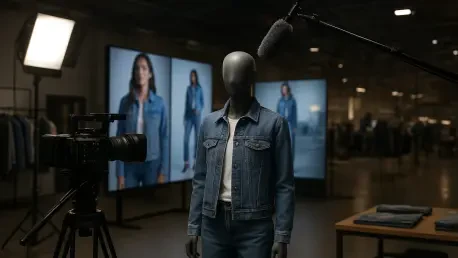

Gap Inc. is following a trend where brands must become content creators to survive the decline of traditional advertising and passive consumer engagement. Under the leadership of CEO Richard Dickson, the company is orchestrating a pivot toward “Fashiontainment,” a hybrid model that treats apparel as a component of a larger media ecosystem. By reimagining its portfolio—Gap, Old Navy, Banana Republic, and Athleta—as lifestyle entities, the corporation aims to secure a permanent place in the stories and digital experiences that consumers interact with daily. This strategy reflects a significant industry recognition that remaining a mere garment manufacturer is insufficient in an era defined by attention scarcity. To realize this vision, the firm has established a dedicated entertainment division led by seasoned executives from the media world. This shift represents a fundamental transformation of the company’s identity, moving away from the seasonal retail cycle toward a continuous stream of culture-shaping content that invites deeper brand loyalty.
Building a Bridge to Hollywood
Content Strategy: Crafting Original Narratives
Justin Breton, the newly appointed Vice President of Development, is tasked with moving beyond the limits of traditional commercials by developing original content that resonates with specific audience segments. Each brand within the Gap Inc. portfolio requires a distinct voice; for instance, Athleta focuses on female empowerment and performance through long-form video content, while Old Navy emphasizes humor and family-centric narratives. By creating original shows and characters, the company is attempting to own the narrative rather than renting influence from external celebrities. This creative agility is necessary to stay ahead of fast-fashion competitors who rely primarily on volume and price.
The move toward serialized storytelling allows Gap Inc. to build a persistent universe where consumers can follow ongoing arcs that extend beyond a single marketing campaign. This strategy mimics the success of media franchises, turning seasonal clothing launches into major cultural events that drive consistent engagement. Instead of guessing which styles will trend, the entertainment division can test concepts through interactive media before scaling them to physical production. This integration of entertainment and logistics represents a significant departure from old-school merchandising, ensuring that the creative direction is always aligned with the evolving digital landscape.
Industry Collaboration: Navigating the Greenlight Process
To execute this ambitious vision, the company has established a sophisticated pipeline for content production that mirrors the workflows of major Hollywood studios. Through a high-level partnership with Creative Artists Agency (CAA), Gap Inc. gains access to elite writers, directors, and production talent who can elevate the brand’s creative output to cinematic standards. Breton acts as the senior executive responsible for managing these external relationships, serving as a translator between the needs of a retail giant and the demands of the creative community. This collaboration ensures that every project is vetted for artistic quality and commercial impact.
The “greenlight” process involves a rigorous evaluation of potential projects to ensure they align with the core values of the respective brands while remaining viable for distribution on major platforms. By operating with this level of professional rigor, the company avoids the pitfalls of amateurish branded content that often fails to capture consumer interest. Instead, it positions itself as a credible player in the entertainment industry, capable of co-producing high-quality series that people choose to watch voluntarily. This structured approach allows the company to negotiate more favorable terms with studios and talent agents, securing its place in the modern pop culture zeitgeist.
The Digital Blueprint for Success
Lessons from Retail MediThe Walmart Legacy
The strategy relies heavily on lessons learned from the successful integration of commerce and content seen in the retail media space over the past few years. Justin Breton brought a wealth of knowledge from his previous tenure at Walmart, where he pioneered the concept of shoppable entertainment through projects like “Camp by Walmart.” This initiative demonstrated that audiences were willing to engage with brand-led content if the quality was high and the utility was clear to the viewer. By applying these methodologies to Gap Inc., Breton is working to create environments where the boundary between viewing and purchasing is nearly invisible.
Beyond interactive series, the use of strategic narrative placements within established streaming ecosystems like Netflix is a key component of the new blueprint. During his time in retail media, Breton navigated complex deals that placed products in a way that felt authentic to the storyline rather than forced or intrusive. Gap Inc. is now using this expertise to go beyond simple product placement, seeking deep narrative integrations that resonate with the audience’s lifestyle. This approach is particularly effective against the backdrop of increasing ad-blocker usage, ensuring that the brands remain top-of-mind without being perceived as a typical advertisement.
Engaging the Next Generation: Metaverse and Gaming
Reaching the next generation of shoppers required presence in the digital environments where they spent the majority of their time, specifically within gaming and virtual worlds. The company invested heavily in platforms like Roblox, which allowed for a level of interaction that traditional retail could not match by offering users the chance to dress their digital avatars in exclusive collections. This bridge between the physical and digital realms was essential for capturing the loyalty of younger consumers who valued seamless, omnichannel experiences. By creating these immersive brand worlds, the organization fostered a sense of community and active participation.
The implementation of the Fashiontainment strategy signaled a definitive break from the past, as the company successfully transitioned from a clothing retailer to a content-led lifestyle brand. Executives recognized that the only way to combat the fragmentation of consumer attention was to own the platforms and stories where that attention resided. This transition proved that the survival of iconic labels depended on their ability to entertain and inspire, rather than just providing functional utility. The shift toward a participatory model marked the end of one-way communication, replacing it with a dynamic conversation that empowered consumers to become part of the brand story.