
The contemporary digital landscape has reached a critical saturation point where users are increasingly feeling isolated despite being constantly connected through various social media platforms. Foldin, a location-based social network, has officially transitioned from an invite-only phase to a public beta to address this specific paradox by encouraging genuine physical interaction. Founded by Lilis Huri, the platform seeks to dismantle the cycle of endless scrolling that characterizes contemporary mobile application usage by replacing digital consumption with real-world participation. By launching this public phase, the company aims to facilitate a shift in how individuals perceive their local environments, transforming passive observers into active community members. This transition represents a significant milestone for the startup, which has already established a substantial foothold in several major cities through its previous closed testing period. The platform operates on the premise that technology should serve as a bridge rather than a destination.
1. Transitioning From Digital Feeds To Physical Presence
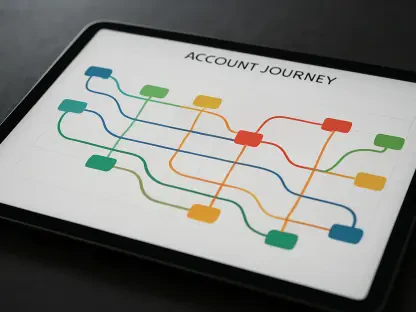
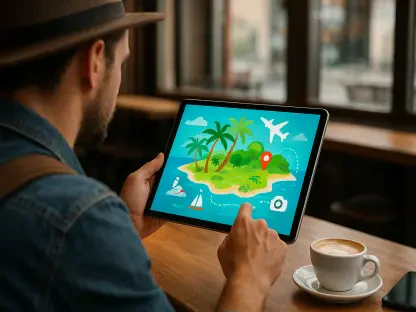
The core architecture of the Foldin platform is built around a unique three-step progression known as the Foldin Flow, which includes pinning locations, discovering events, and eventually attending them. Unlike traditional social media algorithms designed to maximize time spent within the app, this system incentivizes users to minimize screen time in favor of exploration. The initial phase, referred to as pinning, allows individuals to mark specific points of interest such as local cafes, street performances, or niche cultural gatherings without the immediate pressure of social commitment. This low-stakes interaction acts as a cognitive bridge, helping users rebuild the habit of paying attention to their immediate surroundings. As more users contribute to this live map, the application generates a dynamic representation of a city’s current atmosphere. This decentralized method of data collection ensures that the information remains authentic and grounded in the actual experiences of those residing within the urban landscape.
Building on the momentum of its closed beta, the platform has already demonstrated significant utility by hosting over 260 events in partnership with community-focused brands like Daylight Asia. These collaborations have resulted in more than 1,000 user-generated pins across five major metropolitan areas, indicating a strong appetite for localized discovery tools. With a waitlist exceeding 17,000 individuals prior to the public opening, the expansion into a broader beta phase allows for a more comprehensive test of the network’s scalability and its ability to foster spontaneous connections. The integration of 22 brand and community partners further solidifies the platform’s role as a mediator between local businesses and potential patrons. By providing a direct link between digital discovery and physical attendance, the system effectively addresses the friction often associated with finding reliable information about local activities. This structured approach to social networking prioritizes the quality of interactions over the quantity of followers.
2. Overcoming Social Barriers Through Incremental Engagement
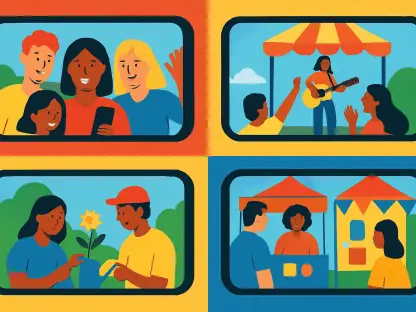
The design philosophy behind the application specifically targets the psychological barriers that often prevent individuals from participating in social gatherings, such as social anxiety or general introversion. By breaking down the process of meeting new people into smaller, manageable actions, the platform reduces the perceived risk of showing up to a new environment. Users are not immediately prompted to RSVP to large-scale parties but are instead encouraged to observe and contribute to a shared map of the city. This incremental strategy acknowledges that the effort required to enter a physical space is significantly higher than that of engaging with a digital post. Consequently, the platform serves as a training ground for social confidence, allowing users to gradually increase their level of involvement at their own pace. This nuance is particularly relevant in the current social climate, where many people find it challenging to transition from online discourse to face-to-face conversation. The focus remains on the psychological comfort of the participant.
The launch of the public beta signaled a move toward a more intentional form of social networking that prioritized physical presence over digital metrics. Stakeholders who sought to revitalize urban engagement found that providing a low-pressure entry point was essential for long-term user retention. Organizations and local event planners utilized these insights to create more accessible gatherings that catered to diverse personality types, ensuring that the community remained inclusive. As the platform expanded, it became clear that the integration of location-based data and social psychology offered a viable solution to the problem of urban loneliness. Moving forward, the focus shifted toward refining the user experience to ensure that the transition from a digital pin to a physical encounter remained seamless. Future developments involved the implementation of more sophisticated filtering tools to help users find specific interest groups more efficiently. By embracing this model, the network provided a blueprint for how technology could successfully foster authentic human connections.