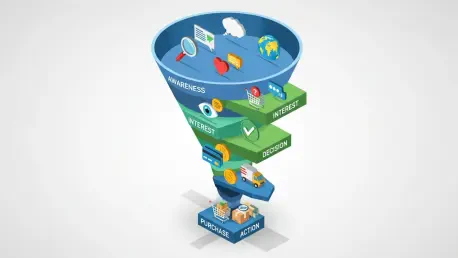

Success in the digital marketplace no longer rests solely on the quality of a product but on the invisible infrastructure that guides a customer from the first click to the final confirmation. In the high-stakes world of online commerce, the difference between a soaring success and a stalled venture often comes down to the efficiency of the sales funnel. As consumer attention spans dwindle, any technical hurdle or unnecessary click can lead to immediate cart abandonment and lost revenue. This article explores how Checkout Champ, a powerful CRM and funnel-building platform, systematically dismantles these barriers. We will examine the specific tools and strategies—ranging from no-code visual builders to lightning-fast checkout experiences—that allow modern merchants to transform their digital storefronts into high-conversion engines.
The modern shopping journey is a delicate sequence of psychological triggers and technical reliability. When a visitor arrives at a landing page, they carry a set of expectations regarding speed and ease of use that were shaped by the world’s largest retail platforms. Consequently, a fragmented experience where the branding shifts or the page takes several seconds to load acts as a signal of unreliability. By leveraging an integrated ecosystem, merchants can ensure that every touchpoint reinforces the value of the offer rather than detracting from it through mechanical friction.
Why Funnel Optimization Defines Success in the Commercial Landscape
Historically, building a sophisticated e-commerce journey required a specialized team of developers and a significant capital investment. However, as the industry evolves, the tech wizard barrier is being dismantled by the democratization of marketing technology. In today’s market, speed and simplicity are the primary drivers of trust and conversion. A slow-loading page or a disjointed payment process is no longer just an inconvenience; it is a fatal flaw. Understanding the technical and psychological shifts in consumer behavior is essential for any merchant looking to professionalize their sales journey and compete with global retail giants.
As we progress through 2026, the cost of customer acquisition continues to rise, making the efficiency of the conversion path more critical than ever before. When a business pays for traffic through advertising, every lost lead represents a direct hit to the bottom line. Therefore, the focus has shifted from merely generating traffic to maximizing the yield of that traffic. A well-optimized funnel acts as a multiplier for every marketing dollar spent, ensuring that the path of least resistance leads directly to a completed transaction.
Step-by-Step Strategies to Maximize Revenue with Checkout Champ
1. Constructing High-Converting Paths with No-Code Funnel Builders
The foundation of a successful funnel is a seamless user interface that guides the customer from discovery to the final transaction without technical glitches. Achieving this balance once required deep knowledge of coding and web architecture, but current tools have shifted the power back into the hands of the brand owners and marketers.
Eliminating the Need for Developers via Visual Drag-and-Drop Editors
The visual editor allows marketers to prioritize messaging and aesthetics over troubleshooting code, ensuring that the brand vision is perfectly reflected on the screen. Instead of waiting weeks for a developer to implement a simple layout change, a merchant can move elements, adjust margins, and swap images in real time. This agility is vital for staying ahead of market trends and responding to customer feedback with immediate adjustments to the storefront.
Moreover, the drag-and-drop environment removes the risk of broken scripts that often plague custom-coded sites. By working within a controlled visual framework, the technical integrity of the page remains intact regardless of how many aesthetic modifications are made. This allows for a focus on the narrative of the sales journey, ensuring that the transition from a product description to a lead capture form is both logical and visually appealing.
Leveraging Professionally Designed Conversion-Ready Templates
Starting with pre-optimized layouts for Video Sales Letters (VSLs) and subscription models ensures that strategic elements like CTA buttons are placed for maximum impact. These templates are not merely aesthetic shells; they are built on years of data regarding where consumers look and how they interact with digital content. By utilizing these blueprints, a business can bypass the expensive trial-and-error phase that usually accompanies new funnel launches.
Furthermore, the variety of available templates allows for a diversified approach to selling. Whether a merchant is launching a high-ticket single item or a recurring monthly service, the structure of the funnel can be tailored to match the specific rhythm of that business model. This level of specialization ensures that the customer experience feels intentional and professional, which is a key component in building long-term brand equity.
Utilizing Funnel Previews to Prevent Mobile Formatting Errors
With the live site surprise eliminated, merchants can guarantee a responsive design that performs flawlessly across smartphones, tablets, and laptops. Mobile traffic now accounts for the majority of online shopping, yet many funnels still suffer from buttons that are too small to click or images that do not scale correctly. The preview functionality allows for rigorous testing across multiple simulated device types before a single customer ever sees the page.
In contrast to the older methods of publishing and then checking on a physical phone, this integrated preview system provides immediate feedback during the design process. It allows for the fine-tuning of padding and font sizes to ensure that the mobile experience is as robust as the desktop one. Consequently, the merchant can be confident that their conversion rates will not suffer due to an unoptimized mobile interface.
2. Boosting Average Order Value through Strategic One-Click Upsells
Capturing additional revenue is most effective at the moment of highest commitment: immediately after the customer provides their initial payment details. This phase of the journey is often underutilized by traditional e-commerce platforms, yet it represents the single greatest opportunity for increasing the profitability of an individual sale.
Capitalizing on Consumer Psychology During the Buying Mindset
By presenting a relevant, premium, or complementary offer before the Thank You page, merchants can increase order value without re-acquiring the customer. This strategy works because the customer has already crossed the threshold of trust and has made the decision to buy. At this peak moment of engagement, they are significantly more likely to consider an add-on that enhances the value of their primary purchase.
However, the relevance of the offer is paramount. A generic suggestion can break the immersion and lead to annoyance, but a carefully selected companion product feels like a helpful recommendation. For instance, offering a protective case immediately after a phone purchase is viewed as a service rather than a sales pitch. This alignment between customer needs and merchant offers is what drives sustainable growth in average order value.
Removing Friction with Secure One-Click Payment Tokenization
The true power of an upsell lies in its simplicity; by removing the need to re-enter credit card information, the transition remains seamless and the buyer’s momentum is maintained. Tokenization technology securely stores the payment data from the initial transaction, allowing the customer to accept an additional offer with a single tap. Every extra step or field to fill out is a point of friction where a customer might reconsider their decision.
Moreover, this technology protects the merchant and the consumer by ensuring that sensitive data is handled according to the highest security standards. Because the customer does not have to reach for their wallet again, the psychological barrier to spending is lowered. This creates a fluid transaction environment where the focus remains on the product benefits rather than the mechanics of the payment process.
Maintaining Brand Trust with Fully Integrated Post-Purchase Pages
Consistent branding throughout the upsell sequence ensures that the customer feels secure and valued, rather than bombarded by third-party offers. Many older systems redirect users to external pages for upsells, which can look suspicious and lead to buyer’s remorse. By keeping the entire experience within the same visual and technical ecosystem, the merchant preserves the integrity of the customer relationship.
Furthermore, the messaging on these pages can be personalized to reflect the specific items already in the cart. This level of detail demonstrates to the customer that the brand is paying attention to their preferences. When the post-purchase journey feels like a natural extension of the initial shop, the likelihood of customer satisfaction and repeat business increases significantly.
3. Engineering a Lightning-Fast Checkout to Prevent Abandonment
Technical performance is a direct driver of conversion, and Checkout Champ optimizes the final steps of the journey to ensure no visitor is lost to latency. The checkout page is the most critical juncture of the funnel, where even a minor delay can result in a lost sale.
Achieving One-Second Load Times with Server-Side Rendering
Utilizing advanced Content Delivery Networks (CDNs) ensures that checkout screens appear instantly, catering to the expectations of modern, impatient shoppers. Server-side rendering moves the heavy lifting of page generation away from the user’s device and onto high-performance servers. This results in a near-instantaneous load time, which is essential for maintaining the buyer’s focus during the final steps of the transaction.
In addition to the speed benefits, this technical approach improves the reliability of the page under heavy traffic conditions. During a major sale or product launch, traditional sites may slow down or crash, but a system built on robust server-side architecture remains stable. This stability ensures that the merchant can capitalize on high-intent traffic without worrying about technical bottlenecks.
Reducing Psychological Load with Single-Page Checkout Infrastructure
Consolidating shipping, billing, and review into a one-screen approach minimizes the steps a user must take, significantly lowering the chance of exit. The traditional multi-step checkout process provides multiple opportunities for a customer to change their mind or get distracted. By presenting all necessary fields on a single, clean interface, the path to completion is clarified and shortened.
Furthermore, a single-page layout provides a clear overview of the entire transaction, which reduces the anxiety some shoppers feel when they are unsure of how many steps remain. This transparency builds confidence and encourages the user to finish the process quickly. When the journey is perceived as easy and transparent, the conversion rate naturally rises.
Providing Convenience for Returning Customers via Stored Profiles
Mirroring the convenience of industry leaders, the system allows returning visitors to complete purchases with a single click, fostering long-term loyalty. When a customer returns to a store and finds that their preferences and shipping details are already remembered, the barrier to a repeat purchase is virtually eliminated. This creates a frictionless loop that rewards the customer for their loyalty with a faster experience.
Moreover, this feature is particularly effective on mobile devices, where typing out long addresses and credit card numbers is often tedious. By offering a stored-profile option, the merchant provides a level of service that rivals the largest marketplaces in the world. This convenience becomes a competitive advantage that keeps customers coming back to the same brand rather than searching for alternatives.
4. Expanding Global Reach through Localized Payment Flexibility
As borders disappear in digital trade, the ability to process international transactions without redirects is a critical competitive advantage. A global audience requires a localized approach to payments to ensure that every visitor feels like the store was built specifically for them.
Preventing Conversion Killers by Avoiding Third-Party Redirects
Keeping the entire transaction on the merchant’s page maintains a professional appearance and prevents the trust-drop often associated with external portals. Many international payment gateways require the user to leave the store to complete their payment on a different site. This break in the user experience is a major cause of cart abandonment, as it can feel jarring and insecure to the customer.
In contrast, an integrated system handles the complexity of global processing behind the scenes while the customer remains on the branded checkout page. This continuity is essential for maintaining high conversion rates in international markets. By controlling the entire environment, the merchant ensures that the brand’s reputation for security and professionalism is upheld throughout the entire world.
Supporting Local Currencies and Dynamic Price Rounding
Displaying prices in familiar, clean numbers across over 100 currencies makes the shopping experience feel local and personalized for every global visitor. Customers are often hesitant to complete a purchase if they have to perform mental math to understand the actual cost in their own currency. Dynamic rounding ensures that the prices are not just accurate but also aesthetically pleasing, avoiding the cluttered look of unrounded conversion rates.
Furthermore, this localization extends beyond just the currency symbol. It includes the adoption of local payment conventions and formatting, which further builds trust with international shoppers. When a customer in Europe or Asia sees their preferred local options and clear pricing, they are far more likely to perceive the brand as a global professional rather than a distant foreign entity.
Diversifying Options with BNPL and Digital Wallet Integrations
From traditional credit cards to Buy Now, Pay Later schemes and cryptocurrency, providing diverse payment methods ensures that no sale is lost due to payment limitations. Modern consumers expect to pay using their preferred method, whether that is a digital wallet like Apple Pay or a flexible financing option. By offering these choices, the merchant removes the final possible barrier to a sale.
Moreover, the integration of BNPL services has been shown to increase order values by allowing customers to spread the cost of larger purchases over time. This flexibility opens the brand’s products to a wider demographic of shoppers who might otherwise hesitate at a high upfront cost. Consequently, diversifying payment options is not just about convenience; it is a strategic tool for expanding the total addressable market.
A Summary of the Checkout Champ Optimization Framework
- Rapid Deployment: Build complex, responsive funnels using modular, no-code elements and templates.
- Revenue Growth: Increase the Average Order Value (AOV) via seamless, one-click post-purchase upsells.
- Technical Excellence: Minimize bounce rates with one-second load speeds and single-page checkout screens.
- Global Scalability: Process international orders effortlessly with support for 270+ payment processors and local currency conversion.
- Seamless Integration: Connect with essential marketing tools like Klaviyo and Mailchimp to automate follow-ups and recover abandoned carts.
Broader Implications for the Future of E-Commerce
The shift toward integrated, high-speed, and mobile-first shopping experiences is no longer an optional upgrade; it is a fundamental requirement for survival. As the digital landscape becomes more saturated, the brands that thrive will be those that view technical performance as a core part of their marketing strategy. The integration of advanced CRM capabilities with front-end funnel building represents a significant leap forward in how businesses manage the entire customer lifecycle.
Furthermore, the expansion of decentralized payment options and the increasing importance of personalized shopping journeys will continue to shape the industry. Merchants who adopted comprehensive ecosystems today positioned themselves to handle these shifts with agility. By focusing on a frictionless experience, businesses created a foundation that is capable of evolving alongside changing consumer preferences and emerging technological standards.
Final Advice for Professionalizing Your Sales Journey
To remain competitive in an increasingly crowded marketplace, merchants must have eliminated every possible point of confusion or delay. The transition toward a more streamlined funnel architecture was a necessary response to the rising expectations of the modern consumer. By utilizing the tools discussed, businesses significantly reduced cart abandonment and increased revenue without necessarily increasing their advertising spend. The focus on technical excellence provided a stable platform for scaling operations across international borders and diverse product lines.
The implementation of one-click upsells and lightning-fast checkout pages transformed the way brands interacted with their customers at the point of sale. Those who took the time to audit their current funnels and replace outdated, multi-step processes with integrated solutions saw a marked improvement in their bottom line. Ultimately, the goal was to stop losing sales to technical friction and to let the quality of the product take center stage. Focusing on the customer experience and optimizing for speed allowed the technology to handle the complexity of the modern retail environment.