
Small businesses frequently face the challenge of explaining complex smart home devices or technical products through text alone when a realistic lifestyle visualization would be far more effective. In the current landscape of 2026, the demand for high-quality, instant visual communication has never been higher, forcing brands to seek more efficient ways to produce professional assets. Grok Imagine has emerged as a vital tool in this creative ecosystem, enabling users to transform abstract concepts into vivid images with unprecedented speed. The shift toward AI-driven imagery is not just about saving money; it is about the ability to keep pace with the rapid-fire nature of digital trends and social media cycles. By utilizing these advanced algorithms, creators can explore vast stylistic territories that were previously restricted by budget. This evolution allows for a democratic approach to design, where the quality of the final output is determined by the strength of creative vision rather than the size of a production crew.
1. Enhancing Social Media Graphics and Product Imagery
To achieve viral success on social media in 2026, content must possess a distinct aesthetic that instantly captures the viewer’s attention during a rapid scroll. Grok Imagine allows creators to experiment with various visual styles for a single subject, ranging from cinematic and moody tones to clean, minimalist layouts or even nostalgic vintage looks. By generating multiple variations of a theme, marketers can identify which specific aesthetic resonates most deeply with their target audience. This process of experimentation is essential because consumer preferences shift rapidly, and what worked last month might fail to gain traction today. The ability to manipulate variables like lighting, color palettes, and texture enables a brand to develop a unique visual voice that stands out against a sea of generic content. High-contrast imagery and clear focal points are particularly effective for mobile platforms, ensuring that the core message remains impactful even on a small handheld screen.
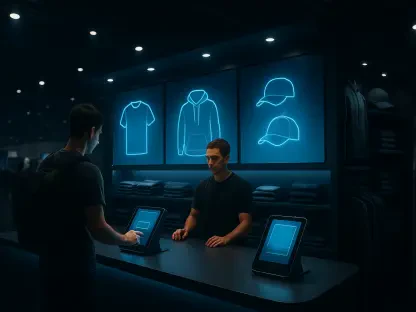
Beyond stylistic flair, placing products within relatable, real-world settings is a key strategy for transforming abstract concepts into persuasive marketing visuals. Instead of relying on sterile, white-background studio shots, brands use generative tools to depict items in environments that evoke specific lifestyles or solutions. This context helps potential customers visualize how a product fits into their own lives, whether it is a coffee machine on a sun-drenched kitchen counter or a piece of software displayed on a sleek office monitor. For small businesses, this capability provides a way to explore dozens of advertising themes without the prohibitive costs of location scouting and professional photography. This level of visual flexibility allows for the rapid creation of seasonal campaigns or targeted ads that speak directly to different demographics. By grounding product imagery in a believable reality, companies can build trust and drive higher conversion rates through authentic storytelling.
2. Implementing Dynamic Motion and Visual Consistency
The integration of motion into static imagery has become a standard requirement for capturing digital engagement in 2026, as video-first algorithms dominate most social platforms. Grok Imagine facilitates this transition by allowing users to generate short, high-impact clips from a single, high-quality picture. By prompting the AI to add subtle movements, such as a gentle camera pan, the rustling of leaves in the background, or a shift in natural lighting, creators can turn a stationary image into an immersive experience. These micro-animations are highly effective because they provide enough visual stimulus to stop a scroll without overwhelming the viewer with chaotic or loud video content. Maintaining a professional feel requires keeping these movements simple and deliberate, ensuring they enhance rather than distract from the main subject. This approach allows even small marketing teams to produce a steady stream of video content that keeps their social media feeds active and engaging.
Consistency is the cornerstone of effective brand storytelling, yet it has historically been difficult to maintain when using AI for multiple image generations. In 2026, sophisticated character and thematic controls allow creators to produce cohesive visuals across an entire series, ensuring that a brand mascot or a digital narrator remains recognizable throughout a campaign. By using detailed descriptions that specify a character’s unique physical traits, clothing styles, and personality-driven poses, users can anchor the AI’s output across various prompts. This world-building capability extends to environmental settings, where a specific color palette or architectural style can be maintained to create a unified thematic universe. Whether developing a series of educational infographics or a long-form digital story, the ability to replicate specific visual cues ensures that the narrative remains steady and professional. This consistency builds a stronger emotional connection with the audience.
3. Evaluating Artistic Directions for Professional Efficiency
Using AI as a brainstorming layer allows creative teams to evaluate multiple artistic paths before committing to expensive production phases. In the pre-visualization stage, Grok Imagine serves as a rapid prototyping tool that can test various color palettes, compositions, and overall moods in a matter of seconds. This helps teams align on a visual vision early in the process, ensuring that the final professional output is based on a concept that has already been visually proven. For instance, a design team can explore whether a futuristic neon aesthetic or a warm organic look better suits a client’s brief before hiring specialized artists or renting equipment. This preliminary exploration reduces the risk of creative misalignment, which often leads to costly revisions and delays. By the time a project reaches the final execution stage, every stakeholder has a clear understanding of the goals, leading to a more efficient and focused production cycle that saves significant time.
This evaluative process also fosters a higher degree of innovation by lowering the stakes for creative experimentation. Designers can push the boundaries of traditional composition without fearing that a failed experiment will drain the project’s resources. In 2026, the most successful creative agencies are those that use generative tools to widen the top of their creative funnel, generating hundreds of unique concepts to find the one truly viral idea. This approach transforms the creative process from a linear path into a dynamic exploration of possibilities. Furthermore, having a library of AI-generated concepts allows for more productive conversations with clients, as they can react to concrete visuals rather than abstract ideas. This transparency leads to better collaboration and ensures that the final product is both artistically sound and strategically aligned with the brand’s objectives. The speed of this feedback loop is a major advantage in a market that demands constant fresh content.
4. Executing the Multi-Stage Optimization Protocol
To achieve the highest quality results, the visual creation process must be treated as a structured series of refinements. The first step in this guide is to begin with a specific creative objective, followed by outlining the main topic and its detailed background to give the AI a clear context. Third, incorporate specific details regarding the intended mood, lighting conditions, and the arrangement of objects within the frame. Once these initial parameters are set, the fourth step is to produce a variety of options to see how the software interprets the instructions across different iterations. This methodical beginning ensures that the base images are as close to the desired outcome as possible, minimizing the amount of corrective work needed later. By being precise with instructions regarding the scale and perspective of the subject, creators can avoid common technical errors and produce imagery that looks professional and intentional from the very first generation attempt.
The second half of the optimization process focuses on identifying and perfecting the most promising outputs through iterative feedback. Step five requires the creator to determine which parts of the generated images are successful and which specific elements require changes or further refinement. Once these flaws are identified, the sixth step is to modify a few specific elements in the text prompt to address those issues directly. Seventh, run the generation process again to produce a new set of images that incorporate the updated details and corrections. Finally, check the finished product thoroughly for any minor glitches or artifacts before sharing it with the public or including it in a professional campaign. This rigorous checking phase ensures that the final visual meets high standards of quality and technical accuracy. Following this comprehensive guide allows for the creation of repeatable systems that consistently produce meaningful and memorable content for any digital platform.
5. Implementing Strategic Visual Systems for Digital Growth
The shift toward integrated AI workflows in 2026 transformed the way businesses approached digital marketing, making high-level production accessible to teams of all sizes. Early adopters of these systems successfully reduced their creative overhead while significantly increasing the volume and quality of their visual output. Organizations that implemented clear protocols for image generation and refinement managed to build stronger, more consistent brand identities that resonated with global audiences. These companies utilized generative tools not just for speed, but as a strategic asset to test new ideas and pivot their messaging in real time. The focus moved away from the technical limitations of traditional photography and toward the strategic power of visual storytelling. By the time these practices became industry standards, the leading brands had already established a massive library of high-impact content that drove engagement and fostered deep customer loyalty across various media.
Effective teams recognized that the most successful strategy involved the long-term sustainability of these creative systems through the development of internal guidelines for visual consistency. Marketing departments invested in building repositories of high-performing prompts and aesthetic styles that aligned with their specific brand voice. Additionally, staff members stayed informed about the latest updates in AI capabilities to take advantage of emerging features like improved texture rendering or enhanced video motion controls. Regularly auditing visual performance through analytics helped creators refine their aesthetic choices and ensured that their content remained relevant to changing audience behaviors. It proved beneficial to conduct cross-departmental training to ensure that everyone from product developers to managers understood the power and limitations of these tools. By fostering a culture of continuous learning and strategic iteration, businesses secured their position at the forefront of the digital economy.