


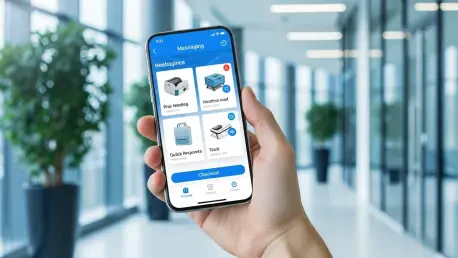

Modern consumers frequently ignore traditional display advertisements in favor of direct communication channels that offer immediate responses and personalized assistance during their shopping journeys. This shift from one-way broadcasting to two-way dialogue represents a fundamental transformation in how brands interact with their target audiences in 2026. Instead of waiting for email replies that may take hours or days, shoppers now expect instantaneous interactions via platforms like WhatsApp, Telegram, or integrated web chat interfaces. These tools have moved beyond simple customer support functions to become vital components of the marketing funnel, driving conversions through real-time product recommendations and tailored promotions. By leveraging conversational messaging, companies successfully bypass the cluttered inbox and reach users in environments where they are already active and comfortable. This approach not only increases the visibility of marketing messages but also fosters a sense of trust and accessibility that traditional digital advertising often lacks in a saturated market.
Leveraging Generative Models for Scalable Interaction
Implementing sophisticated Large Language Models within messaging platforms allows businesses to manage thousands of concurrent conversations without sacrificing the quality of the interaction. These systems analyze user intent and sentiment in real-time, enabling the delivery of highly relevant content that aligns with the specific needs of the customer at that exact moment. For instance, a retail brand using the WhatsApp Business API can automate the entire product discovery process, from initial inquiry to final checkout, while maintaining a human-like tone that resonates with the user. This level of automation ensures that no lead is lost due to response delays, which is a common failure point in traditional lead generation strategies. Furthermore, the integration of back-end inventory systems with conversational interfaces enables the provision of accurate stock levels and delivery estimates directly within the chat window. This seamless experience reduces friction in the buying process and encourages higher average order values by suggesting complementary items based on the ongoing dialogue. Such technical agility has become a prerequisite for staying competitive in a landscape where speed is a primary differentiator for consumer choice.
Strategic Implementation: Transitioning to Dialogue-Based Frameworks
Successful organizations recognized that moving away from intrusive pop-ups toward opt-in messaging required a radical redesign of their data architecture and communication protocols. They prioritized the development of unified customer profiles that synchronized chat history across various touchpoints to ensure a consistent experience. Marketing teams focused on creating conversation starters rather than static slogans, which invited users to engage with the brand on their own terms. This shift involved retraining staff to supervise automated systems and intervene when complex issues arose, ensuring a safety net for high-value interactions. By 2026, the focus shifted toward predictive engagement, where systems anticipated customer needs before they were even articulated. Brands that invested in privacy-first messaging protocols gained a significant advantage as consumers became more cautious about data sharing. Moving forward into the period from 2026 to 2028, the next logical step involved the integration of voice-activated conversational interfaces with traditional text messaging to provide a truly multimodal experience. These actions established a blueprint for sustainable growth by centering the marketing strategy on genuine human connection and immediate utility rather than volume.


