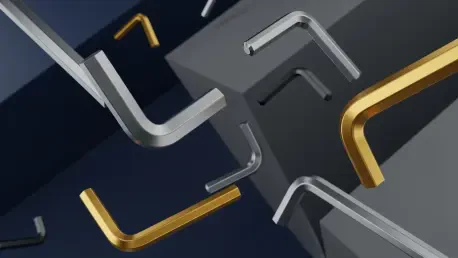

The humble L-shaped hex key has spent decades buried at the bottom of junk drawers, yet it has recently ascended to the pinnacle of streetwear fashion through a calculated maneuver in branded utilitarianism. This transformation marks a significant shift in the retail landscape where functional hardware is no longer viewed merely as a means to an end. Instead, these objects are being reimagined as cultural artifacts that carry deep emotional resonance. Major retail players have recognized that their most recognizable tools possess a form of “brand-owned iconography” that can be leveraged to maintain market dominance and stay relevant in an increasingly crowded consumer mindshare.
From Assembly Tool to Lifestyle Icon: The Evolution of Branded Utilitarianism
The transition from purely functional hardware to fashion-forward accessories highlights a broader trend in global retail where industrial design crosses over into the lifestyle sector. For a brand like IKEA, the Allen key is more than a tool; it is a symbol of the “flat-pack” heritage that defined an entire generation of homeowners. By elevating this utilitarian object, the brand tapped into a collective memory of DIY culture. This move allowed the organization to shift from being a mere provider of home goods to a curator of modern identity, where even the most basic components of assembly are treated with the reverence of a luxury logo.
Maintaining a presence in the cultural zeitgeist requires a brand to look beyond its primary product line and identify secondary assets that possess untapped storytelling potential. The success of this evolution relied on the ability to recognize that consumers often form stronger bonds with the process of creation than with the final product. Consequently, the tool used to build a home became as valuable as the furniture itself. This strategy effectively turned a logistical necessity into a badge of honor, signaling a consumer’s participation in a globally recognized lifestyle movement.
The Convergence of Streetwear Trends and Functional Design
The rise of industrial aesthetics within the fashion world created a fertile ground for the emergence of utility-driven creativity. Gen Z and millennial audiences have shown a distinct preference for “grungy” and raw designs that prioritize authenticity over traditional polish. By turning a steel tool into a necklace, the ALLËNKI campaign capitalized on this appetite for shareable contradictions. The contrast between a mass-produced piece of hardware and a high-fashion accessory provided the perfect amount of friction to spark viral engagement across social platforms.
Reimagining the Mundane through Deadpan Creativity and Industrial Aesthetics
Marketing strategies are increasingly borrowing from the visual language of streetwear to bridge the gap between corporate identity and youth culture. The use of “deadpan creativity”—presenting a functional tool with the same gravity and artistic lighting as a piece of fine jewelry—allowed the brand to engage in a form of self-aware humor. This approach resonated with a demographic that is often skeptical of traditional advertising. By embracing the industrial aesthetic of the Allen key, the brand successfully aligned itself with the “gorpcore” and utilitarian fashion trends that dominate current digital spaces.
Measuring the Success of Cultural Trendjacking and Viral Momentum
Tracking the transition of a product from an April Fool’s joke to a high-demand consumer item provides a unique window into brand health. What began as a playful digital stunt quickly transformed into a legitimate revenue stream as social media sentiment shifted toward genuine desire. Growth projections for these brand-led accessory lines suggest that functional tools will continue to serve as vital engagement streams. This momentum demonstrates that “merch-culture” is no longer just about printing logos on t-shirts; it is about finding the inherent beauty in the functional elements that a brand already owns.
Navigating the Friction Between Practical Utility and Aesthetic Novelty
Pivoting from the furniture sector to the fashion world is not without its logistical and branding challenges. There is a delicate balance to maintain between being perceived as a high-risk innovator and a mere purveyor of gimmicks. To ensure long-term cultural traction, a brand must ensure that its experiments feel like a natural extension of its existing identity. This requires a strategy that values authenticity above short-lived hype, ensuring that the move into fashion reinforces the core brand promise rather than distracting from it.
Intellectual Property and the Standards of Utility-Based Accessories
As industrial tools transition into wearable jewelry, the regulatory landscape becomes significantly more complex. Brands must navigate rigorous product safety and wearable standards that differ greatly from those applied to hardware. Protecting iconic shapes through trademarking is essential in an era of rapid imitation and digital-first launches. Compliance and quality assurance play a critical role in ensuring that a wearable hex key is safe for the skin while maintaining the durability expected of a professional-grade tool.
The Future of Brand Iconography in a Hyper-Digital Marketplace
Emerging technologies such as 3D printing are poised to allow consumers to further customize branded tools, potentially blurring the line between the manufacturer and the creator. This shift suggests that the next wave of emotional storytelling will focus on hyper-local creative agencies that can navigate the nuances of global brand movements. As brands look for “everyday truths” to tap into, the focus will move toward tools and objects that symbolize common human experiences. This evolution will likely lead to a marketplace where every component of a product has the potential to become a standalone lifestyle statement.
Final Assessment: Why the Allen Key is the Blueprint for Modern Brand Movements
The success of the ALLËNKI initiative proved that a deep synergy between function, humor, and storytelling could redefine a brand’s relationship with its audience. Marketers who looked closely at their overlooked business assets found a wealth of untapped creative potential. The campaign demonstrated that utility could be successfully converted into a lifestyle movement when the brand remained grounded in its industrial roots. This strategy offered a clear path for future campaigns to follow, emphasizing that the most powerful marketing tools were often those already sitting at the bottom of a customer’s toolkit. By focusing on the emotional weight of a simple tool, the project managed to bridge the gap between the workshop and the runway. It was ultimately determined that the long-term investment value lay in the ability to turn a mundane object into a cultural icon. High levels of engagement were achieved because the brand leaned into its own heritage while simultaneously poking fun at the seriousness of the fashion industry. This dual approach solidified the brand’s position as a cultural leader capable of driving global conversations through minimal, yet highly effective, design interventions.