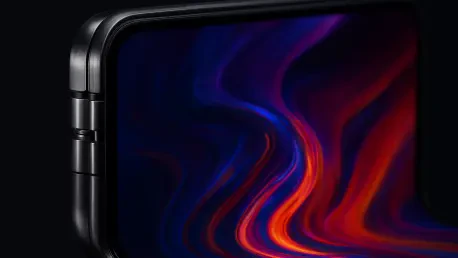

A satirical real-time commentary on social media allowed Samsung to interject its own brand narrative directly into the global conversation surrounding Apple’s hardware reveal. In September 2026, the smartphone industry witnessed a monumental shift when Apple finally entered the foldable market with the iPhone Duo. While the tech world anticipated that Apple’s $1,999 device would completely overshadow existing competitors, Samsung Electronics orchestrated a masterful counter-offensive that turned the spotlight back onto its own innovations. Instead of retreating, the South Korean tech giant leveraged Apple’s high-profile keynote as a global stage to assert its dominance. By moving beyond simple specifications, Samsung positioned itself as the seasoned veteran welcoming a newcomer to a category it had pioneered and perfected over seven years of development. This bold stance successfully reframed the market entry of a rival as a victory for Samsung’s long-term product vision.
The Strategic Shift: Establishing Category Authority
The primary theme identified in Samsung’s response was the transition from traditional product-to-product comparisons to a narrative centered on heritage and category authority. When Apple unveiled the iPhone Duo, Samsung did not merely list technical specifications or hardware benchmarks. Instead, it positioned itself as the established pioneer of the industry. This strategy leveraged the first-mover advantage to frame Apple’s innovation as a validation of Samsung’s original vision from years ago. By doing so, Samsung avoided the common pitfall of appearing threatened by a larger competitor, instead adopting a tone of seasoned confidence that resonated with tech enthusiasts. The narrative shifted from a defensive posture to one of leadership, suggesting that the entry of a major player like Apple served only to confirm that Samsung had been right about the future of mobile design. This established a sense of maturity and reliability within the Galaxy ecosystem.
Samsung’s marketing team recognized that Apple’s entry into the foldable space served as a massive validation of the concept, effectively ending the era where such devices were seen as niche experiments. By highlighting its seven-year journey, Samsung turned the iPhone Duo’s launch into a celebration of its own foresight. This approach allowed the company to maintain its status as the industry leader while the media spotlight was at its brightest, essentially using Apple’s massive advertising budget to bring attention to the foldable category that Samsung still dominates. The company emphasized that while Apple was just starting its journey, Samsung was already iterating on its eighth generation of hardware. This created a clear distinction between a first-generation experiment and a refined, time-tested product line. This strategic positioning ensured that even as curiosity peaked for the new iPhone, the conversation remained anchored to Samsung’s legacy and proven technological expertise.
Capturing the Digital Audience: Real-Time Marketing Tactics
As the Apple keynote unfolded, Samsung Mobile US executed a surgical real-time marketing campaign on social media to interject its messaging into global trending topics. The brand utilized a mix of sharp satire and technical critique to highlight the incremental nature of Apple’s hardware updates, which many critics felt had become stagnant. By mocking the repetitive design of the standard iPhone 18 Pro with the clever hashtag #ItsTimeToSwitch, Samsung successfully planted seeds of doubt among consumers who were expecting more significant innovation from the Cupertino-based giant. This tactic was not just about humor; it was a calculated attempt to disrupt the polished narrative of the Apple event. By engaging directly with the live audience, Samsung managed to capture a significant share of the digital voice, ensuring that every time a user searched for news on the new iPhone, they were also greeted with Samsung’s witty and provocative counter-messaging throughout the entire day.
The digital campaign reached its peak with the “reheated leftovers” narrative, which quickly became a viral sensation across multiple platforms. When the iPhone Duo was officially revealed, Samsung’s social media team characterized the device not as a breakthrough, but as an adaptation of technology that Samsung had already matured through multiple generations of the Galaxy Z series. Using meta-humor and pop-culture references, such as comparing Apple’s minor updates to a “Sims sequel” or mocking the minimalist packaging, Samsung transformed a corporate rivalry into a relatable and entertaining social media event. This specific approach resonated deeply with younger, tech-savvy audiences who appreciate authenticity and brand personality over traditional corporate speak. By using humor to diminish the novelty of the competitor’s hardware, Samsung reinforced the idea that being first matters just as much as being popular, effectively positioning the iPhone Duo as a follower rather than a true leader.
Global Localization: Creating Cultural Resonance
Samsung’s strategy was not limited to a single market; it was a sophisticated, multi-regional effort that adapted to local cultures while maintaining a unified message of global superiority. In Canada, the brand used viral audio clips and Instagram trends to suggest that Apple’s new design was merely a form of flattery through imitation, using relatable humor to reach a broad demographic. Meanwhile, in the Philippines, the messaging focused on a longevity narrative, reminding consumers of Samsung’s extensive head start in research and development compared to Apple’s first-generation attempt. This localized approach ensured that the message did not feel like a generic corporate press release. By tailoring the content to fit the specific social media habits and cultural nuances of different regions, Samsung managed to build a global consensus that it remained the authority on foldable technology, regardless of which new players entered the arena during this high-stakes cycle.
Creative tactics in other regions further solidified this global presence and helped the brand maintain its dominance. In Romania, the brand successfully utilized Gen-Z slang and localized memes to appeal to younger demographics who are increasingly looking for devices that reflect their personal style and status. In contrast, Samsung New Zealand employed a more direct approach by using a parody of the competition’s leadership to redirect the spotlight back toward the unique features of the Galaxy Z Fold and Flip series. These diverse localized efforts ensured that the campaign felt organic and authentic to specific audiences worldwide, rather than a forced global directive. By speaking the local language of each market and engaging with community-specific trends, Samsung reinforced the idea that it was the global incumbent leader in the foldable space. This strategy ensured that the brand remained relevant across various cultures, even as the global media focus was momentarily diverted elsewhere.
Strategic Visibility: Billboards and Brand Synergy
To complement the fast-paced and often ephemeral nature of social media, Samsung deployed a series of proactive outdoor advertising campaigns in major global hubs such as Seoul, London, and Tokyo. Large-scale, high-impact billboards highlighting “The World’s Lightest Fold” provided a persistent and physical counter-narrative to Apple’s digital keynote event. This physical presence served as a constant reminder of Samsung’s technical milestones and its commitment to engineering excellence. By placing these advertisements in premium high-traffic areas, Samsung ensured that it remained visible to high-spending consumers who make their purchasing decisions based on both status and performance. These physical installations acted as a stable anchor for the brand, reinforcing its technical specifications in a way that social media posts cannot. This multi-channel approach created a sense of omnipresence, making it difficult for consumers to ignore Samsung’s established leadership in the foldable category.
The marketing triumph was further amplified through clever brand-to-brand interactions that expanded Samsung’s reach far beyond the traditional tech community. When popular apps like Duolingo commented on the name “Duo” used by the competitor, Samsung’s playful response about being “copied” fostered a sense of community-driven mockery that felt organic rather than manufactured. This interaction allowed the campaign to proliferate through massive organic sharing, significantly reducing the need for traditional paid impressions while increasing the brand’s cool factor. By engaging with other major brands and using a blend of high-brow professional advertising and low-brow social media wit, Samsung successfully reframed the entire industry narrative to its own advantage. This synergy demonstrated that Samsung was not just a hardware manufacturer, but a culturally relevant brand that understands how to navigate the modern digital landscape. These interactions helped humanize the brand while simultaneously reinforcing its competitive edge.
Market Validation: Turning Competition into Growth
Ultimately, Apple’s entry into the foldable market provided Samsung with a unique advantage by legitimizing the entire category for the mainstream public. Samsung’s marketing team recognized that they no longer needed to prove that foldable phones were a viable choice, as the competition had effectively done that work for them. Instead, they focused entirely on convincing the world that Samsung remained the original and superior option. This agile, culturally competent, and thematically consistent campaign ensured that Samsung stayed at the center of the conversation throughout the entire launch cycle. The strategy successfully leveraged the media attention surrounding the iPhone Duo to highlight the maturity of the Galaxy Z series. By the time the hype around the keynote settled, Samsung had firmly established itself as the veteran leader. This masterclass in positioning proved that first-mover advantage can withstand even significant competition.
Looking ahead, the industry must prepare for a shift where hardware specs are no longer the sole decider of dominance. Samsung’s response demonstrated that narrative control and cultural relevance are just as critical as screen technology. To sustain this momentum, the company began focusing on deeper ecosystem integration and software optimization that the newer competition has yet to master. The campaign served as a blueprint for how established brands can protect their territory by embracing competition rather than fearing it. Future marketing efforts prioritized these direct, real-time engagements to keep consumers focused on long-term reliability over short-term novelty. By turning a potential threat into a global testimonial for its own innovation, Samsung secured its place at the forefront of the mobile future. The lessons learned from this cycle showed that maintaining leadership requires a blend of technical excellence and a fearless approach to brand storytelling.