
The digital landscape is no longer a collection of isolated social platforms but a unified, creator-driven marketplace where attention is the most valuable currency. The fastest-growing segment of the market involves brands hiring creators purely for their production skills rather than their existing social media following. This transformation indicates that the creator economy has moved far beyond the realm of simple product endorsements to become a fundamental engine of modern commerce. As traditional advertising methods see diminishing returns, corporations are increasingly looking toward the nimble and culturally relevant output that independent creators provide. This sector is currently projected to reach a massive $178 billion valuation by 2030, marking a shift where creators function as end-to-end media channels. The institutionalization of this field means that marketing departments are no longer treating influencer partnerships as experimental projects but as essential components of their yearly strategy.
Market Expansion: The Move to Media-Led Spending
How Are Growth Drivers Evolving?
The current expansion of the creator economy is significantly outstripping the growth of the broader global advertising market, with an estimated 15% increase in spending realized this year alone. This surge is largely attributed to the evolving way brands allocate their financial resources to capture attention in saturated digital environments. As the total market value climbs toward $116 billion in 2026, the strategy is shifting from organic engagement to a more structured, paid approach. Marketers have recognized that relying solely on a creator’s native followers is no longer sufficient to guarantee the reach required for large-scale campaigns. Consequently, the industry is witnessing a massive influx of capital into systems that treat creator content as the primary creative asset for broader distribution networks. This transition reflects a deeper understanding of how modern consumers interact with digital media, where the lines between personal entertainment and commercial messaging have become almost entirely blurred.
Why Is Media-Led Spending Dominant?
Media-led spending has now emerged as the dominant force within the sector, accounting for approximately $52 billion of the total market share in 2026. This model involves brands putting significant paid advertising dollars behind creator-produced content to amplify its visibility across various platforms. This move is a direct response to the unpredictable nature of social media algorithms, which frequently suppress organic reach in favor of paid promotions. By utilizing creator content as an advertisement, brands can maintain the appearance of authenticity while ensuring that their message hits specific demographic targets with surgical precision. This approach effectively bypasses the psychological barriers consumers often have against high-production, glossy television commercials, which can feel disconnected from their daily lives. Instead, the raw and relatable aesthetic of a creator-led video feels more like a recommendation from a peer, even when it is explicitly labeled as a sponsored promotion.
Strategic Shifts: Production and Long-Term Value
Can Creators Replace Traditional Agencies?
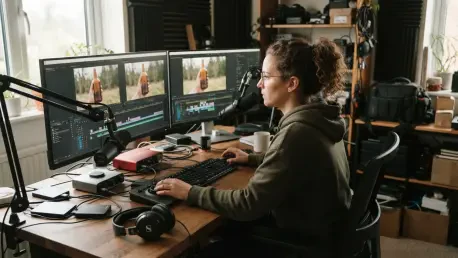
One of the most significant shifts in the industry is the rise of asset-led spending, where creators are essentially functioning as high-efficiency production studios. In this capacity, brands hire creators for their unique visual styles and storytelling abilities rather than their personal social media reach. The resulting content is often used on the brand’s own official websites, social media handles, or even in traditional out-of-home advertising displays. This trend is a major disruptor for traditional creative agencies, which typically operate with much higher overhead costs and longer production timelines. Creators, by contrast, possess the agility to produce high-quality video and imagery that feels contemporary and relevant to current internet trends. Because these individuals act as directors, editors, and talent all at once, they offer a value proposition that is difficult for larger firms to match. This evolution turns the creator into a versatile contractor who provides high-value creative assets at scale.
How to Maintain Authenticity Through Evolution?
The evolution of the creator economy demonstrates that the most effective marketing strategies prioritize genuine human connection over traditional corporate polish. To navigate the competitive landscape successfully, organizations should focus on developing long-term partnerships with creators who share their core values rather than chasing temporary viral moments. Decision-makers are encouraged to invest in robust measurement tools that move beyond simple engagement metrics to track actual business outcomes. It has become clear that diversifying content across multiple formats and platforms is the only way to mitigate the risks associated with changing algorithms. Moving forward, brands must ensure that they are treating creators as strategic partners and production experts rather than just distribution channels. This approach requires a shift in mindset from control to collaboration, allowing the unique voice of the creator to shine through while maintaining brand integrity. By focusing on these actionable steps, the industry can successfully transition into a period of sustainable, high-impact institutional relevance.