
The thunderous roar of high-performance engines echoing across the asphalt at Daytona International Speedway serves as a persistent reminder that Florida remains the undisputed epicenter of American motorsports. While the speed on the track captures the initial headlines, the battle for consumer attention often takes place behind the scenes within the sprawling paddocks and fan zones that define the modern race day experience. Organizers and racing teams have recognized that the sheer quality of the physical environment is what truly differentiates a world-class event from a standard competition. This realization has fueled a massive investment in branded infrastructure, where customized structures are no longer viewed as optional luxuries but as critical components of a comprehensive marketing strategy. As the industry moves forward, the focus has shifted toward creating high-fidelity touchpoints that reflect the engineering precision of the cars themselves, ensuring that every spectator interaction is framed by professional, high-impact branding that resonates long after the flag.
Enhancing Spectator Engagement and Visual Impact
Immersive Activation Zones: Beyond the Grandstands
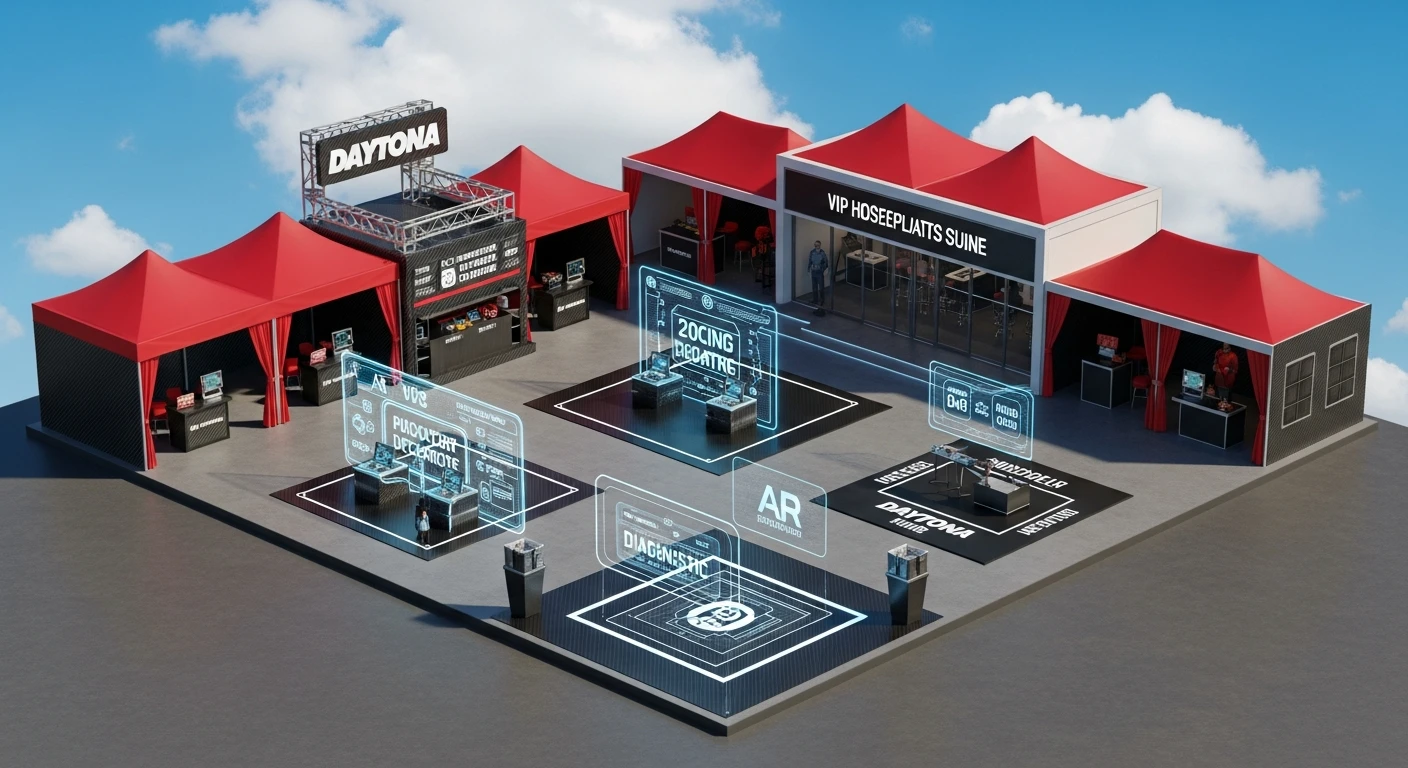
The modern motorsports fan expects a level of engagement that extends far beyond a simple seat in the grandstands, seeking instead a multi-sensory connection with the teams and technologies they admire. In response to this demand, event organizers have pivoted toward the creation of immersive activation zones that serve as the primary destination for attendees during the long hours between race heats. These zones are meticulously designed to facilitate a deeper bond between the brand and the consumer, offering everything from tactile product demonstrations to virtual reality simulations of the driving experience. By utilizing high-end branded enclosures, companies can create a controlled environment where the noise and chaos of the track are momentarily replaced by a focused brand narrative. This transition from passive viewing to active participation is essential for retaining the interest of younger demographics who prioritize experiences over traditional spectatorship, effectively turning a race into a full-scale lifestyle event.
To maximize the effectiveness of these activation zones, strategic layout and spatial design have become paramount, ensuring that foot traffic is guided naturally through various brand stories and interactive stations. These areas often feature custom-branded flooring, specialized lighting, and modular furniture that transform a temporary outdoor space into a professional showroom capable of rivaling any permanent dealership. When fans enter these environments, they are not just looking at a car; they are participating in a curated journey that highlights the engineering excellence and corporate values of the sponsor. Direct interaction with mechanics and drivers within these branded spaces adds a layer of authenticity that is impossible to replicate through digital advertising alone. By providing these high-value touchpoints, organizers are able to justify premium ticket prices and build a sense of community that encourages fans to return season after season, cementing the event’s status as a must-visit destination.
Functional Utility: Weather Protection and Branding
The unpredictable nature of Florida weather, characterized by intense midday sun and sudden tropical downpours, makes the functional utility of high-quality canopies an absolute necessity for any professional racing team. A robust 10×20 custom-branded tent provides more than just a place to stand; it offers a critical sanctuary that allows fan engagement and commercial operations to continue uninterrupted regardless of the atmospheric conditions. These structures serve as the backbone of the paddock, housing sensitive diagnostic equipment and providing a sheltered workspace for technicians who must perform under extreme pressure. Beyond their primary role as a shelter, these canopies act as massive, high-impact billboards that dominate the visual horizon of the racetrack. Because they are positioned at eye level and often feature vibrant, full-bleed graphics, they ensure that a brand remains visible even in a crowded environment where thousands of competing visual stimuli are vying for the spectator’s attention.
Consistency in branding across different racing venues is a hallmark of professional-grade operations, and custom infrastructure allows teams to maintain a unified aesthetic from Daytona to Sebring and beyond. High-grade materials such as heavy-duty aluminum frames and UV-resistant fabrics are essential for withstanding the rigors of the Florida climate, ensuring that the infrastructure remains pristine and professional throughout the duration of a multi-day event. When a sponsor invests in a premium setup, they are signaling to the public and potential partners that they are a stable, well-funded, and serious player in the competitive world of motorsports. A sagging or faded tent can inadvertently damage a brand’s reputation, suggesting a lack of attention to detail that fans might then associate with the team’s performance on the track. Therefore, the selection of top-tier materials and printing techniques is a strategic decision that directly influences brand equity, helping to establish a dominant presence.
Commercial Logistics and Future Digital Synergy
Operational Efficiency: Retail and Hospitality Solutions
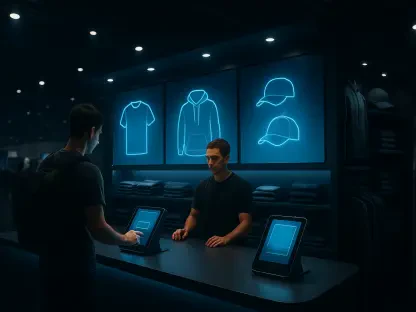
Beyond the immediate goal of brand visibility, custom infrastructure plays a vital role in the logistical success of mobile retail operations, providing a secure and professional environment for merchandise sales. The rise of trackside commerce has necessitated the development of sophisticated point-of-sale structures that can be rapidly deployed and reorganized to suit the specific needs of each venue. These branded retail tents offer a structured layout that protects valuable inventory from the elements while creating an inviting atmosphere that encourages fans to browse and purchase official gear. By integrating internal branding elements such as custom counters and display racks, teams can replicate the experience of a high-end boutique in the middle of a dusty racetrack paddock. This professionalization of the retail environment not only boosts immediate sales but also enhances the overall perception of the brand, making official merchandise feel like a premium souvenir rather than a mere commodity.
The evolution of corporate hospitality has further expanded the requirements for branded infrastructure, with a growing emphasis on creating exclusive VIP spaces that cater to high-net-worth individuals and corporate partners. These specialized suites offer a quiet and comfortable retreat from the intense noise and heat of the track, providing the perfect setting for networking and high-stakes business negotiations. Custom-branded hospitality tents are often outfitted with climate control, premium catering facilities, and high-definition screens that allow guests to follow the race in luxury while remaining immersed in the sponsor’s brand environment. These areas are essential for fostering long-term business-to-business relationships, as they provide a dedicated space where company executives can host clients in a setting that reflects their corporate identity and professional standards. By offering these premium experiences, sponsors can demonstrate their commitment to excellence and provide a level of service that differentiates them.
Long-term Growth: Social Media and Tech Integration
In a world where digital presence is as significant as physical reality, the visual appeal of trackside infrastructure has become a primary driver of social media amplification and organic brand reach. Branded tents and activation zones are now intentionally designed to serve as photogenic backdrops, encouraging fans to capture and share their experiences with a global audience of millions. When a spectator posts a high-quality photograph of themselves standing in front of a sleek, professional vehicle display, they are providing the brand with an authentic endorsement that traditional advertising cannot buy. This user-generated content extends the brand’s footprint far beyond the physical confines of the Florida racetrack, reaching potential customers who may have never attended a live race. By strategically placing logos and hashtags on the most attractive parts of the infrastructure, teams ensure that their brand remains the focal point of every social share, effectively turning every attendee into a voluntary brand ambassador.
Looking toward the continued evolution of the industry, the integration of augmented reality and interactive digital layers into physical structures represented a significant leap in how fans engaged with the sport. Teams that prioritized the development of smart infrastructure allowed visitors to scan codes on branded canopies to unlock exclusive content, such as live driver telemetry or historical data, creating a seamless bridge between the physical and virtual worlds. This technological synergy ensured that the investment in high-quality physical environments remained relevant in an increasingly digital landscape, providing a foundation for ongoing innovation in fan experiences. The most successful organizations recognized that their trackside presence was a physical manifestation of their brand’s future, leading them to adopt infrastructure solutions that combined durability with cutting-edge design. By focusing on professional presentation and immersive technology, these leaders solidified their position within the Florida racing community and successfully prepared their brands for the next generation.