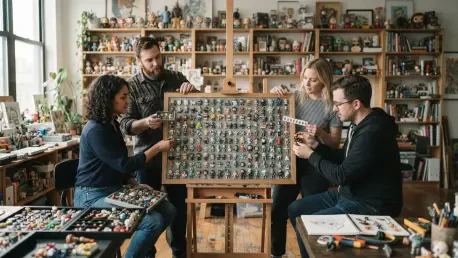

By offering eight collectible magnets in their Dipping Box, Jack in the Box utilizes the “Avengers assemble” motif to foster a hunt mentality among modern franchise enthusiasts. This strategy serves as a harbinger of the broader promotional wave surrounding the cinematic debut of Avengers: Doomsday, a film that has fundamentally shifted how corporate entities approach high-budget film partnerships. Instead of merely slapping a logo onto a cup or a billboard, companies are now weaving the film’s complex narrative fibers into the very fabric of their consumer interactions. This shift represents a transition from awareness-based advertising to experiential immersion, where the lines between the fictional Marvel Cinematic Universe and the physical marketplace become increasingly blurred. The goal for Marvel Studios and its partners is to create a commercial multiverse that rewards active participation. By transforming the moviegoing experience into a series of interactive challenges and tangible rewards, these brands ensure that the hype remains sustainable long after the credits roll on opening night.
Transforming Food and Beverage into Events
The food and beverage industry has taken the lead in this revolution by treating every meal as a thematic event rather than a simple transaction. KFC has launched a particularly aggressive global campaign, introducing a Doctor Doom-themed menu across 100 different countries. This initiative is designed to make the film’s antagonist a pervasive presence in the daily lives of diners, utilizing specialized packaging and unique menu items that evoke the character’s imposing aesthetic. By turning the act of eating into an encounter with a cinematic villain, KFC moves beyond the standard movie tie-in and into the realm of environmental storytelling. This approach capitalizes on the curiosity of the fanbase, encouraging them to seek out these limited-edition offerings as a way to engage with the film’s lore outside of the theater. The sheer scale of this rollout demonstrates the confidence major fast-food players have in the ability of the Marvel IP to drive foot traffic across diverse international markets and varying demographic groups.
Building on this trend of character-specific marketing, Dunkin’ has leveraged the star power of the cast to anchor its latest promotional push. By featuring six themed beverages inspired by Gambit’s persona, the brand has created a localized buzz that extends into high-profile restaurant takeovers in major metropolitan hubs like Los Angeles and New York. This localized approach allows the brand to feel like a destination for fans, rather than just a stop on their morning commute. In contrast, other players in the packaged goods sector, such as Pop Secret, are focusing on the transactional connection between home consumption and the theatrical experience. By offering direct movie ticket rewards for the purchase of qualifying popcorn products, they create a literal path for the consumer from the grocery store aisle to the cinema seat. These strategies show a clear understanding that modern audiences demand a multilayered value proposition where their loyalty to a franchise is rewarded with practical, high-value incentives that enhance their lifestyle.
Immersive Social and Experiential Marketing Strategies
The shift toward social and experiential marketing is perhaps most evident in the way spirits brands are now positioning themselves as essential components of the cinematic journey. Smirnoff’s “Assemble Your Night” campaign is a prime example of how a brand can align itself with the social atmosphere of a major film release. By offering thousands of Fandango tickets and hosting a series of exclusive, secret parties, the brand elevates the film from a solitary viewing experience to a communal cultural event. This strategy prioritizes the occasion surrounding the movie, ensuring that the brand is present during the moments of social excitement and post-film discussion. It moves the conversation away from the product itself and toward the lifestyle that the product facilitates. By creating these exclusive environments, Smirnoff taps into the fan’s desire for belonging and status within the community, making the brand an indispensable part of their social itinerary. This demonstrates a sophisticated understanding of how experiential rewards can drive brand affinity more effectively than traditional digital impressions.
Taking the concept of immersion a step further, physical entertainment venues are rebranding themselves to mirror the stakes of the cinematic narrative. Dave & Buster’s has introduced the “Doom & Buster’s” concept, where the arcade’s atmosphere and gameplay are physically altered to reflect the presence of the film’s primary antagonist. This level of integration transforms the venue into a real-world extension of the Marvel Cinematic Universe, allowing fans to feel as though they are interacting with the story in a tangible way. Rather than simply placing digital advertisements on the game screens, the brand has woven the villainous theme into the core mechanics of the arcade experience. This ensures that the promotion is seen not as an intrusion, but as a value-added feature that enhances the existing product. By deepening the fan’s engagement through these physical takeovers, brands like Dave & Buster’s are able to capture the attention of a captive audience that is already looking for entertainment. This strategy proves that when a brand offers a unique, character-aligned experience, it can foster a deeper emotional connection with its consumer base.
Narrative Integration in Mobility and Retail
The automotive sector has also found a unique way to participate in this marketing evolution by focusing on high-level narrative alignment and world-building. Jeep’s campaign, titled “A Jeep 4×4 for Any Universe,” serves as a culmination of a long-term partnership that integrates their vehicles into the fictional terrains of the Avengers, Fantastic Four, and X-Men. By positioning their SUVs as the primary mode of transportation across different dimensions of the multiverse, Jeep demonstrates the versatility and adventurous spirit of its fleet in a way that feels organic to the film’s epic scale. This approach moves beyond traditional product placement by making the vehicle a functional part of the lore. Fans are no longer just seeing a car on screen; they are seeing a tool that characters use to navigate complex, otherworldly environments. This creative storytelling allows the brand to highlight specific technical features, such as off-road capability and durability, without relying on technical jargon that might alienate a casual viewer. It effectively uses the film’s narrative stakes to validate the brand’s core identity as a leader in adventure and exploration.
While automotive brands focus on narrative scale, mobility platforms and retail giants are finding success through practical utility and high-fidelity collectibility. In markets like Malaysia, Grab has integrated the film into the daily commute by offering ticket rewards and significant discounts for group rides, reinforcing the idea that the Avengers experience is best shared with others. This turns a routine necessity into a gateway for entertainment, creating a seamless connection between a user’s digital app behavior and their real-world leisure activities. Simultaneously, the retail sector continues to see massive engagement through products like Hasbro’s Marvel Legends line. These action figures cater to the core collector market, offering a level of detail and craftsmanship that turns cinematic characters into standalone objects of value. Unlike promotional items that are discarded after use, these figures represent a long-term investment for fans. This highlights the inherent marketability of Marvel’s character designs, which are specifically crafted to translate into physical merchandise. By providing fans with high-quality physical representations of their favorite heroes, Hasbro maintains a constant brand presence in the consumer’s personal space.
Key Insights for Future Brand Collaborations
Analyzing the aggregation of these diverse campaigns reveals that the most successful brand partnerships in the modern era prioritize engagement over mere awareness. By providing fans with a specific task, such as completing a collection of magnets or attending a secret location, brands create a reason to act that goes far beyond the impact of a standard advertisement. This gamification of the consumer experience ensures that the brand is not just seen, but actively utilized as part of a goal-oriented activity. Furthermore, the promotional tool used must match the product category to maintain a sense of authenticity. Food brands thrived when they focused on variety and collectibility, while lifestyle brands found their footing through high-concept storytelling. The lesson for future marketers is that a one-size-fits-all approach is no longer effective in a landscape where consumers are bombarded with content. The most impactful collaborations were those that maintained the host brand’s unique identity while seamlessly integrating the film’s theme. This balance allowed brands to leverage the hype of the film without losing their own voice in the crowded marketplace.
The promotional cycle for this film demonstrated that the multiverse concept functioned as a highly effective commercial framework, allowing disparate brands to coexist within a shared cultural moment. By synthesizing sectors from mobility to spirits, the campaign created a crossover that mirrored the film’s own narrative structure. Moving forward, marketing leaders should consider how to develop character-aligned experiences that resonate with specific audience demographics rather than aiming for broad, generic appeal. The success of these initiatives suggested that the future of brand partnerships lies in offering tangible interaction that fits naturally into the consumer’s existing lifestyle. Stakeholders found that when the product and the story became inseparable, brand loyalty increased significantly. As the industry looks toward future blockbusters, the actionable takeaway is the necessity of creating a two-way conversation with the fanbase. By inviting the audience to become part of the assembly through interactive rewards and immersive environments, brands secured their place in the cultural zeitgeist. These developments paved the way for a new era of cinematic marketing where every purchase is an entry point into a larger, more engaging story.