


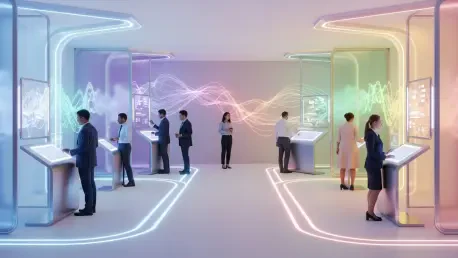

Traditional trade show floor models that rely on static displays and passive observation are rapidly becoming relics of a marketing philosophy that no longer resonates with modern decision-makers. Today, the experiential expo serves as a high-stakes arena where brands must move beyond mere visibility to foster genuine emotional resonance through immersive storytelling. Visitors are no longer satisfied with gathering brochures or watching looped video presentations on high-definition screens; instead, they demand environments that challenge their perceptions and invite active participation. This shift necessitates a complete overhaul of booth architecture, moving away from rectangular barriers toward open-concept landscapes that encourage fluid movement and multi-sensory discovery. By prioritizing the quality of the interaction over the volume of foot traffic, companies can establish deep-seated connections that persist long after the event concludes, effectively turning a physical presence into a lasting digital and emotional footprint.
The Mechanics: Spatial Design and Interactive Technology
Implementing advanced technologies like extended reality and haptic feedback systems allows exhibitors to bridge the gap between abstract corporate values and tangible user experiences. For instance, a logistics company might use a synchronized augmented reality overlay to let attendees visualize global supply chain routes in real-time, effectively making invisible data points visible and interactive. These installations do more than just entertain; they serve as cognitive anchors that help participants retain complex information through physical engagement. When a person uses their hands to manipulate a 3D model or navigates a digital twin of a manufacturing facility, the brain processes that information more deeply than it would during a traditional sales pitch. The integration of spatial audio also plays a critical role, creating localized sound zones that isolate conversations and minimize the chaotic noise typical of large convention halls, thereby fostering a more intimate and focused environment for high-value business discussions.
Brand leaders viewed their exhibition strategy as an ongoing narrative loop rather than a series of isolated appearances. To capitalize on the momentum of experiential engagements, organizations integrated their physical booth data into their broader customer relationship management systems. This ensured that follow-up communications remained highly personalized, referencing the specific modules or technologies the attendee explored during the show. Additionally, businesses invested in modular booth components that were repurposed across different regional markets, maintaining a consistent sensory identity while allowing for local cultural adaptations. Staff training proved vital, as the role of the booth representative shifted from a presenter to a facilitator of experiences. By focusing on creating a seamless transition from the physical environment to a sustained digital dialogue, brands ensured their presence delivered measurable returns. The shift toward experience was a fundamental reassessment of how professional relationships were forged in a physical space.


