
The traditional foundations of the advertising industry are currently being dismantled by a generation that views the digital world not as a separate tool, but as an organic extension of their physical existence. Generation Z, a demographic defined by its innate digital fluency and an ingrained skepticism toward polished corporate messaging, has effectively forced a pivot from legacy broadcasting models to a more holistic, culture-led engagement strategy. In the current landscape of 2026, brands no longer have the luxury of simply buying attention; they must earn it by navigating a complex ecosystem where community behavior and platform-specific trends dictate the lifespan of a campaign. This shift represents a fundamental move away from the “interruption” style of marketing, where an ad breaks into a user’s experience, toward a “participation” model where the brand becomes an active, value-adding member of a digital community.
Successful engagement now requires brands to act as facilitators of culture rather than mere narrators or observers of it. Whether analyzing the K-pop-saturated markets of Asia or the rapid-fire viral cycles of TikTok in the West, the common denominator for any high-performing campaign is its ability to prioritize authenticity over production value. This generation possesses a highly tuned “cringe” filter, capable of identifying disingenuous sales pitches within seconds of exposure. To bypass this barrier, marketers are moving beyond channel-based silos and are instead focusing on how content travels across global and regional networks. The goal is no longer to reach the largest possible audience through a single message, but to spark a localized, organic conversation that the audience feels compelled to carry forward.
Cultivating Community through Fandom and Participation
The Power of Fandom and Social Integration
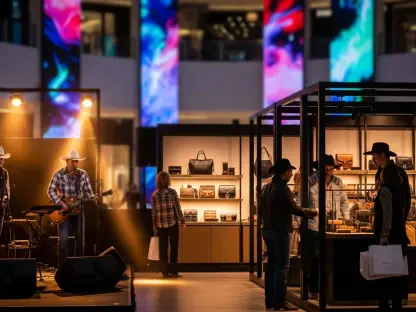
The strategic integration of global fandoms, particularly those surrounding K-pop culture, has become a cornerstone of modern brand strategy. This approach transcends the outdated model of celebrity endorsement, where a famous face simply held a product for a photoshoot. Instead, brands like Ray-Ban and Indomie are now leveraging the pre-existing infrastructure of “fandom culture,” where audiences are already highly organized and primed to share, remix, and celebrate any content associated with their idols. For instance, when Ray-Ban incorporated specific K-pop choreography and styling into its Seoul-based activations, it moved away from being a utilitarian eyewear manufacturer and repositioned itself as a vital component of a specific “aesthetic.” The product becomes a badge of membership within a cultural movement, making the marketing feel less like a transaction and more like a contribution to the fan experience.
This phenomenon is equally visible in the FMCG sector, where brands like Colgate have partnered with icons such as IU to transform functional household items into lifestyle aspirations. By aligning a basic necessity like oral care with the visual language of high-end beauty and curated social media feeds, the brand taps into the Gen Z desire for an “Instagrammable” life. This strategy bridges the gap between legacy brand familiarity and the modern requirement for cultural coolness. It relies on the understanding that for this demographic, the act of purchasing is often an act of identity signaling. When a brand successfully aligns itself with a powerful fandom, it gains access to an organic distribution network that is far more effective and credible than any paid media placement could ever hope to be in the current market.
The Architecture of User Participation
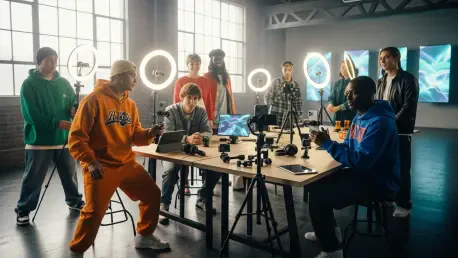
In the present digital environment, a campaign’s success is measured by its “remixability” rather than its initial reach. The most effective social-first strategies treat the audience as creative partners, providing them with the tools and permission to take ownership of the brand’s narrative. This is perfectly exemplified by the rise of custom audio challenges on platforms like TikTok, where a brand provides a specific sound or visual hook and then steps back to let the community innovate. By moving away from top-down control, companies allow for a level of organic growth that feels earned rather than forced. This participatory architecture ensures that the content remains relevant because it is being constantly updated and recontextualized by the users themselves, keeping the brand at the center of the cultural conversation without it feeling like an intrusion.
The value of community validation over brand control is further illustrated by instances of “accidental” viral success, such as the widespread fascination with the durability of Stanley tumblers. When the community takes the lead in storytelling—such as documenting a product surviving a car fire—the brand’s most effective move is to listen and lean into that established narrative rather than trying to steer it back to a corporate script. This shift acknowledges that Gen Z trusts their peers more than they trust any marketing department. By creating spaces for participation, such as digital scavenger hunts or interactive storytelling modules, brands foster a sense of belonging. The audience is no longer just a group of consumers; they are stakeholders in the brand’s cultural footprint, often defending and promoting the brand with a level of passion that traditional advertising could never achieve.
Aligning with Identity, Values, and Authenticity
Prioritizing Purpose and Vulnerability
A significant portion of Gen Z’s purchasing power is directed toward brands that demonstrate a genuine alignment with social values, mental health awareness, and environmental sustainability. The era of “aspirational perfection,” which dominated the beauty and fashion industries for decades, has been largely replaced by a demand for raw authenticity and emotional honesty. Campaigns from brands like Rare Beauty succeed specifically because they reject the filtered, untouchable imagery of the past in favor of discussing psychological struggles and the realities of self-discovery. This approach resonates with a generation that has grown up in an era of unprecedented global challenges and values vulnerability as a form of strength. When a brand acknowledges the internal journey of its consumers, it builds a foundation of trust that is remarkably resilient to market fluctuations.
This focus on purpose extends into the realm of sustainability, where long-term commitments are now prioritized over short-term sales cycles. Modern messaging, such as Levi’s “Buy Better, Wear Longer” initiative, reflects a shift in tone that prioritizes the planet over mindless consumption. For Gen Z, a brand’s stance on climate change or social justice is not just a PR checkbox but a core component of the product’s value proposition. They are looking for companies that act as responsible citizens, and they are quick to hold them accountable if their actions do not match their rhetoric. By framing success as a personal and collective journey rather than a finish line or a podium, brands are able to connect with the intrinsic motivations of their audience. This creates a deeper, values-based loyalty that persists even when cheaper or more convenient alternatives are available in the marketplace.
The Rise of Anti-Marketing and Irony
The sheer volume of content that Gen Z consumes has resulted in a sophisticated defense mechanism against traditional sales tactics, leading to the rise of what is known as “anti-marketing.” This style utilizes irony, absurdist humor, and a conscious breaking of the “fourth wall” to acknowledge the inherent silliness of modern consumerism. Brands like Liquid Death have pioneered this space by selling a basic commodity—water—in beer-like cans with aggressive, death-themed graphics. This succeeds because it mirrors the chaotic and self-aware nature of internet humor, signaling to the consumer that the brand “gets it.” It turns the marketing process into a shared joke between the company and the buyer, which effectively disarms the usual skepticism associated with corporate communication.
Furthermore, this trend allows brands to embrace their perceived weaknesses or unconventional traits as core elements of their identity. The transformation of Crocs from a widely mocked “ugly” shoe into a high-fashion staple for Gen Z is a testament to the power of leaning into polarizing characteristics. By encouraging extreme customization through Jibbitz and celebrating individuality, the brand turned a liability into its greatest strength. This approach prizes the unique and the unconventional over the mass-produced and the generic. It appeals to a generation that views personal style as a form of rebellion against standardized norms. When a brand stops trying to please everyone and starts leaning into its specific, even controversial, niche, it gains a level of “street cred” that is essential for survival in the modern attention economy.
Evolving Platforms and Regional Strategies
Platform Repositioning and Social Movements
As the digital landscape becomes increasingly fragmented, brands must be agile enough to pivot their messaging to match the specific cultural norms of each platform. This is particularly evident in the way beauty standards are being challenged across social media. Brands that take a principled stand against harmful digital filters, such as Dove’s initiatives to encourage users to “turn their back” on unrealistic beauty technology, are seen as active participants in social movements rather than just sellers of soap. This repositioning is critical because it moves the brand beyond the transaction and into the realm of advocacy. In 2026, relevance is earned by contributing to the well-being of the community, and brands that ignore the social implications of their presence on these platforms risk being sidelined as out of touch.
This evolution also requires a high degree of emotional intelligence and intentionality in how products are framed. For example, dating apps like Tinder have shifted their narrative from casual encounters to more intentional, emotional experiences, acknowledging both the “highs” and the “cringey” realities of modern romance. By validating the actual lived experiences of their users, these platforms maintain their utility while building a more meaningful brand identity. This strategy acknowledges that the platform is not just a utility, but a space where identity and relationships are formed. By aligning with the evolving social expectations of their users, brands ensure that they remain a necessary and respected part of the digital ecosystem, moving from simple service providers to essential cultural partners.
Respecting Regional Nuance and Local Culture
The global nature of the internet does not mean that a one-size-fits-all approach is effective; in fact, the opposite is true for Gen Z. Successful marketing now requires a deep dive into regional nuances, local traditions, and hyperlocal social language. Whether it is a brand in Indonesia utilizing the cultural significance of Kartini Day to discuss modern empowerment or a tea company in China using specific regional wordplay, the goal is to feel local while maintaining a global standard of quality. This hyper-localization demonstrates a respect for the consumer’s specific identity and heritage, which is a powerful way to gain trust in competitive markets. Brands that simply translate a Western campaign into a local language without considering the underlying cultural context are often met with indifference or ridicule.
To achieve this, many organizations are decentralizing their creative processes, allowing regional teams to take the lead in storytelling. This results in content that feels more organic and less like a corporate mandate from a distant headquarters. In Southeast Asia, for instance, blending high-energy K-pop aesthetics with traditional local flavors has proven to be a winning formula for legacy food brands. This synthesis of the global and the local creates a unique cultural product that resonates deeply with young consumers who are proud of their roots but also see themselves as part of a global community. By providing the tools for self-expression through the lens of local culture, marketers move from being external noise to becoming an integral, welcomed part of the consumer’s daily life and identity.
The Main Character Effect and Data Personalization
One of the most profound shifts in consumer behavior is the embrace of “Main Character Energy,” where individuals view their personal tastes and habits as a form of identity-based content. Brands that provide users with the data and tools to tell their own stories—such as Spotify’s personalized listening insights—are highly successful because they turn the brand’s utility into a social asset for the consumer. This level of personalization allows users to express their uniqueness through the brand’s ecosystem, effectively using the company as a building block for their own “personal brand.” This is a sophisticated form of user-generated content where the brand provides the framework, and the user provides the meaning, resulting in a symbiotic relationship that drives both engagement and loyalty.
This trend is moving toward even more immersive forms of personalization, where product customization and digital identity intersect. When a consumer can tailor every aspect of a product, from its physical features to its digital representation in the metaverse, they develop a sense of ownership that is impossible to achieve through mass-market goods. The brand’s role is to provide the “palette” while the user acts as the “artist.” This shift acknowledges that Gen Z does not want to be sold a pre-packaged identity; they want to assemble their own from various cultural and commercial sources. By facilitating this self-expression, marketers ensure that their brand is woven into the very fabric of the consumer’s self-image. The future of the industry lies in this ability to empower the individual, providing the infrastructure for a million unique stories rather than telling a single story to a million people.
Strategic Recommendations for a Culture-Led Future
The transition from being a director of brand image to a facilitator of cultural participation represents the most significant hurdle for traditional marketing organizations moving forward. To thrive in this environment, it was essential to abandon the rigid control of the past and embrace a more fluid, community-driven approach that prizes authenticity over perfection. The primary takeaway for any brand seeking longevity is the necessity of “listening” as a core marketing function; this means monitoring the organic ways people use products and then providing the resources to amplify those existing behaviors. Organizations should prioritize building internal teams that are deeply embedded in the digital subcultures they wish to reach, ensuring that every campaign feels like a contribution to the community rather than an intrusion upon it.
Furthermore, the integration of values and purpose must move beyond the marketing department and into the core operations of the business. Gen Z’s ability to spot performative activism means that any social or environmental claim must be backed by transparent data and tangible actions. Moving forward, brands should focus on creating “platform-native” content that respects the unique language and etiquette of each digital space, avoiding the temptation to cross-post generic ads. By treating consumers as creative partners and providing them with the tools for self-expression, companies can foster a brand loyalty that is both deep and self-sustaining. The brands that succeeded were those that recognized they were no longer the stars of the show, but the stage upon which their customers could perform their own unique identities.