
The traditional divide between B2B and B2C marketing is rapidly evaporating as decision-makers demand the same emotional connection and brand resonance from their professional tools as they do from their personal lifestyle choices. For a fintech giant specializing in cross-border payments, the challenge lies in transforming complex financial infrastructure into a story of speed, precision, and global ambition. By aligning with high-performance sports, the company transcends the typical cold, spreadsheet-driven image of enterprise software. This shift is not merely about visibility but about creating a shared language of excellence that resonates with a human audience behind the corporate titles. As organizations seek more authentic ways to engage with their peers, the integration of sporting values into business narratives provides a bridge that is both relatable and inspiring. The era of faceless transactions is ending, replaced by a strategic focus on the people who drive global trade forward.
Bridging the Gap: Performance at the Edge of Technology
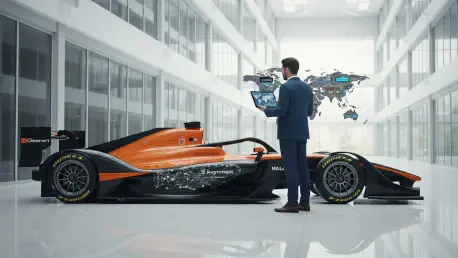
The partnership between Airwallex and a legendary racing team like McLaren Racing serves as the centerpiece for this human-centric marketing evolution. In the high-velocity environment of Formula 1, every millisecond counts, mirroring the urgent demands of global finance where late payments or inefficient currency conversions can stall growth. By placing their brand in the cockpit and on the pit wall, the company demonstrates a visceral commitment to speed that a standard white paper simply cannot convey. This association allows business leaders to see the fintech provider not just as a service, but as an essential component of a winning team. The visual metaphors of a race car navigating complex circuits translate perfectly to a business navigating the complexities of international markets. It creates a narrative where the technology is the engine behind the success of human ambition. This strategic alignment leverages the emotional high of professional sports to validate technical reliability.
Humanizing B2B marketing requires moving beyond functional benefits toward shared values such as resilience, teamwork, and relentless innovation. When a brand sponsors a sports entity, it inherits the story of the athletes and engineers who push boundaries under immense pressure. For the fintech sector, this provides a unique opportunity to showcase how their tools empower real people to overcome logistical hurdles in real-time. The collaboration with McLaren highlights the necessity of real-time data and rapid execution, which are fundamental to both racing and global treasury management. Business-to-business interactions are fundamentally human interactions, and sports offer a universal platform for storytelling that transcends cultural and linguistic barriers. By investing in these high-stakes environments, the company signals that it understands the drive for excellence that characterizes the modern entrepreneur. This approach builds trust through association and proves software robustness.
The Strategic Shift: Actionable Insights for Modern Finance
The transition toward sports-centric B2B marketing provided a blueprint for how technical firms moved toward more empathetic engagement models. Organizations that adopted these strategies found that aligning with high-performance cultures allowed them to break through the noise of traditional digital advertising. Future success for fintech firms depended on their ability to integrate their services into the actual operational fabric of their partners, rather than just buying billboard space. Moving forward, the priority remained on creating experiential value that rewarded the loyalty of human decision-makers. Leaders were encouraged to look beyond the immediate return on investment of a sponsorship and instead evaluate the long-term brand equity built through shared cultural milestones. The most effective campaigns were those that treated B2B clients as people with passions, interests, and a desire for excellence. These developments necessitated a shift in the way brands behaved.
Professionals in the marketing space recognized that the most resilient brands were those that successfully bridged the gap between functional utility and emotional resonance. They prioritized partnerships that offered a trial by fire environment, proving the reliability of their software under conditions that mirrored their clients’ own high-pressure scenarios. The strategy moved toward creating decentralized marketing initiatives that empowered local teams to leverage global sports assets for regional growth. By the time these methodologies became industry standards, the focus had shifted toward even deeper levels of technological co-creation between sponsors and sporting teams. Business entities realized that the human element was not a variable to be minimized, but the primary driver of adoption and retention in the software-as-a-service ecosystem. The result was a more vibrant, connected, and ultimately humanized approach to global trade that resonated with every single stakeholder.