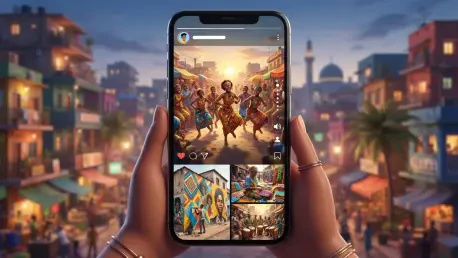

The logistical costs and lack of high-quality production equipment represent significant hurdles that Fabian Obiri must navigate while scaling his mobile content operations. As a twenty-two-year-old entrepreneur, he has emerged as a central figure in the transformation of the Kenyan media landscape, effectively demonstrating how digital platforms can supersede traditional career trajectories. While previous generations often prioritized established fields like law or civil service, the current economic climate in 2026 has paved the way for creators who prioritize direct engagement over institutional approval. Obiri, who was once an agriculture student at Chuka University, utilized his academic background as a springboard to understand the intricate dynamics of human behavior and public sentiment. By recognizing the latent potential in the digital creator economy, he transitioned from a structured university environment to a more fluid, impact-driven role in the digital space. His rise signifies a broader shift in East Africa, where social media is no longer viewed merely as a tool for leisure but as a sophisticated engine for economic empowerment and cultural influence. This evolution is particularly evident in how young professionals are leveraging affordable mobile technology to bypass traditional gatekeepers in the broadcasting industry.
The Strategic Shift to Digital Media
Building a Brand Through Public Engagement
Obiri’s strategic focus on the street interview format was a deliberate choice aimed at reducing the barrier to entry while maximizing the authenticity of his output. In a market saturated with polished, high-budget studio productions, the raw and unpredictable nature of public interaction provides a refreshing contrast that resonates with a younger, mobile-first demographic. By taking his microphone to the streets of Nairobi, he has successfully democratized the storytelling process, allowing the diverse opinions of everyday citizens to drive the narrative of his brand, “Its Fabian.” This approach not only minimizes the initial capital investment required for studio space but also creates a feedback loop where the audience sees themselves reflected in the content. The relatability of these interactions has turned mundane public settings into a stage for profound social commentary and humor, fostering a sense of community that traditional television often fails to replicate. Consequently, his platform has become a critical touchstone for brands looking to tap into the authentic pulse of the Kenyan youth without the filters of conventional advertising.
The logistical efficiency of street interviewing allows for a high volume of content production, which is essential for maintaining visibility within current social media algorithms. This constant presence in the digital ecosystem has enabled Obiri to build a brand that functions as a bridge between the digital screen and the lived reality of the Kenyan people. By focusing on youth culture and contemporary social issues, he has managed to create an authoritative voice that is both accessible and influential. The unpredictable responses characteristic of this format serve as the primary driver of engagement, sparking viral conversations that often extend far beyond the original video. This strategy highlights a significant trend in 2026 where the value of a media brand is measured by its ability to foster genuine interaction rather than the sheer size of its production budget. Through this model, Obiri has illustrated that a deep understanding of human psychology and a commitment to on-the-ground reporting can create a sustainable business model that challenges the dominance of traditional media conglomerates.
Transitioning From Academic Foundations
The shift from a rigorous academic focus on agriculture to a career in digital media serves as a compelling case study in professional adaptability. While his initial enrollment at Chuka University was rooted in a traditional understanding of economic stability, Obiri’s natural inclination toward communication eventually took precedence over the technicalities of farming. This pivot was not a rejection of his education but rather an application of his analytical skills to a different field. His background in agriculture provided a unique perspective on the resourcefulness required to thrive in unpredictable environments, a trait that proved invaluable in the volatile world of content creation. The transition reflects a growing trend among Kenyan graduates who are finding that the skills acquired in one discipline can be successfully retooled to meet the demands of the digital age. By moving away from the conventional path, he has opened a new dialogue about the value of passion-led entrepreneurship in a region where vocational flexibility is increasingly becoming a necessity for success.
The professionalization of interpersonal interaction has allowed Obiri to monetize skills that were previously considered purely social. His transition from a student dreaming of a law career to a prominent interviewer highlights the way digital platforms have become the new “courtroom” for public debate and persuasion. In this modern arena, the ability to ask the right questions and manage public perception is as valuable as any legal argument. This shift underscores a broader generational movement where soft skills such as emotional intelligence, active listening, and spontaneous problem-solving are recognized as core competencies in the digital economy. By positioning himself as a mediator of public discourse, Obiri has effectively turned his curiosity about human nature into a marketable asset. This career path demonstrates that the boundaries between different professional sectors are becoming increasingly blurred, allowing for a more holistic approach to career development that values agility and communication above all else.
Navigating Virality and Ethical Content
The Transition from Fame to Professionalism
A significant milestone in the maturation of Obiri’s career was the interview he conducted with George Ruto, which catalyzed a massive surge in his digital footprint. While many creators might have rested on the laurels of a viral moment, he recognized that visibility alone is not a substitute for a long-term professional strategy. The interview, which was secured through a bold and direct approach on TikTok, demonstrated the power of digital networking to circumvent traditional PR hurdles. However, the subsequent management of this fame required a shift from spontaneous action to intentional brand building. Obiri understood that to sustain the momentum generated by high-profile encounters, he needed to transition from being a viral sensation to a respected media personality. This evolution involved refining his interviewing techniques and ensuring that each piece of content contributed to a larger, more cohesive brand narrative. His ability to balance the excitement of virality with the discipline of professional consistency has set him apart from many of his peers in the industry.
The difference between a short-term spike in followers and a sustainable career lies in the ability to deliver value consistently over time. Obiri’s approach in 2026 emphasizes that while a single video can attract a million views, it is the quality of the subsequent daily output that retains an audience. This requires a transition from focusing solely on the “next big hit” to building a library of content that serves as a reliable source of information and entertainment. As he moved from interviewing strangers to engaging with established celebrities and public figures, the demands on his preparation and research increased significantly. Professionalism in this context means understanding the nuances of his subjects’ backgrounds and ensuring that the conversations provide more than just superficial entertainment. By treating his platform with the same seriousness as a traditional news outlet, he has managed to bridge the gap between social media influence and professional journalism, establishing a blueprint for other creators who aspire to long-term relevance.
Implementing an Ethical Content Framework
In an era where the pursuit of online engagement often leads to exploitative practices, Obiri has distinguished himself by adhering to a rigorous ethical framework. He makes a clear distinction between content that is genuinely entertaining and content that seeks to humiliate or embarrass the participants for the sake of “clout.” This commitment to ethical creation involves a transparent process where the purpose of the interview is clearly explained before any filming begins. By prioritizing consent and respecting the boundaries of those who choose not to participate, he has built a reputation for integrity that is rare in the high-stakes world of digital media. This ethical stance is not only a moral choice but a strategic business decision that protects the long-term viability of his brand. In 2026, audiences are increasingly savvy about identifying exploitative content, and creators who prioritize respect and transparency are more likely to build the deep trust required for sustained success.
The editorial choices made during the post-production phase are equally critical to maintaining a professional standard. Obiri ensures that his editing process preserves the context of the interviewees’ responses, avoiding the temptation to use misleading clips to generate controversy. This commitment to editorial integrity ensures that the subjects of his interviews are represented fairly, which in turn makes high-profile figures more willing to engage with his platform. By refusing to sacrifice his principles for short-term viral gains, he has positioned himself as a trustworthy partner for corporate entities that are wary of the risks associated with influencer marketing. This ethical approach has paved the way for sophisticated collaborations with global brands that value brand safety and professional conduct. Ultimately, the success of “Its Fabian” demonstrates that ethical content creation is a powerful tool for building a loyal community and a resilient business in the competitive digital landscape.
The Business of the Creative Economy
Professional Management and Strategic Partnerships
The growth of the “Its Fabian” brand necessitated a shift from a solo-preneur model to a more organized corporate structure. By hiring a dedicated manager who handles brand communications and contract negotiations, Obiri has been able to focus his energy on the creative aspects of his work. This transition to professional management has allowed the brand to engage in more complex and lucrative partnerships with major organizations such as Martell and Dentsu. Having a team in place ensures that every collaboration is strategically aligned with the long-term goals of the media brand, rather than being a series of disconnected promotional deals. In 2026, the professionalization of a creator’s team is a hallmark of success, indicating a move away from amateur content production toward a legitimate media enterprise. This structure provides the necessary support to navigate the complexities of international copyright law, talent management, and digital rights, which are increasingly relevant as the creative economy matures.
Strategic brand mediation serves as a vital bridge between the creative world and the corporate sector, allowing for more impactful marketing campaigns. Obiri’s manager plays a crucial role in translating his creative vision into a language that corporate partners can understand, ensuring that both parties achieve their objectives. This collaborative approach has resulted in innovative event marketing and brand advocacy that feels organic rather than forced. By moving beyond simple platform-native payouts, he has built a robust business model that is diversified across multiple revenue streams. This financial stability is essential for reinvesting in better production equipment and expanding the reach of his operations. The successful integration of professional management highlights a critical lesson for the Kenyan digital economy: that creativity must be paired with operational excellence to achieve scale. This model has allowed Obiri to transcend the limitations of a single social media platform, creating a versatile brand that can adapt to changing market trends and audience preferences.
Strategic Directions for the Creative Economy
The evolution of the creative sector required a proactive response to systemic challenges that historically limited the potential of African digital entrepreneurs. The path established by Fabian Obiri highlighted the necessity of narrowing the gap between visibility and income, ensuring that high engagement translated into sustainable livelihoods. This journey demonstrated that the maturation of the Kenyan digital economy depended on the development of fairer compensation models and more consistent brand partnerships. Moving forward, the emphasis shifted toward building a media empire that could exist independently of a single personality, focusing instead on authentic storytelling and the exploration of youth culture across international borders. The integration of advanced production techniques and professional management teams became the standard for those seeking to compete on a global stage, proving that the digital space offered a viable alternative to traditional economic pathways.
In summary, the trajectory of Fabian Obiri demonstrated that the modern digital creator must function as a multifaceted executive, balancing creative spontaneity with rigorous ethical and business standards. The Kenyan creative landscape benefited from a shift toward more organized structures that prioritized long-term brand equity over fleeting viral moments. Aspiring creators found that success required a commitment to professional development, ethical engagement, and strategic networking within the burgeoning digital ecosystem. By leveraging the power of mobile content and community trust, the industry proved that it could drive economic growth while providing a platform for authentic public discourse. The future of this sector remained rooted in the ability of entrepreneurs to navigate resource scarcity with resilience and innovation, ultimately redefining the relationship between technology, media, and the public in East Africa.