
The transformation of a multinational energy conglomerate into a familiar neighborhood presence requires more than just a fresh coat of paint on local service stations. In the current landscape of Victoria, Australia, the global energy giant Sinopec has initiated a sophisticated strategic shift aimed at dissolving the perceived distance between a massive international corporation and the daily lives of regional residents. Rather than relying on traditional high-level corporate messaging that often feels detached from the average consumer, the company is championing a community-first marketing philosophy. This evolution is particularly visible in how the brand integrates itself into local routines, moving away from being just another fuel stop to becoming a reliable neighborhood staple. By prioritizing direct engagement over abstract brand awareness, the organization is effectively navigating a competitive retail environment, demonstrating that local relevance is the most valuable currency in securing long-term loyalty across regional hubs.
Streamlining the Customer Experience
Simplifying Digital Interaction
A fundamental component of this successful outreach involves the implementation of a frictionless entry process for its promotional activities, which respects the time and convenience of the modern motorist. Unlike many traditional fuel retailers that require customers to navigate cumbersome mobile applications or laboriously upload physical receipts, this approach utilized a streamlined, QR-code-driven model that removes significant barriers to entry. With a minimum spend requirement of only one dollar, the hurdle for participation was kept remarkably low, allowing even those in a rush to participate in a matter of seconds. This strategy directly addresses the primary needs of shoppers in a high-speed retail environment where efficiency is paramount. By removing technical friction, the brand managed to capture a wider demographic, proving that accessibility is often more important than the scale of the campaign itself, as it encourages spontaneous interaction from a diverse customer base.
Ensuring Operational Transparency
To reinforce the legitimacy of its regional initiatives, the company collaborated closely with professional legal firms to oversee the administration of its prize draws and promotional activities. This emphasis on corporate governance and transparency is critical when an international entity seeks to build credibility within smaller, tight-knit communities where word-of-mouth reputation carries significant weight. By ensuring that every aspect of the lucky draw was legally compliant and independently verified, the organization provided a level of security that mitigated common consumer skepticism toward large-scale promotions. This commitment to fairness was not merely a legal requirement but a cornerstone of their brand-building strategy in Victoria. The visible integrity of these operations helped to bridge the trust gap, showing that the company is willing to invest in professional oversight to protect the interests of its customers, thereby fostering a sense of reliability that extends well beyond a single transaction.
Boosting Regional Presence
Focusing on Overlooked Towns
The results of the recent lucky draw promotion clearly indicated a high level of engagement from residents in regional hubs such as Ballarat, Shepparton, and Frankston, validating the company’s localized focus. Historically, many international corporations have concentrated their marketing budgets and outreach efforts exclusively on high-density metropolitan areas, often leaving regional towns feeling neglected or secondary. By intentionally allocating a significant portion of the prize pool and promotional focus to stations like those in Soldiers Hill and Kialla, the brand demonstrated a genuine commitment to supporting the heartland of Victoria. This strategy acknowledges that regional consumers are looking for brands that recognize their specific economic contributions and community values. By moving the spotlight away from the urban center, the organization was able to tap into markets that are often under-served by global competitors, creating a distinctive advantage rooted in regional inclusion.
Humanizing the Global Brand
A key aspect of winning over these communities has been the deliberate effort to personify the brand through the stories of local winners and the presence of regional station managers. Instead of utilizing celebrity endorsements or generic corporate actors, the marketing materials featured real people from the community, making the brand feel more accessible and human. When neighbors see people they know winning high-quality household prizes at their local station, the brand ceases to be a distant entity and becomes a facilitator of local success. This personification strategy helps to transition the company from a global heritage brand to a trusted local partner that celebrates the achievements of its customers. By positioning the local station manager as the primary representative of the brand, the company ensures that the face of the business is someone the community can recognize and interact with daily, fostering a sense of accountability and personal connection.
Value Beyond the Gas Pump
Responding to Economic Pressures
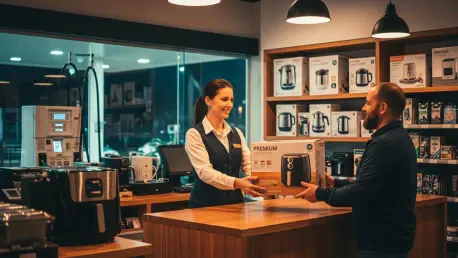
In an era characterized by highly volatile gasoline prices and intense market competition, differentiating a brand solely through pricing has become an increasingly difficult endeavor. The company’s current strategy involves creating tangible value beyond the fuel pump by providing high-quality home appliances and lifestyle incentives to its customer base. During a period of significant cost-of-living pressures for many Victorian families, rewards such as premium air fryers, wine cabinets, and smart televisions resonate much more deeply than minor, temporary discounts on fuel. This shift represents a broader movement toward emotional branding, where the relationship between the consumer and the retailer is defined by practical benefits that improve the quality of life at home. By offering prizes that have a high perceived value and long-term utility, the brand successfully positions itself as a partner in the household economy, showing a keen awareness of the financial realities.
Cultivating Long-Term Loyalty
This strategic focus on lifestyle rewards also helps to break the purely transactional nature of the fuel industry, where customers often choose a station based on convenience or a few cents’ difference in price. By associating the brand with household comfort and modern convenience, the firm creates positive emotional links that can withstand the fluctuations of the global oil market. This approach builds a unique form of brand loyalty that is rooted in gratitude and utility rather than just habit. When a customer uses an appliance won through a fuel promotion, they are reminded of the brand’s contribution to their daily routine in a way that a receipt for discounted gasoline could never achieve. Consequently, the transition toward providing genuine household value allows the company to stand out in a crowded market, transforming a routine refueling stop into a potentially life-enhancing interaction that fosters a much stronger, more resilient connection with the Victorian public.
A Long-Term Vision for Growth
Sustaining Local Connections
The recent lucky draw promotion was not designed as an isolated marketing event but rather as the initial phase of a comprehensive roadmap for the year starting in 2026. The organization has confirmed a structured pipeline of activities aimed at deepening its presence within the four key Victorian communities of Ballarat, Thomastown, Shepparton, and Frankston. These plans include specifically targeted fuel discount days, integrated coffee and convenience store offers, and the rollout of enhanced loyalty programs tailored to regional needs. By maintaining a constant and varied presence through these localized initiatives, the brand ensures that it remains at the forefront of the minds of regional motorists. This consistent engagement strategy prevents the feeling of many corporate promotions, showing the community that the company is here to stay and is invested in providing ongoing value that evolves with the changing needs of the local population.
Expanding the Strategic Testbed
Furthermore, the current strategy utilizes these Victorian locations as essential testing grounds for broader national initiatives across Australia. By refining their community-led approach in diverse settings—ranging from the industrial corridors of Thomastown to the more traditional regional atmosphere of Shepparton—the company is gathering the critical data required for a wider rollout. This methodical expansion ensures that as the brand grows on a national scale, it retains the specialized local focus that has become its primary competitive advantage. The insights gained from these four specific stations are being used to calibrate everything from product inventory to the tone of digital communications, ensuring a high degree of relevance in every new market entered. This data-backed approach to growth emphasizes quality over speed, focusing on building a sustainable network of service stations that are deeply integrated into the specific fabric of their regions.
Future Insights: Integrating Global Strategy and Local Needs
The strategic pivot toward localized community engagement in Victoria provided a clear blueprint for international firms seeking to penetrate regional markets with high barriers to entry. By prioritizing simplicity in digital interactions and offering rewards that addressed the specific economic pressures of the time, the organization successfully reshaped its public image. The decision to invest in regional hubs rather than focusing exclusively on metropolitan centers allowed for the cultivation of a loyal customer base that felt genuinely seen and valued by a global entity. Future considerations for the energy sector now involve moving beyond transactional pricing to foster emotional branding through practical, community-oriented utility. The shift effectively demonstrated that transparency, localized leadership, and a commitment to household value were the most effective tools for building lasting brand equity. These findings suggested that the path to sustainable growth lies in a brand’s ability to act as a local partner, ensuring that every expansion remains deeply rooted in the lives of the people.