
The meticulous orchestration of a flawless gala, from the first vendor call to the final guest’s departure, now mirrors the complex gantt charts and risk assessments once confined to corporate boardrooms. What was once viewed as a service centered on aesthetics and coordination is rapidly professionalizing, adopting the rigorous frameworks of project management to meet escalating demands for precision, reliability, and strategic execution. This report examines the fundamental shift transforming event planning from a task-oriented role into a strategic discipline, analyzing the forces driving this evolution and forecasting the future of a more structured, process-driven industry.
The Evolving Landscape from Party Planners to Strategic Architects
The modern event management industry has matured into a multifaceted discipline far removed from its historical image. Its scope now encompasses an extensive range of functions, from intimate private celebrations and elaborate weddings to large-scale corporate conferences and international exhibitions. This expansion reflects a marketplace that demands not just creativity but also robust logistical oversight, financial acumen, and strategic planning. The contemporary event professional is expected to deliver a seamless experience, a goal that requires a deep understanding of interconnected operational components.
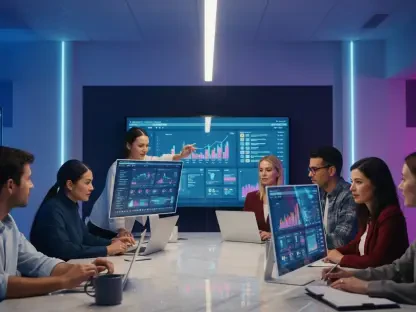
This evolution signifies a critical transition from task-oriented service provision to holistic, coordinated project leadership. The event planner no longer simply checks off items on a list but acts as the central hub in a complex ecosystem. This network of key players includes the clients with their vision and objectives, a diverse array of specialized vendors providing everything from catering to audiovisual technology, and the venues that serve as the physical foundation for the event. Successfully navigating this ecosystem requires a leader who can align disparate parties toward a single, unified goal.
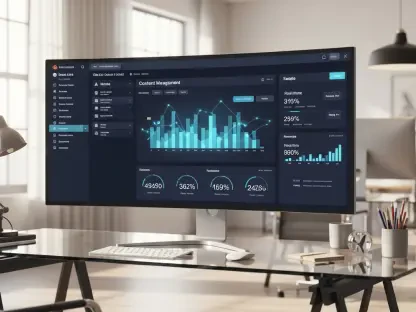
Integral to this new landscape is the profound impact of digital tools on both operational efficiency and stakeholder communication. Integrated platforms for scheduling, guest management, budgeting, and resource allocation have become standard, replacing manual processes with streamlined, data-driven workflows. These technologies not only enhance accuracy and reduce the margin for error but also create a transparent and centralized communication channel. This ensures that clients, planners, and vendors are consistently aligned, fostering a collaborative environment where information flows freely and decisions are made with clarity.
Charting the Industrys Trajectory
Driving Forces Technology Scalability and Heightened Client Expectations
A primary catalyst for this industry-wide transformation is the trend of rising client expectations for structured and reliable outcomes. Clients today, whether corporate or private, are more sophisticated and results-oriented than ever before. They seek not just a memorable occasion but a quantifiable return on their investment, which translates into a demand for transparency in budgeting, precision in scheduling, and predictability in execution. This has pushed planners to adopt more formal methodologies that can guarantee a consistent level of quality and professionalism, moving away from ad-hoc approaches toward systematic frameworks.
The proliferation of integrated technology has been instrumental in meeting these heightened demands. Sophisticated software solutions now allow for meticulous control over every facet of an event, from initial resource allocation and vendor scheduling to real-time guest communication and itinerary management. This technological integration provides the backbone for a more disciplined approach, enabling planners to manage complexity with greater ease and accuracy. Consequently, what was once a tangle of spreadsheets and phone calls is now a synchronized digital operation.
Alongside technology, the growing need for scalable planning frameworks has become a significant driving force. A truly professional event management model must be adaptable to any event size, from a small executive retreat to a multi-day festival, without a drop in quality. This requires a process-driven foundation that can be expanded or contracted as needed. This trend is further amplified by evolving consumer behavior, which increasingly prioritizes experience-focused and flawlessly executed events. The modern attendee has little tolerance for logistical hiccups, placing immense pressure on planners to deliver perfection.
Forecasting the Future The Growth of Process Driven Event Execution
The market is clearly shifting toward professionalized, project-based planning services as the industry standard. This is not merely a preference but an emerging necessity driven by the complexities of modern events. As this trend continues, the demand for event management roles requiring strategic and logistical expertise is projected to grow significantly. Companies and private clients are increasingly recognizing the value of hiring professionals who can deliver predictable success, treating an event not as a party but as a complex, temporary project with clear deliverables.
Success in this new paradigm is measured by a clear set of key performance indicators (KPIs) borrowed directly from the world of project management. Budget adherence is paramount, with planners expected to deliver maximum impact within predefined financial constraints. Timeline precision is another critical metric, as delays can have a cascading effect on vendors, venues, and the overall guest experience. Ultimately, client satisfaction remains the definitive measure of success, but it is now underpinned by these objective, process-oriented benchmarks that demonstrate professional competence.
Looking ahead, the project management model is poised to become the undisputed industry standard for event execution. The principles of defining scope, managing resources, mitigating risks, and adhering to a master schedule are becoming non-negotiable. This professionalization will likely lead to greater industry credibility, standardized practices, and a new generation of event leaders who are as adept with gantt charts and risk logs as they are with color palettes and seating charts. The future of event planning is one of structure, strategy, and predictable excellence.
Navigating the Gauntlet Modern Challenges in Event Execution
Despite the move toward structured processes, event planners face significant logistical complexities, chief among them the coordination of multiple vendors and stakeholders. Each event is a temporary convergence of independent businesses, from caterers and florists to security and technical crews, all of whom must work in perfect synchrony. The planner is responsible for aligning these disparate schedules, deliverables, and personalities into a cohesive operational plan, a task that requires exceptional communication and organizational skills to prevent costly gaps or overlaps in service.
A constant challenge is managing client expectations against the realities of budgetary constraints and resource limitations. While clients often have a grand vision, it is the planner’s responsibility to translate that vision into a feasible plan that aligns with the available funds. This requires a delicate balance of creative problem-solving and transparent communication, guiding clients toward informed decisions that preserve the event’s integrity without exceeding financial boundaries. The ability to deliver a high-value experience within a defined budget is a hallmark of a skilled event professional.
Furthermore, the role inherently involves anticipating and mitigating a wide array of potential risks. These can range from technical failures with audiovisual equipment to last-minute vendor cancellations or unexpected weather events. A proactive planner develops robust contingency plans for every foreseeable issue, ensuring that backup systems and alternative arrangements are in place. This foresight is crucial for maintaining a smooth experience for guests and preventing minor disruptions from escalating into major crises, thereby safeguarding the event’s success. This is compounded by environmental and location-specific obstacles, such as navigating the variable space availability and stringent regulations in dense urban centers like Hong Kong, which demand specialized local knowledge.
The Rulebook Compliance Contracts and Cultural Competence
At the core of modern, professional event management is the critical role of meticulous documentation. Comprehensive contracts, detailed schedules, floor plans, and exhaustive checklists serve as the operational backbone for any well-executed event. This paperwork is not mere bureaucracy; it is the primary tool for establishing clarity, defining responsibilities, and ensuring accountability among all parties. Formal documentation protects both the client and the planner by creating a clear record of agreements and expectations, minimizing the potential for disputes.
Navigating a web of local regulations, permits, and venue-specific compliance requirements adds another layer of complexity to the planner’s role. From fire safety codes and noise ordinances to liquor licenses and public gathering permits, adherence to legal standards is non-negotiable. An experienced planner possesses the knowledge to identify and secure all necessary approvals, ensuring the event operates legally and safely. This diligence protects the client from potential liabilities and prevents last-minute shutdowns that could derail the entire occasion.
In an increasingly globalized market, cultural awareness and sensitivity have become essential competencies. Events often bring together guests and stakeholders from diverse backgrounds, each with unique customs, traditions, and protocols. A professional planner must be adept at understanding and respectfully incorporating these cultural nuances, whether in menu selection, décor, or ceremonial practices. This cultural competence ensures that all attendees feel welcomed and valued, transforming a standard event into a truly inclusive and meaningful experience. This is all supported by centralized communication and formally documented responsibilities, which ensure every stakeholder is clear on their role.
Beyond the Horizon The Professionalization and Future of Event Leadership
The forward trajectory of event management points toward the continued integration of sophisticated project management software and AI-driven tools. These technologies will move beyond basic scheduling and guest lists to offer predictive analytics for budgeting, resource optimization, and even risk assessment. AI may soon help planners identify potential logistical bottlenecks before they occur or analyze guest data to personalize experiences in real time. This technological evolution will empower planners to make smarter, more data-informed decisions, further solidifying their role as strategic managers.
This professionalization will also give rise to potential market disruptors and a greater shift toward specialized event management niches. As the general practice becomes more standardized, planners will differentiate themselves by developing deep expertise in specific areas, such as sustainable events, virtual and hybrid conferences, high-security corporate functions, or culturally specific celebrations. This specialization will allow for a higher degree of tailored service, meeting the needs of a market that values expert knowledge and a proven track record in a particular domain.
Ultimately, the event planner’s role will continue to evolve from a coordinator to a strategic leadership position. Planners will be brought into the conversation earlier, contributing not just to the “how” but also the “why” of an event by helping clients define objectives and measure success. This strategic function will be increasingly supported by a new emphasis on data analysis for post-event evaluation. By systematically collecting and analyzing data on everything from guest engagement to budget variance, planners can provide clients with concrete evidence of an event’s impact and use those insights for continuous process improvement.
The Final Verdict Why a Project Managers Toolkit is an Event Planners Greatest Asset
This report’s analysis demonstrated the profound transformation of event planning into a structured, process-driven discipline. The industry has moved decisively away from an informal art form toward a professional practice grounded in systematic execution and strategic oversight. This shift was not arbitrary but a necessary response to a market demanding greater reliability, transparency, and measurable success from the events it invests in.
The investigation concluded that modern event planning now shares the core principles that have long defined professional project management. At its heart, a successful event requires the same fundamental pillars: the establishment of clear objectives, the meticulous coordination of resources and personnel, the proactive management of risks, and unwavering adherence to timeline and budget. The tools and methodologies of a project manager have become indispensable for navigating the complexities of contemporary event execution.
Ultimately, the findings confirmed that adopting a project management mindset is no longer just an advantage but a prerequisite for delivering consistent, high-quality event experiences. The industry’s future prospects were seen to be brightest for those professionals and organizations that embrace this disciplined approach. The professionalization of planning has elevated the entire industry, establishing a new standard where creativity is powerfully amplified by structure, and a memorable experience is the predictable outcome of a well-managed process.