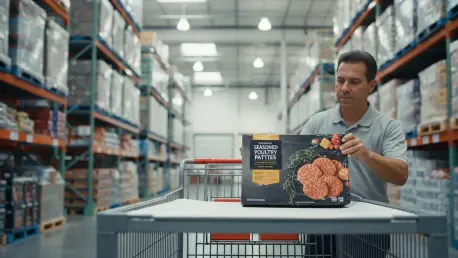

The modern consumer landscape shifted dramatically as shoppers prioritized brands that balanced high-quality nutrition with a transparent commitment to social responsibility and ethical sourcing. Mighty Spark successfully navigated this transition by positioning itself as a premium provider of seasoned poultry products that serve a dual purpose of feeding the buyer and supporting global hunger relief efforts. As the company prepares for its most significant growth phase to date, the dual announcement of a national advertising campaign and a massive expansion into Costco locations signifies a turning point for the brand. This move is not merely about increasing shelf presence but about solidifying a presence in the daily lives of families across the United States who frequent warehouse clubs for value and quality. By scaling its operations to meet the rigorous demands of a national retail giant, the brand has demonstrated an impressive ability to maintain artisanal standards while achieving the volume required for nationwide distribution.
Market Expansion: Securing a Footprint in Warehouse Retail
Securing a spot in the aisles of Costco represents a major milestone for any food manufacturer, given the retailer’s reputation for selective curation and high-volume turnover. For Mighty Spark, this expansion means moving into hundreds of new locations, bringing their signature chicken and turkey patties to a broader audience that values protein-rich, clean-label options. The logistics of such a rollout required significant investments in manufacturing infrastructure and supply chain resilience to ensure that every package meets the strict safety and flavor profiles established during the brand’s early years. This entry into the warehouse channel allows the company to capitalize on the growing trend of home cooking, where consumers seek convenient yet healthy ingredients that do not compromise on taste or ethics. Moreover, the move provides the necessary scale to lower production costs over time, potentially making premium organic and all-natural poultry more accessible to a wider demographic of health-conscious shoppers who prioritize clean eating.
The partnership with Costco also serves as a validation of the brand’s market viability in a highly competitive meat industry dominated by multi-billion dollar corporations. By maintaining a lean operational model while scaling up for national demand, the company has proven that purpose-driven brands can successfully compete for shelf space alongside legacy players. This expansion strategy focuses heavily on regional distribution centers to maintain product freshness and minimize the carbon footprint associated with long-distance shipping. As these products become staples in the diets of Costco members, the brand expectation for quality remains at an all-time high, forcing a continuous cycle of innovation in flavor profiles and packaging solutions. The ability to pivot quickly based on warehouse member feedback has allowed the brand to refine its offerings, ensuring that the specific needs of bulk buyers are met without losing the unique identity that first attracted loyal followers in its initial test markets.
Strategic Growth: Leveraging National Media and Community Impact
To complement its physical growth, the launch of a national advertising campaign marks the brand’s first foray into large-scale media placements across various digital and traditional platforms. The messaging focuses on the intersection of culinary excellence and social impact, highlighting the one-for-one meal donation program that has been a cornerstone of the business since its inception. By using high-production visuals that showcase the versatility and appetite appeal of seasoned poultry, the ads aim to inspire home cooks to elevate their everyday meals with minimal effort. This campaign is strategically timed to coincide with the increased retail availability, ensuring that as consumers see the advertisements, they can easily find the products during their routine shopping trips. The integration of QR codes and digital direct-to-consumer links within the advertisements further bridges the gap between brand awareness and physical purchase for shoppers who rely on multiple touchpoints before buying.
The successful rollout of national advertising and the significant increase in retail distribution provided a clear blueprint for how purpose-led organizations achieved mainstream success without compromising their core values. Leadership teams across the food industry observed how integrating a clear social mission into the brand’s identity created a powerful competitive advantage that resonated with a diverse consumer base. Moving forward, companies should have looked to this example as a catalyst for re-evaluating their own supply chains and charitable contributions, recognizing that modern shoppers demanded more than just functionality from the products they purchased. The transition from a regional specialty brand to a national household name required a meticulous balance of logistical excellence and authentic storytelling, which ultimately redefined market expectations for the premium protein category as the business successfully transitioned into its most profitable chapter yet.