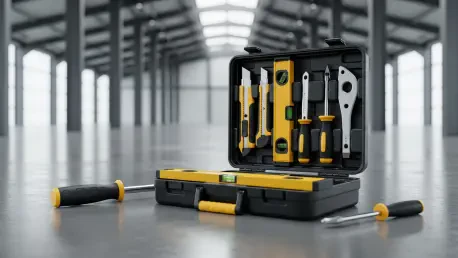

The physical integrity of modern global infrastructure relies on the calloused hands of skilled professionals who require high-performance tools that work as hard as they do without the distraction of marketing gimmicks. As the residential construction sector continues its steady expansion, the global market for specialized hand equipment has shifted toward products that prioritize functional reliability over superficial features. Stanley Black & Decker has strategically positioned its brand to navigate this competitive field by focusing on the specific needs of small-business contractors.
This sector is characterized by a reliance on gear that withstands the rigors of various jobsite environments while adhering to international manufacturing standards. Technological progress in this space is no longer just about adding electronic features; it is about refining the essential utility of every hammer and tape measure. Consequently, the focus has narrowed onto tools that offer a competitive edge through sheer performance rather than marketing novelty.
Defining the Modern Landscape of Professional Construction and Hand Tool Markets
The current professional market reflects a complex interplay between legacy manufacturing and the immediate pressures of modern construction timelines. Contractors operate in high-stakes environments where equipment failure translates directly to lost revenue and compromised safety. To remain relevant, brands have had to pivot away from generic consumer appeal and toward a more rigorous, professional-grade focus that honors the specialized requirements of the trade.
Moreover, the market is currently shaped by a workforce that values efficiency above all else. Tool durability and ergonomic design have become the primary benchmarks for success in an industry where labor costs are rising and project deadlines are tightening. As a result, manufacturers are investing heavily in materials that offer superior longevity, ensuring their products remain essential fixtures on the modern jobsite.
Analyzing Trade Trends and the Shift Toward Performance-First Branding
This strategic repositioning is epitomized by the launch of a brand platform that emphasizes a straightforward approach to professional engagement. By cutting through the noise of traditional advertising, the industry is seeing a renewed focus on substance and reliability that resonates with the daily grind of the workforce.
The multi-channel rollout across North America, Europe, and Australia signals a global shift in how legacy brands communicate with their core users. This move is part of a larger movement where established players are sharpening their identities to remain relevant in evolving markets. The emphasis remains squarely on providing tools that act as partners for contractors who prioritize completing the job over listening to sales pitches.
The Rise of Authenticity and the Rejection of Corporate Marketing Jargon
Contemporary trade professionals have developed a sharp eye for corporate posturing and often reject traditional marketing jargon in favor of authentic communication. This demographic shift has prompted the introduction of creative elements like Stan, an anthropomorphic toolbox mascot that uses jobsite humor to critique industry clichés. By adopting this direct and irreverent tone, the brand distinguishes itself from competitors that rely on hype.
The strategy addresses a growing skepticism among younger contractors who are quick to dismiss empty promises. Instead of polished corporate narratives, these professionals respond to messaging that acknowledges the gritty reality of their labor. Transparent communication has become a vital tool for bridging the gap between the manufacturer and the end-user.
Quantifying the Global Demand for High-Durability Professional Equipment
Market data suggests that the global appetite for high-durability equipment will remain strong from 2026 through 2028. This growth is largely fueled by a rebounding housing market and a rise in renovation projects that require professional-grade precision. Performance indicators consistently show that residential pros prioritize tools that offer long-term value and efficiency.
Looking forward, the market is expected to reward manufacturers that leverage their historical credibility while integrating practical innovations. The demand for products that solve specific, documented jobsite challenges is projected to outpace interest in general-purpose tools. This trend reinforces the importance of specialized engineering in a crowded marketplace.
Addressing the Hurdles of Market Satiety and Professional Skepticism
Cutting through the noise of a saturated market remains a significant challenge for even the most established manufacturers. Innovation fatigue is a genuine concern, as many professionals are wary of new gadgets that fail to offer tangible improvements to their existing workflows. To combat this, industry leaders are grounding their latest releases in proven heritage, reminding users of a legacy that dates back to the mid-19th century.
By focusing on solutions that eliminate unnecessary complexity, brands can ensure their tools remain essential rather than distracting. This approach requires a deep understanding of the daily challenges faced by contractors, from the need for the first steel tape measure to the evolution of the utility knife. Practicality must always take precedence over aesthetic trends to maintain professional trust.
Adhering to Global Safety Protocols and Tool Industry Compliance Standards
The regulatory environment continues to evolve, placing greater emphasis on user protection and product longevity. Compliance with international safety protocols is no longer optional but a baseline for global market entry, influencing everything from the chemical composition of grips to the tension of spring-loaded mechanisms. These standards ensure that every tool meets the rigorous demands of professional use.
Security measures in manufacturing and adherence to evolving labor laws also play a pivotal role in maintaining a brand’s reputation. Ethical production and environmental responsibility have become key considerations for professionals who want to know that their equipment is made with integrity. Brands that fail to meet these expectations risk losing their standing in an increasingly conscientious market.
Forecasting the Intersection of Heritage and Modern Jobsite Efficiency
The future of the professional tool market lies in the balance between time-tested craftsmanship and the integration of smart technology. Potential market disruptors include the further automation of jobsite tasks and a heightened demand for sustainable products that reduce environmental impact. As economic conditions fluctuate, the focus will likely remain on value-driven innovation that honors a brand’s founding principles.
Adapting to the sophisticated preferences of the modern workforce requires a commitment to constant refinement. The successful integration of data-driven design with traditional toolmaking will define the next era of construction efficiency. Those who can successfully blend historical credibility with a direct approach to solving real-world problems will lead the industry.
Synthesizing the Impact of Practical Innovation on Long-Term Growth
The move toward a substance-driven identity reinforced the necessity of performance over posturing in the professional sector. By moving away from marketing noise and toward a commitment to functionality, the industry solidified its standing among contractors who demanded reliability. This strategy provided a roadmap for future development, ensuring that innovation remained grounded in the physical realities of construction.
Stakeholders observed that the most effective growth came from honoring historical credibility while adapting to modern workforce preferences. The campaign successfully navigated the complexities of the market, proving that contractors valued honesty over empty promises. This approach redefined the expectations for tool manufacturers, ensuring that future designs focused on the essentials of the trade rather than aesthetic trends. The strategic realignment eventually fostered a culture of mutual respect between the maker and the professional user.