
The Convergence of Hollywood Storytelling and Global Brand Commerce
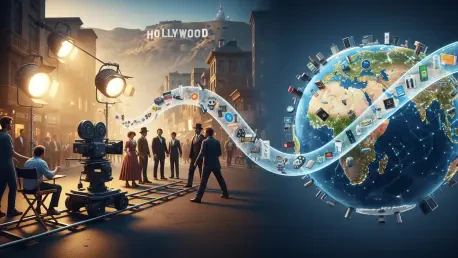
When the cinematic landscape transforms into a high-octane luxury runway, the distinction between entertainment and corporate commerce dissolves into a singular, high-stakes cultural experience that redefines how audiences interact with modern media. The current state of the brand-movie bonanza indicates that cinema is no longer merely a storytelling medium but has transitioned into a comprehensive lifestyle platform. This evolution allows global giants to embed themselves within the narrative fabric, ensuring that their products are seen as essential components of the character’s world rather than intrusive interruptions.
The scope of this high-stakes film marketing extends from specialized high-fashion hair care to tech-integrated storytelling that bridges the gap between the screen and the consumer. Major players such as Disney and UTA have orchestrated partnerships with global titans like Samsung, L’Oréal, and Starbucks to create a saturated ecosystem of influence. By leveraging the cultural cachet of established intellectual properties, these entities drive massive box-office projections while simultaneously fostering a level of consumer loyalty that traditional advertising campaigns rarely achieve in the current market.
Industry significance lies in the ability to turn a fictional world into a tangible marketplace. When a film manages to dictate what is trendy or desirable, it moves beyond the realm of simple entertainment. This strategic move toward cinema as a lifestyle driver ensures that the brand’s presence persists in the public consciousness long after the theater lights dim. The result is a self-sustaining cycle of relevance where the film promotes the brand and the brand reinforces the film’s cultural dominance across various global demographics.
Strategic Synergies and the Evolution of Modern Movie Partnerships
Narrative-Driven Marketing and the Shift Toward Deep Product Integration
Emerging trends in the marketing world suggest that the era of simple logo-slapping is rapidly coming to an end. Modern consumers, particularly those in younger demographics, favor authentic world-building over disruptive advertising techniques. As a result, the industry is witnessing a shift toward story-driven marketing where the product serves a functional or emotional purpose within the plot. This approach mirrors the blueprints established by recent successes like the Barbie and Wicked campaigns, which integrated consumer goods so deeply that they became synonymous with the films themselves.
Analyzing these evolving behaviors reveals that audiences are more likely to engage with a brand when it feels like a natural extension of the story they are following. The upcoming Prada sequel utilizes this by making limited-edition product drops and digital gamification central to its engagement strategy. By creating tools that allow fans to interact with the fictional Runway magazine, brands can bypass the traditional barriers of skepticism that often accompany blatant commercialism. These methods provide a more immersive experience, turning passive viewers into active participants within the brand’s ecosystem.
Opportunities in digital gamification further enhance this connection by rewarding consumers for their deep knowledge of the franchise. For example, interactive challenges that require fans to identify specific aesthetic details from the film create a sense of community and exclusivity. These tactics do not just sell a product; they sell an entry point into a coveted lifestyle. By focusing on deep integration, marketers ensure that their offerings are perceived as authentic artifacts of the movie’s universe, thereby increasing their perceived value and desirability.
Economic Projections and the Financial Mechanics of Studio Alliances
Current market data points to a projected opening weekend of approximately $66 million, a figure that is intrinsically linked to the massive brand spending surrounding the release. Performance indicators show that media commitments exceeding $10 million in exchange for screen time have become the new standard for top-tier partnerships. This level of investment reflects a forward-looking perspective on the long-term return on investment that narrative recruitment offers. Brands are not just buying a few seconds of attention; they are securing a permanent place in a cultural phenomenon that will be revisited for years.
The growth of category exclusivity has sparked competitive bidding wars for coveted slots in sectors like hair care and consumer technology. When a brand secures an exclusive partnership, it effectively shuts out competitors from the film’s influential aura. This exclusivity is a powerful tool for maintaining market dominance and ensuring that the brand is the sole provider of the lifestyle depicted on screen. These financial mechanics highlight the symbiotic relationship between studios and corporations, where the success of the film is directly bolstered by the marketing muscle of its partners.
Analyzing these alliances reveals a shift in how value is calculated in the entertainment industry. It is no longer just about ticket sales but about the total media value generated by the entire ecosystem of partnerships. The economic impact of such a coordinated blitz ripples through various sectors, from retail to digital services. Studios that can successfully manage these complex webs of alliances are better positioned to weather the volatility of the box office, as the guaranteed media spend provides a significant financial cushion regardless of initial reviews.
Navigating Audience Fatigue and the Authenticity Crisis
Managing the complexity of commercial interests while preserving creative integrity is one of the most difficult challenges in modern filmmaking. To avoid audience fatigue, studios must ensure that the film does not feel like a two-hour commercial. This requires a delicate balance where brand placements are woven into the fictional fabric of the magazine or the character’s daily lives with extreme precision. If the integration feels forced, it risks alienating the very audience the brands are trying to reach, leading to a loss of brand legitimacy and negative word-of-mouth.
Global activations at major events like New York and Mexico Fashion Weeks further complicate this process. These events require a consistent message across multiple markets while adapting to local cultural nuances. Maintaining a cohesive brand identity in such a crowded cinematic marketplace is a logistical feat that requires constant vigilance. Strategies for success involve using the brand’s real-world heritage to support its fictional presence, creating a bridge that feels both aspirational and grounded in reality.
Potential solutions for over-saturation include a focus on subtle storytelling rather than overt product demonstrations. By allowing the brand to exist in the background as a natural part of the set design or character development, the film maintains its artistic soul. This approach respects the intelligence of the viewer and prevents the commercial elements from overshadowing the narrative. When executed correctly, the audience accepts the brand’s presence as a necessary component of the world-building, which ultimately strengthens the connection between the consumer and the product.
The Regulatory and Ethical Landscape of Embedded Advertising
The standards governing product placement and disclosure in entertainment media have become increasingly stringent as commercial integrations grow more sophisticated. Compliance and transparency are now paramount, especially when dealing with influencer collaborations and film-inspired product lines. Regulators are closely monitoring how brands disclose their involvement to ensure that consumers are aware of the commercial nature of the content they are consuming. This ethical landscape requires studios and brands to be proactive in their transparency efforts to avoid legal repercussions.
Global advertising regulations impact how international marketing rollouts are structured for major sequels. Different countries have varying rules regarding how products can be shown on screen and how they must be labeled in promotional materials. Navigating these diverse legal requirements is a significant undertaking for global marketing teams. Industry standards play a crucial role in protecting consumers while also providing a framework for brands to operate within. This balance is essential for maintaining the perception that the advertising is a value-add rather than a deceptive practice.
Perception of hidden advertisements can quickly turn negative if consumers feel they are being manipulated. Therefore, the industry has moved toward more overt but high-quality integrations that the audience can appreciate. This shift helps to build trust between the creator and the consumer, as the commercial nature of the partnership is acknowledged rather than hidden. By adhering to high ethical standards, brands can enjoy the benefits of cinematic exposure without the risks associated with non-disclosure, ensuring a sustainable future for embedded advertising.
The Future of Cinematic Brand Ecosystems and Disruptive Innovation
The next phase of lifestyle movements will likely see films acting as the primary drivers for consumer habits across almost every category of spend. Market disruptors such as AI-driven personalization in movie-related digital marketing are already beginning to change how brands target specific audience segments. This technology allows for a more tailored approach where the products seen on screen can be adjusted or highlighted based on the viewer’s personal preferences. Such innovation promises to make cinematic brand ecosystems more efficient and effective than ever before.
Nostalgia remains a permanent fixture in securing corporate partnerships, as it provides a safe and effective way to connect with audiences across different generations. The Prada franchise is a prime example of how a legacy brand can be revitalized through a well-timed sequel that taps into long-standing cultural memory. This emotional connection makes corporate alliances feel like a no-brainer for executives looking for guaranteed engagement. The impact of global economic conditions will continue to dictate the scale of tentpole marketing budgets, pushing studios toward even more creative and integrated funding models.
Predicting the future of these ecosystems involves understanding the convergence of technology, culture, and finance. As digital platforms continue to evolve, the opportunities for brands to interact with moviegoers will expand beyond the theater into virtual and augmented realities. This will allow for an even deeper level of immersion where the boundaries between the film and the brand disappear entirely. The ability of a franchise to stay relevant in this rapidly changing environment will depend on its capacity to innovate while remaining true to the core elements that made it a cultural icon.
Transforming Box Office Events into Lasting Cultural Legacies
The shift from simple endorsements to inseparable narrative-brand identities signaled a new threshold for the film industry. The success of the Cerulean World marketing model demonstrated that when a brand is treated as a character rather than an advertisement, it achieves a level of permanence that traditional campaigns cannot match. This approach moved the needle beyond temporary sales spikes toward long-term cultural relevance. The strategy proved that the most effective marketing does not interrupt the story; it becomes the story, allowing the audience to carry the brand with them after leaving the cinema.
Investors and brands looking to navigate this high-cost landscape were encouraged to prioritize deep narrative integration over superficial placements. The data suggested that the highest rewards went to those who committed early and worked closely with creators to ensure authenticity. Recommendations for future collaborations focused on the importance of maintaining a balance between commercial objectives and the creative vision of the filmmakers. This synergy was found to be the most critical factor in ensuring that the film remained a beloved piece of culture rather than a disposable corporate product.
The enduring commercial power of the franchise served as a benchmark for how future industry collaborations should be structured. By looking back at the mechanics of this marketing blitz, it became clear that the integration of luxury and media was not just a trend but a fundamental change in the business of entertainment. The legacy of these partnerships was found in their ability to influence consumer behavior across multiple platforms and years. The Prada sequel ultimately provided a roadmap for how modern sequels can leverage their history to create a massive, multi-faceted impact on the global market.