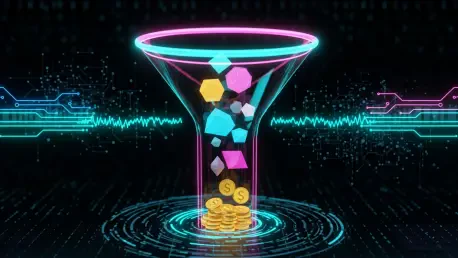

A massive wave of young men is currently funneling millions of dollars into a digital subculture that promises total aesthetic transformation through extreme and often dangerous physiological modifications. This phenomenon, widely known as looksmaxxing, has evolved from a niche internet hobby into a highly sophisticated business model that systematically exploits deep-seated male insecurities for profit. Influencers in this space operate with the efficiency of modern venture capitalists, using algorithmic outrage to capture attention before moving their audience through a meticulously designed conversion pipeline. By treating the human face and body as a series of optimization problems to be solved with capital, these creators have managed to build high-margin revenue streams that bypass traditional media gatekeepers. This trend marks a significant shift in how personal identity is marketed in the digital age, blending radical ideology with aggressive commercialization to create a volatile marketplace where biology itself becomes a tradable commodity for those seeking social status.
The Mechanics of the Conversion Funnel
Phase One: Leveraging Shock Value and Hardmaxxing
The initial stage of this monetization funnel relies on shock-value arbitrage to break through the noise of the saturated digital health and fitness market. Influencers frequently promote “hardmaxxing,” a term used to describe extreme and often pseudoscientific physical alterations that border on self-harm. This includes practices like “bonesmashing,” where individuals intentionally strike their facial bones to create micro-fractures, believing that the resulting scar tissue will heal into a more rugged or attractive bone structure. By blending these dangerous behaviors with the off-label use of chemical enhancers and experimental peptides, creators generate massive spikes in engagement fueled by both curiosity and public outrage. This reliance on morbidity and volatile behavior allows them to capture the attention of a massive audience that is increasingly desensitized to conventional fitness advice. The goal is to establish a dominant presence through the sheer extremity of the content, positioning the creator as an unfiltered source of truth in an industry perceived as overly cautious.
This aggressive content strategy effectively converts digital curiosity into a captive top-of-funnel audience that is primed for more exclusive engagement. As viewers become habituated to the extreme aesthetics and rhetoric, they begin to internalize the idea that standard self-improvement is insufficient for their needs. The influencer leverages this psychological vulnerability by creating a sense of urgency, suggesting that traditional methods are failing and that only “secret” or radical techniques can yield results. This dynamic creates a high-intensity feedback loop where the creator’s willingness to push boundaries serves as a proxy for their authority on the subject. By consistently delivering content that shocks the system, they ensure a steady stream of new followers who are looking for a shortcut to social or aesthetic dominance. This phase is critical for building the raw numbers necessary to sustain a profitable business model, as it provides the social proof and broad visibility required to move users into more profitable, private sectors of the influencer’s ecosystem.
Phase Two: Transitioning to Closed-Loop Subscription Models
Once a significant following has been established on mainstream platforms like TikTok, the business model shifts toward creating closed-loop ecosystems that protect the creator from the risks of content moderation. Influencers migrate their most dedicated fans into private subscription communities, often hosted on platforms like Discord or proprietary apps, where they can operate with even less oversight. These digital enclaves, such as the widely discussed “Clavicular’s Clan,” provide a stable stream of recurring revenue through monthly membership fees that can reach hundreds of dollars. Within these spaces, users pay for access to “proprietary” facial ranking scales and hyper-specific advice on everything from eyelid shape to jawline definition. This transition ensures that the influencer’s financial stability is no longer tied to the whims of an algorithm but is instead based on a loyal subscriber base that views the creator as an indispensable mentor. This move effectively scales digital radicalization into a commercial asset.
The final stage of the funnel involves translating this digital clout into real-world leverage by relocating to high-status markets like Miami. In this environment, the influencer becomes a “lifestyle asset” for elite nightclubs and restaurants, trading their ability to draw high-spending, tech-wealthy crowds for equity in hospitality ventures. This transition marks the shift from being a mere internet persona to becoming a tangible player in the physical hospitality industry, using their followers as social leverage to secure lucrative partnerships. By positioning themselves as the face of an exclusive subculture, they can demand high fees and equity stakes that provide a layer of financial security beyond digital advertising. This strategy allows them to monetize their audience through high-end hospitality and networking, providing a layer of prestige that a computer screen cannot offer. It is a defensive diversification strategy that ensures a revenue stream that does not rely on tech algorithms, effectively turning a niche subculture into a physical business empire.
The Ideology and Its Physical Toll
The Core Philosophy: Monetizing Aesthetic Determinism
Central to the business model is the integration of the Blackpill philosophy, which convinces young men that their social and reproductive worth is determined solely by fixed physical metrics. By framing self-improvement as a rigid, quasi-scientific pursuit involving precise facial geometry, creators turn personal insecurities into a measurable market. Followers are led to believe they are trapped by their genetics, creating a captive audience that feels it must pay for “secrets” to escape perceived social limitations. This commodification of biology allows influencers to sell a sense of agency to those who feel inherently powerless. The influencer acts as a gatekeeper to a perceived elite status, suggesting that through enough financial and physical investment, one can overcome their natural limitations. This ideology creates a captive audience that is perpetually dissatisfied with their own reflection, ensuring a continuous demand for new “optimization” products and consulting services that promise to fix allegedly fatal aesthetic flaws in their bone structure.
The monetization of this philosophy often manifests through high-priced facial audits where influencers use software to analyze a client’s proportions and provide a list of surgical or behavioral corrections. These audits are frequently marketed as objective data, yet they rely on subjective beauty standards that are intentionally designed to be unattainable for the average person. By creating a problem that only the influencer can supposedly solve, the business model generates a cycle of perpetual consumption. Users are encouraged to view themselves as a series of technical errors that require expensive “patching” through various products, supplements, and even surgical referrals. This dynamic turns the human experience of physical variation into a series of technical debt problems. As long as the follower believes their social failure is tied to a specific millimeter of bone, they remain locked into the creator’s ecosystem. The financial return is maximized by keeping the follower in a state of constant, quantified self-hatred that can only be relieved by the next purchase.
Future Resilience: The End of High-Risk Models
Maintaining the “Chad” archetype required for credibility comes with a steep biological cost function that is often hidden from the public eye. To serve as a living proof of concept, many influencers rely on long-term steroid use and unregulated peptide stacks, leading to irreversible health consequences such as permanent cardiovascular damage and infertility. In this model, the human body is essentially treated as a disposable asset, sacrificed to maintain the aesthetic standards necessary to keep the monetization funnel flowing at peak efficiency. The pressure to remain “camera-ready” at all times forces these individuals into a cycle of substance abuse that can have long-term consequences. Despite the professional risks, the financial rewards of being a top-tier lookmaxxing icon often outweigh the personal health considerations in the short term. The market demands constant visual proof of the system’s efficacy, which creates an environment where health is secondary to the visual representation of success. This physical toll is a silent but mandatory tax on the creator’s long-term viability.
Observers of this trend noted that the long-term survival of any brand in this space required a shift toward more sustainable and health-conscious models of self-improvement. Successful strategies eventually decoupled the idea of personal growth from high-risk behaviors, as the trajectory of exploiting psychological vulnerability led to a predictable cycle of total exhaustion. Leaders in the field focused on actionable next steps, such as establishing transparent health protocols and moving away from unregulated chemical enhancements. By prioritizing emotional resilience and realistic physical goals, these communities began to mitigate the damage caused by the initial wave of radicalization. This transition allowed for the creation of a more stable environment where young men were encouraged to pursue health without sacrificing their long-term well-being or financial security. The move toward holistic development effectively neutralized the predatory aspects of the conversion funnel, ensuring that self-improvement remained a constructive pursuit. This shift in the industry set the stage for a more mature and responsible approach to male identity and fitness.