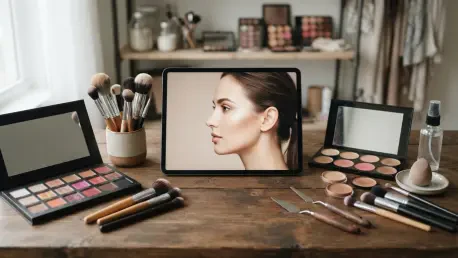

Integrating artificial intelligence virtual try-on technology allows marketing agencies to transform static product advertisements into dynamic, interactive engines that drive consumer engagement and purchase intent. In the marketing landscape of 2026, the standard for digital advertisements has shifted from passive viewing to active participation. By combining the massive scale of artificial intelligence-generated user content with the scientific precision of augmented reality, agencies can produce marketing materials that are both high-volume and product-accurate. This guide provides a comprehensive workflow for integrating virtual try-on into a digital marketing strategy to significantly increase ad recall and shopper confidence. Practitioners should possess basic familiarity with digital asset management and social media campaign structures before beginning this procedure.
Execute an AI Virtual Try-On Campaign
1. Choose a Method
Select a specific campaign goal and a hero format based on the client’s product category and current marketing objectives. For beauty and skincare brands, a social media try-on challenge is highly effective for encouraging user participation and generating organic visibility. In the fashion and accessories sector, a creator kit is often the superior choice, as it allows influencers to digitally swap product shades or styles without the need for physical shipping of entire collections. For high-end luxury items like jewelry or watches, interactive video ads provide a premium experience where viewers sample products directly within the ad placement. This approach mimics the physical sampling process without the logistical costs of distributing physical testers. When choosing a method, prioritize the specific platform where the target audience is most active, such as TikTok for shade challenges or premium web placements for luxury goods.
Check the result by ensuring the chosen format aligns perfectly with the primary key performance indicators. For a makeup campaign, the success indicator is typically the try-on rate, while for luxury jewelry, the focus should be on ad recall and brand linkage. If the format does not naturally lead to the collection of these specific data points, the method must be reassessed to ensure it meets the client’s return on investment requirements.
2. Prepare the Accounts
Digitize the product stock-keeping units to make them compatible with the virtual try-on engine. This involves converting physical product attributes into high-fidelity digital assets that the artificial intelligence can render in real-time. For categories such as makeup, clothing, and certain types of jewelry, high-quality two-dimensional product images are often sufficient for the rendering engine to create a realistic overlay. However, if the campaign involves footwear or complex eyewear, prepare three-dimensional assets to ensure the product looks accurate from every possible camera angle. Access the existing Perfect Corp. library to determine if the brand’s products are already supported and ready for immediate deployment, which can significantly accelerate the preparation timeline. It is essential to ensure that the lighting and texture of these digital assets match the physical counterparts to maintain brand integrity.
Confirm the assets are correctly digitized by viewing a test render of the product on a standard reference image or a live camera feed. The digital product must sit naturally on the face or body, following the movements of the user without lag or misalignment. If the product appears to float or if the colors shift significantly under different lighting conditions, the digital files must be refined before moving to the generation phase.
3. Generate the Try-On Assets
Use an artificial intelligence application programming interface or an online editor to batch-create visual assets for the creative team. If the agency utilizes automated agents for content production, connect via a developer-friendly interface like the YouCam MCP to request specific looks using plain language. This allows for the rapid creation of dozens of variations, such as different makeup looks on various skin tones or different watch styles on diverse wrist sizes. Ensure these assets represent the exact colors and fits of the physical products by using the digitized stock-keeping units as the primary source of truth. Automated tools can help generate talking-head ads, unboxing clips, and various marketing hooks that use the accurate virtual try-on renders as the focal point. This step effectively solves the problem of creative fatigue by providing a constant stream of new, product-accurate visuals for social media feeds.
Verify the output by comparing the digital render against the physical product stock-keeping unit in a controlled environment. This comparison is vital to prevent errors like the common orange-tint issues in foundation matching or incorrect metallic reflections in jewelry, which can lead to high return rates and consumer dissatisfaction. If the digital asset fails to mirror the physical product’s appearance accurately, adjust the rendering parameters within the artificial intelligence editor until a perfect match is achieved.
4. Layer the Creator Story
Incorporate the accurate try-on renders into a narrative framework using either human influencers or artificial intelligence-generated content pipelines. Brief the creators to use the virtual try-on assets for specific content types, such as before-and-after clips, styling lookbooks, or every-shade reaction videos. For example, an influencer can demonstrate how a single lipstick shade looks across multiple lighting environments or how different eyewear frames suit various face shapes, all through digital swapping. This allows for flexible storytelling while keeping the product representation brand-safe and consistent across hundreds of pieces of content. The narrative should focus on solving a consumer problem, such as finding the perfect foundation match or choosing the right accessory for an outfit, using the try-on technology as the primary solution. This step bridges the gap between technical utility and emotional engagement.
Check the result by reviewing the final content pieces for a seamless blend between the interactive product and the video hook. The transition between the creator’s storytelling and the interactive try-on element must feel natural and intuitive for the viewer. If the product render looks artificial or if the call to action to try the product is obscured, the content should be edited to ensure the virtual try-on remains the hero of the advertisement.
5. Close the Loop
Deploy the highest-performing content into interactive ad placements on platforms such as TikTok, YouTube, or premium web environments. Use the data gathered from viewer interactions to inform the next stage of the marketing strategy. Specifically, analyze which shades, styles, or frames were tried on most frequently by the audience, as this provides valuable first-party insight into consumer preferences. For instance, if a specific shade of red lipstick receives the highest engagement in an interactive ad, that shade should be featured more prominently in future static advertisements and email marketing. Results from previous campaigns show that interactive video ads can lead to a forty-three percent higher ad recall and a thirty-six percent higher purchase intent compared to traditional video formats. This data allows the agency to move beyond simple vanity metrics and focus on actual consumer behavior and intent.
Confirm success by measuring the lift in purchase intent and ad recall compared to previous non-interactive video campaigns. Use brand lift studies and platform-specific analytics to track the journey from the initial try-on interaction to the final purchase. If the data shows a significant increase in engagement and a decrease in cost per acquisition, the campaign is considered successful. Use these insights to optimize the next creative brief, ensuring a continuous cycle of improvement based on real-time user data.
Recap of the Steps
To drive high-impact marketing, a practitioner must first define the campaign format and digitize the product stock-keeping units to ensure technical compatibility. Following this, the generation of high-fidelity digital assets allows for the batch production of creative materials that maintain product accuracy. These assets are then handed to creators to build a compelling narrative that incorporates the interactive technology into a relatable user story. Finally, the campaign is launched across interactive ad placements, where the resulting first-party data is used to measure success and optimize future marketing cycles. This systematic approach ensures that every step of the process contributes to a measurable increase in brand awareness and consumer trust.
Conclusion
Successful artificial intelligence virtual try-on marketing moves beyond mere novelty to provide genuine utility for the shopper. When consumers can see exactly how a product fits their unique features, the psychological barrier to purchase is significantly lowered. It is essential to always prioritize product accuracy over creative flair to maintain brand trust and reduce the likelihood of product returns. For agencies looking to scale, starting with a single client pilot and one specific format, such as a shade-matching challenge, is the best way to establish a baseline for return on investment. As the technology continues to evolve throughout 2026 and beyond, the integration of these interactive elements will become a mandatory component of any high-performing digital marketing roster. Final advice for practitioners is to focus on the data gathered during the try-on process, as this information is often more valuable for long-term strategy than the immediate clicks generated by the advertisement. Consistent testing and refinement of the digital assets will ensure that the virtual experience remains indistinguishable from the physical one, fostering long-term customer loyalty and brand authority in an increasingly competitive digital marketplace.