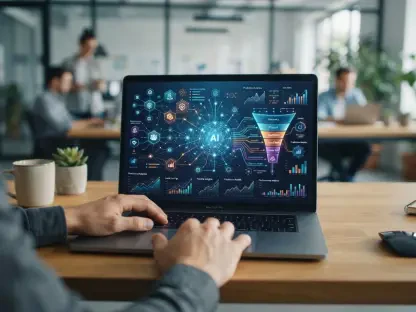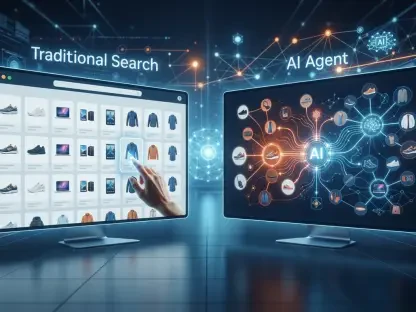

If outreach from an autonomous agent feels tone-deaf or spammy, brands risk damaging their reputations and alienating the very influencers they seek to partner with. This specific challenge lies at the heart of Nectar’s latest technological breakthrough, which seeks to modernize an influencer marketing industry that has grown to a value of over $21 billion. Despite the massive scale of this market, operational workflows have traditionally remained stuck in a cycle of manual labor, characterized by fragmented platforms and endless email chains. Nectar’s autonomous agent represents a departure from these traditional bottlenecks by providing a unified, self-managing ecosystem. By overseeing the entire lifecycle of a creator partnership—from the initial spark of talent discovery to the finalization of legal contracts—the system aims to resolve the friction that prevents brands from scaling their influencer efforts efficiently. This shift marks a transition where technology no longer serves as a mere tool but acts as a proactive participant.
Core Functionalities: The Mechanics of Nectar
Automated Discovery: Vetting through Intelligent Algorithms
The Nectar agent operates by systematically crawling major social media platforms to perform autonomous discovery and deep vetting of talent. Instead of relying on static databases that often contain outdated information, the AI analyzes real-time engagement rates, audience demographics, and the nuanced quality of a creator’s content. This ensures that every recommendation is backed by a high-probability match for the brand’s specific campaign goals and budget constraints. By identifying niche, high-quality creators who might be overlooked by human scouts using traditional search methods, the platform effectively democratizes access to lucrative brand opportunities for a wider range of influencers. This data-driven approach moves beyond superficial follower counts to evaluate the underlying sentiment and visual alignment between a creator and a brand. Consequently, companies can achieve a more precise and authentic connection with their target audiences while reducing the time spent on manual research.
Dynamic Management: Real-Time Optimization and Negotiation
Beyond the initial identification of talent, the system handles the more complex aspects of partnership management through automated negotiation and dynamic performance tracking. One of the most sophisticated elements of this AI agent is its ability to monitor the progress of active campaigns in real-time. If the data indicates that a particular partnership is not meeting its expected benchmarks mid-campaign, the agent can autonomously reallocate the remaining advertising spend toward higher-performing creators. This level of responsiveness ensures that a brand’s budget is always optimized for the highest possible return on investment without requiring constant human intervention. The AI also manages the intricacies of contract terms and payment schedules, streamlining the logistical hurdles that traditionally delay campaign launches. This creates a more agile marketing environment where strategies can be adjusted on the fly to meet evolving consumer behaviors, providing a level of operational flexibility that was previously unattainable through human-managed workflows.
The Broader Shift: Evolution of Marketing Technology
Integrating Autonomy: The Transition from Tools to Agents
The introduction of Nectar’s agent coincides with a larger wave of autonomous agents currently reshaping the enterprise landscape across various industries. This development mirrors recent milestones observed at major technology firms like Amazon, which has utilized autonomous agents for infrastructure emulation, and Perplexity, which has focused on specialized workplace AI tools. While established players in the influencer marketing space have long offered robust analytics, they typically remain reliant on significant human oversight for final decision-making and relationship management. Nectar distinguishes itself by moving from these human-in-the-loop tools to truly autonomous systems that learn from historical performance and adapt their strategies contextually. This signifies a move away from simple automation based on rigid rules toward a more sophisticated model of artificial intelligence. By integrating these capabilities, brands can move toward a “lights-out” marketing operation where the AI handles the repetitive administrative tasks that currently consume hours of professional time.
Navigating Risks: The Paradox of Authenticity and Data
While the technical capabilities are impressive, the transition to autonomous agents introduces a unique set of risks that center on the authenticity paradox. Influencer marketing is fundamentally built on human relationships and the perception of a genuine connection between a creator and their audience. There is a valid concern among industry experts that creators may feel commoditized or disrespected if they find themselves negotiating primarily with algorithms rather than human brand representatives. If the AI-driven outreach lacks the necessary nuance or sensitivity to a creator’s personal brand, it could lead to a disconnect that undermines the very trust that makes influencer marketing effective. Furthermore, the long-term viability of these agents depends heavily on continued access to social media platform data. As platforms like TikTok and Instagram move toward greater data protectionism, any restrictions on API access could limit the agent’s ability to crawl content and verify statistics. Balancing technical efficiency with the need for a personal touch remains a critical hurdle for brands.
The Ecosystem Impact: Redefining Professional Partnerships
Professional Evolution: The Future Role of Marketers
As these autonomous systems begin to handle the administrative grunt work of influencer vetting and outreach, the professional roles of human marketers are destined to evolve. The shift is expected to move the focus of internal teams away from repetitive tasks like managing spreadsheets and toward high-level creative strategy and overarching brand governance. This evolution will likely require a radical change in how marketing agencies and departments are structured, placing a higher premium on strategic vision and the ability to direct AI workflows rather than executing them manually. The challenge for modern marketers will be to find the right balance between the efficiency of the machine and the creative spark that only a human can provide. As the industry watches this transition unfold, the emphasis will increasingly be on how humans can act as architects of the system, setting the guardrails and objectives while allowing the autonomous agent to handle the logistical execution. This transformation could lead to a more creative and strategic era for the entire advertising ecosystem.
Strategic Recommendations: Actionable Insights for Implementation
The launch of Nectar’s autonomous agent signaled a transformative moment that forced brands to rethink their long-term creator strategies. Industry leaders found that the initial implementation required a careful recalibration of how human oversight interacted with automated systems. Organizations that successfully navigated this change moved beyond viewing influencers as mere transactional assets and instead used the time saved by AI to cultivate deeper, more strategic partnerships. Moving forward, marketing teams were encouraged to establish clear ethical guidelines and brand voice protocols to ensure that autonomous outreach remained personal and respectful. The success of this technology ultimately depended on the ability to maintain the human-centric nature of the creator economy while embracing the scale and speed of artificial intelligence. Looking ahead, the primary focus shifted toward developing hybrid models where human creativity set the direction and autonomous agents handled the massive operational load. This approach allowed for a more sustainable and scalable influencer marketing landscape that respected both brand efficiency and creator integrity.