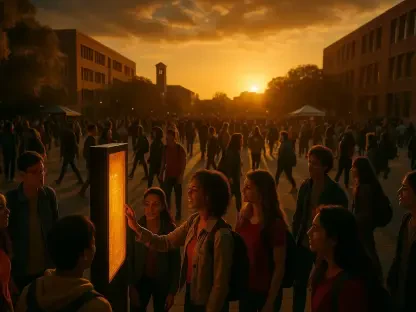

The sheer magnitude of the 2026 FIFA Men’s World Cup represents a definitive shift in the landscape of international sports, as the tournament returns to North American soil for the first time in over three decades. With forty-eight teams competing across sixteen host cities in the United States, Mexico, and Canada, the logistical complexity is unprecedented, offering advertisers a massive canvas that essentially functions as fourteen Super Bowls scheduled consecutively. Marketing experts highlight that this expanded format allows for a prolonged engagement period, moving brands away from the traditional, fleeting thirty-second television spots toward sophisticated, multi-platform narratives that span several weeks. This transformation into a continental festival means that the tournament is no longer just a series of soccer matches but a global cultural event with projected record-breaking viewership numbers across digital and linear platforms. The strategic focus for the tournament has moved beyond mere brand awareness, aiming instead for deep integration into the daily rituals and cultural fabric of a diverse global audience. By leveraging the unique geography of North America, companies are positioning themselves to capture the attention of billions of fans, ensuring that their messaging is not just seen but experienced in a way that aligns with the evolving habits of modern consumers who demand more than passive entertainment.
Strategic Foundations: The Evolution of Sports Marketing Themes
Technology has transitioned from a background sponsorship element to an essential utility that fundamentally powers the tournament’s operational success and fan engagement. Brands like Lenovo are moving beyond simple logo placements to demonstrate how artificial intelligence and advanced network infrastructure facilitate the massive data requirements of a multi-nation event. This shift allows tech companies to showcase their enterprise capabilities in real-time, providing the hardware and software necessary to manage everything from ticket sales to international broadcast centers. By positioning their products as the backbone of the tournament, these organizations prove their reliability to a global business audience while simultaneously enhancing the experience for individual fans. This functional integration ensures that the brand is perceived as an indispensable partner rather than a mere financier, bridging the gap between high-level corporate services and the tangible excitement of the matches happening on the field. The result is a narrative of technological empowerment that resonates with a world increasingly reliant on seamless digital connectivity and intelligent infrastructure.
There is a significant and strategic emphasis on demographic inclusivity, particularly concerning the massive Hispanic population throughout North America. Brands are increasingly viewing soccer as a powerful cultural bridge that allows them to reach diverse communities through tailored, culturally relevant messaging that acknowledges the sport’s deep-rooted significance. Instead of simply translating English campaigns, advertisers are creating original content that reflects the unique traditions and passions of different fan bases, ensuring a more authentic connection. This approach recognizes that the tournament is a unifying force that transcends linguistic barriers, providing a rare opportunity to build long-term loyalty among demographics that are traditionally underserved by mainstream sports marketing. By celebrating the heritage and communal aspects of the game, companies can foster a sense of belonging that extends far beyond the final whistle. This inclusivity is not just a social imperative but a business necessity, as brands compete for the attention of a multicultural audience that is reshaping the consumer landscape across the entire continent and the global stage.
The prevailing tone of major advertising campaigns has moved away from the slapstick humor of previous years toward a more serious, purpose-led messaging strategy that prioritizes empathy and social values. Companies are choosing to align themselves with modern consumer expectations by focusing on themes such as body confidence, environmental sustainability, and social equity. This shift reflects a deeper understanding of the audience’s desire for brands to represent more than just a product, seeking instead to reflect the values of the fans themselves. By addressing real-world challenges through the lens of sport, advertisers can build a more meaningful identity that resonates on an emotional level. This strategy is particularly effective in a global tournament where the spirit of competition is balanced by a shared sense of humanity and international cooperation. While lighthearted content still has a place, the most impactful narratives are those that challenge stereotypes or advocate for positive change, creating a lasting legacy that outlives the immediate excitement of the tournament matches.
Technological Infrastructure: Powering the Modern Fan Experience
Lenovo is solidifying its position as the primary technological partner by taking direct responsibility for the AI operations and infrastructure that sustain the tournament’s global reach. From managing the complex data flows at the international broadcast center to ensuring that team headquarters have the necessary computing power, the focus is on achieving a flawless performance under extreme pressure. This narrative of reliability is designed to appeal to both enterprise clients looking for robust technical solutions and general consumers who expect seamless digital interactions. By demonstrating how their technology handles the logistical nightmare of a 48-team tournament, Lenovo effectively creates a live, high-stakes demonstration of its product capabilities. This strategy effectively turns the entire event into a massive case study for digital transformation, showing how modern hardware can solve the most complex organizational challenges. The integration of AI into the core of the tournament’s operations marks a new era where technology is the silent but powerful engine that enables the global spectacle to unfold without interruption.
Google is focusing on the practical utility of its artificial intelligence tools to transform how fans discover and interact with information about their favorite players and teams. By enhancing search capabilities with AI-driven insights, the company provides a more immersive experience for fans who want to dive deeper into the statistics and history of the sport. Simultaneously, the push for YouTube TV as a primary destination for “cord-cutters” highlights a significant shift in how live sports are consumed, moving away from traditional cable toward flexible digital platforms. This strategy emphasizes the convenience of modern streaming, offering features like multi-view and real-time highlights that are specifically designed for the needs of a fast-paced tournament. By positioning its ecosystem as the most intuitive way to follow the games, Google is capturing a younger, tech-savvy demographic that values accessibility and personalization. This dual focus on information and delivery ensures that the company remains a central hub for the soccer-watching experience, providing the tools that fans need to stay informed and connected regardless of where they are.
Verizon’s strategy centers on the massive scale of connectivity required to broadcast over one hundred matches across three vast nations, showcasing its network as the indispensable backbone of global communication. The emphasis is on how high-speed telecommunications enable billions of people to access the games simultaneously, whether they are in a stadium or watching on a mobile device in another hemisphere. This focus on the role of the network as a connector highlights the essential nature of modern infrastructure in facilitating shared human experiences on a global scale. By demonstrating the strength and reliability of its 5G and fiber capabilities, Verizon aims to prove that it can handle the most demanding data environments in existence. This narrative of connection is particularly powerful during a tournament that spans an entire continent, emphasizing the ability of technology to shrink distances and bring people together. The brand’s presence is felt not through traditional ads, but through the seamless delivery of the very content that the world is waiting to see, reinforcing its status as a leader in the telecommunications industry.
Beverage Innovations: Rituals and the Social Fabric of Sport
Coca-Cola is maintaining its long-standing relationship with the tournament by focusing on high-energy anthems and the visceral intensity that defines the peak emotional moments of the game. Their marketing strategy leverages music and vibrant visual storytelling to capture the euphoria of a goal or the tension of a penalty shootout, positioning the product as a constant companion to these shared experiences. By focusing on the emotional highs, the brand seeks to become synonymous with the joy and passion of the sport, creating a Pavlovian connection between the celebration of a win and the refreshment of their beverage. This approach transcends specific match results, focusing instead on the universal feeling of excitement that unites fans across different cultures and languages. The use of global music stars and localized anthems ensures that the campaign remains relevant in every host city while maintaining a consistent international message. This strategy reinforces the idea that soccer is a rhythmic, high-intensity experience that is best enjoyed with a drink that matches the energy of the crowd.
The “Watch Party” ecosystem has become a critical priority for snack and hydration brands like Lay’s and Powerade, who are working to make the sport accessible to every level of fandom. By using a blend of humor and practical advice, these brands address the occasional stigma of being a “bandwagon” fan, encouraging everyone to join the celebration regardless of their soccer knowledge. This strategy recognizes that the majority of viewers will be watching from their living rooms, turning the home into a secondary stadium where snacks and proper hydration are essential equipment. Powerade, in particular, focuses on the preparation and recovery aspects of the sport, appealing to the millions of amateur players who are inspired by the professionals on screen. Meanwhile, Lay’s uses its massive retail presence to create themed packaging and flavor profiles that reflect the diverse culinary traditions of the participating nations. By positioning themselves as the “fuel” for both the fan and the athlete, these brands ensure they are a staple of the social gatherings that define the World Cup experience.
The hospitality sector and the alcohol industry are leaning heavily into the revitalization of local economies by sponsoring thousands of organized watch parties at neighborhood bars and public squares. Some brands are creating dedicated programs that incentivize fans to treat their local establishments as social hubs, fostering a sense of community that cannot be replicated at home. This strategy supports small businesses while cementing the brand’s place as a facilitator of social interaction and shared celebration. By transforming local venues into branded fan zones, these companies create a physical environment where the brand is an integral part of the atmosphere. This focus on the communal experience acknowledges that soccer is a social sport, and the most memorable moments are often those shared with friends and strangers alike. The move toward supporting local hospitality also aligns with a broader consumer trend toward valuing local engagement and authentic social experiences. This localized approach ensures that the global tournament has a tangible, positive impact on the communities where fans gather to watch the matches.
Luxury spirits are establishing a unique space within the tournament by positioning high-end celebrations as a key component of the lifestyle associated with international sport. Through the use of celebrity endorsements and the release of limited-edition products, these brands cater to a segment of the audience that views the World Cup as a premium social event. This strategy moves beyond the rowdy atmosphere of the bleachers to target the corporate suites and upscale viewing parties where the tournament is celebrated as a moment of sophisticated success. By aligning themselves with the prestige of a global championship, luxury brands can enhance their own brand equity and appeal to affluent consumers who are willing to invest in high-quality experiences. This approach highlights the dual nature of the tournament as both a grassroots passion and a high-stakes arena for global elites. The presence of premium spirits at official events and exclusive after-parties reinforces the idea that the World Cup is a multifaceted cultural phenomenon that offers something for every level of consumer, from the casual fan to the luxury seeker.
Home Integration: The Transformation of Retail and Personal Care
Coffee and functional beverage brands are strategically positioning themselves as the essential catalyst for what is being called the “third half,” which is the period of intense debate and social media discussion that follows every match. By targeting the time after the final whistle, these companies aim to be the energy source that powers the post-game analysis and the anticipation for the next round of fixtures. This strategy extends the brand’s relevance beyond the ninety minutes of play, integrating it into the daily routine of fans who are constantly checking scores and discussing highlights. The focus is on the functional benefit of staying alert and engaged in a tournament that, due to time zone differences across North America, can require fans to stay up late or wake up early. By becoming a part of the “debate culture” that surrounds modern sports, these brands ensure they are top-of-mind when fans are at their most vocal and engaged. This move toward lifestyle integration recognizes that the modern sports fan is a twenty-four-hour consumer who remains connected to the tournament long after the players have left the pitch.
Food delivery giants are launching their most ambitious global campaigns to date, focusing on the sheer convenience of the home viewing experience during a tournament with such a high volume of matches. The central message is that no fan should have to sacrifice their viewing time to cook or run errands, positioning delivery services as the ultimate logistical partner for the dedicated supporter. These campaigns highlight the speed and reliability of their networks, often using real-time data to offer promotions that coincide with halftime or the conclusion of major games. By emphasizing the “home stadium” concept, these brands tap into the growing trend of high-quality, domestic entertainment where the comfort of the living room is enhanced by the ease of professional service. This strategy effectively turns every meal into an opportunity for brand engagement, making the delivery app as essential to the match-day ritual as the television itself. The goal is to build a habit of convenience that persists long after the tournament ends, establishing the brand as a reliable utility for all major entertainment events.
Home goods retailers and DIY brands are marketing their products as the necessary infrastructure for creating the perfect viewing environment, transforming the living room into a professional-grade fan zone. They encourage consumers to invest in new furniture, sound systems, and outdoor setups that are specifically designed to host large groups of friends and family. This strategy turns the World Cup into a reason for home improvement, moving beyond simple product sales to offer a complete lifestyle solution for the modern host. By providing tips on how to optimize a space for sports viewing, these brands position themselves as experts in domestic comfort and social organization. This approach recognizes that for many fans, the tournament is a primary social outlet, and the environment in which they watch the games is a reflection of their passion and hospitality. The move toward “branded fan zones” within the home allows these retailers to capture a larger share of the consumer’s entertainment budget, ensuring their products are the literal foundation of the World Cup experience.
Personal care brands are utilizing the massive global platform of the tournament to address significant social issues, such as body confidence among young athletes and the importance of physical well-being. By highlighting the raw physical intensity and the literal sweat involved in competing at the highest level, these companies can market their products in a way that feels both authentic and aspirational. This combination of social advocacy and clear product benefit resonates with a younger generation that values transparency and social responsibility from the brands they support. The campaigns often feature the stories of players who have overcome personal challenges, emphasizing resilience and self-belief as much as athletic performance. This strategy allows the brand to move beyond the bathroom cabinet and into the realm of personal identity and empowerment. By aligning their products with the pursuit of excellence and the reality of physical exertion, personal care brands establish themselves as essential tools for both the elite professional and the everyday individual striving for their own goals.
Emerging Frontiers: Logistics, Gaming, and Financial Synergy
The financial and travel sectors are leveraging the star power of legendary players to navigate the complex logistical realities of a tournament that spans thousands of miles and three different nations. These brands emphasize that community and connection are possible regardless of where the game is played, from high-end hotels in New York to mobile payment kiosks at a stadium in Mexico City. By focusing on the ease of travel and the security of global financial transactions, they address the very real concerns of fans who are navigating unfamiliar territory to support their teams. This strategy highlights the brand’s role in facilitating the physical journey of the fan, providing the peace of mind necessary to focus on the excitement of the competition. Celebrity endorsements from retired icons add a sense of history and prestige, bridging the gap between the legends of the past and the travelers of today. This focus on global mobility and financial synergy ensures that the brand is seen as a facilitator of dreams, helping fans overcome the practical hurdles of attending a continent-wide sporting event.
Gaming platforms and virtual environments like Roblox are providing brands with a direct line to younger demographics who may experience the World Cup primarily through digital avatars and interactive worlds. Companies are creating branded mini-games and virtual fan zones where users can compete, socialize, and collect digital gear that reflects their favorite teams. This strategy recognizes that for a significant portion of the audience, the digital world is just as real and important as the physical one, and brand presence in these spaces is essential for long-term relevance. By offering an interactive experience that goes beyond passive viewing, brands can foster a deeper level of engagement and creativity among younger fans. These virtual worlds also provide a safe and accessible way for fans who cannot attend the matches in person to feel like part of the global community. This shift toward digital-first engagement shows a sophisticated understanding of the changing nature of fandom, where the boundaries between the physical game and the virtual world are increasingly blurred.
Life-stage marketing and human-centric narratives are helping brands reach niche demographics by focusing on the emotional authenticity of the fan experience rather than just the score on the board. Some companies are using humor to portray the challenges of timing major life events, such as weddings or family gatherings, around the rigorous tournament schedule. This approach prioritizes the “human” element of being a sports fan, acknowledging that the World Cup often disrupts and enhances our personal lives in equal measure. By telling stories that reflect the real-world complications and joys of the average supporter, brands can build a level of relatability that traditional, high-gloss advertising often lacks. This focus on emotional authenticity is a powerful way to stand out in a crowded media landscape, as it speaks directly to the shared experiences of the audience. This strategy ensures that the brand is perceived as a participant in the culture of fandom, understanding the sacrifices and the passion that drive people to follow the sport with such intensity across the globe.
Strategic Evolution: The Path Forward for Global Sport Sponsorships
The brands that navigated the lead-up to the 2026 FIFA World Cup did so by prioritizing authentic integration over traditional interruption, establishing a new blueprint for how corporate entities interact with global spectacles. They moved away from the outdated model of simply buying attention and instead focused on adding value to the fan experience through technological utility, cultural inclusivity, and emotional resonance. This approach allowed companies to become part of the narrative of the tournament, rather than just a commercial break between the action. By addressing the specific logistical and social needs of a diverse, continent-wide audience, these organizations demonstrated a sophisticated understanding of modern consumer behavior. The success of these strategies was rooted in the ability to balance global scale with local relevance, ensuring that the brand message felt personal even when delivered to billions of people simultaneously. This evolution in marketing represented a move toward a more holistic partnership between sport and industry, where the success of one was intrinsically linked to the engagement and satisfaction of the other.
Looking beyond the current cycle, the focus shifted toward maintaining the momentum and loyalty generated during these high-intensity weeks. The transition from a tournament sponsor to a long-term cultural partner required a commitment to the values and communities that were celebrated on the world stage. Brands were encouraged to continue their investment in grassroots initiatives and digital infrastructure to ensure that the connections made during the matches did not fade after the trophy was lifted. The integration of AI and high-speed connectivity was no longer an experimental feature but a standard expectation for any major event, setting a high bar for future sponsorships. By treating the World Cup as a catalyst for permanent brand evolution rather than a one-time sales opportunity, companies secured a place in the daily lives of consumers that persisted far into the future. This forward-looking perspective ensured that the investments made during the tournament yielded sustainable growth and a lasting legacy within the global sporting landscape.