
By transforming a routine health product into a central player in a city-wide mystery, the brand moved beyond the traditional limits of beverage advertising. The strategy relied on creating an immersive world first and selling a product second, an approach that is becoming increasingly prevalent in the hyper-saturated digital landscape of 2026. Instead of broadcasting the immediate benefits of electrolyte powder, the campaign invited the public into a suspenseful narrative where the antagonist was a malevolent force known as The Dryness. This double entendre allowed the brand to occupy two distinct spaces at once: the visceral thrill of a supernatural predator and the physiological reality of dehydration. By mimicking the high-production values of a major cinematic release, the brand effectively bypassed the immediate mental filters that modern consumers use to ignore commercial messaging. This was not just an advertisement; it was a curated experience designed to spark curiosity.
Merging Digital Suspense With Physical Reality
The digital mystery was bridged into the physical world through a series of coordinated street stunts that utilized the concept of leaking fiction. In high-traffic locations across Sydney, including the waterfront and transit hubs, groups of nine women appeared simultaneously, dressed identically to the protagonist seen in the campaign trailer. This tactic relied on a known psychological trigger: while a single person in a specific outfit is easily ignored, a group of identically dressed individuals creates an eerie sense of repetition that suggests a break in reality. Passers-by were not simply looking at performers; they were witnessing what appeared to be the manifestation of the fictional horror film in real time. This level of physical immersion forced engagement from a public that is typically desensitized to static billboards or standard promotional teams, turning the city streets into a stage for a narrative that was still shrouded in mystery and intrigue.
By placing these identically dressed figures in mundane environments, the marketing team successfully eroded the boundary between the audience and the content. This approach to street theater is particularly effective because it encourages organic documentation through smartphones, essentially turning every witness into an unpaid content creator for the brand. As photos and videos of the glitches began to circulate on social media, the mystery gained momentum without the need for traditional media buys or intrusive pop-up ads. The success of this phase depended entirely on the commitment to the bit; the performers did not hand out flyers or carry branded bags. Instead, they remained in character, preserving the integrity of the fictional world and ensuring that the eventual reveal would feel like the resolution of a story rather than the punchline of a joke. This commitment to narrative over sales is what allowed the stunt to achieve such high levels of reach.
Crafting a Cohesive Multimedia Ecosystem
Supporting the physical stunts was a comprehensive ecosystem of unbranded media designed to deepen the sense of a genuine cultural phenomenon. Sinister posters were placed strategically throughout Sydney’s transit hubs, featuring the title of the fake film and haunting imagery but conspicuously lacking any corporate logos or website URLs for the hydration brand. This absence of branding was a calculated risk intended to pique the curiosity of the most skeptical consumers. A dedicated movie website served as the digital hub for the mystery, providing just enough information to keep the conversation going without revealing the commercial nature of the project. By providing a space for theories and community discussion, the brand fostered a sense of ownership among those following the story. The audience felt they were part of an underground movement or a secret discovery, which is a far more powerful emotional connection than the one forged by a standard television commercial.
The campaign also incorporated auditory clues to reward the most observant members of the audience, including the release of a custom song titled All It Has To Do Is Wait. This track was released under the pseudonym Emmie Noll, a name that served as a clever, hidden-in-plain-sight anagram for Lemon Lime, which is one of the brand’s primary product flavors. This layer of detail transformed the marketing campaign into a scavenger hunt, encouraging fans to scrutinize every piece of content for deeper meaning. Such intricate world-building serves a dual purpose: it provides entertainment value for the casual observer while creating a hardcore fan base that feels rewarded for their attention. In the competitive landscape of 2026, where consumer attention spans are shorter than ever, providing these layers of depth ensures that the brand remains top-of-mind for longer periods. It turns a simple product launch into a multi-sensory experience that exists across music, art, and film.
Strategic Seasonal Integration and the Big Reveal
Strategic timing was perhaps the most critical component of the campaign’s logistical execution, as the Halloween season provided a perfect cultural window. During late October, consumers are more psychologically prepared to engage with spooky or theatrical displays, making the appearance of a horror-themed mystery feel timely rather than invasive. This seasonal context allowed the brand to build suspense over several weeks, knowing that the public’s tolerance for the macabre was at its peak. Furthermore, the holiday provided a natural deadline for the big reveal, preventing the mystery from lingering so long that it became frustrating for the participants. By anchoring the narrative to a specific date, the brand created a sense of urgency that compelled people to follow the story to its conclusion. This use of seasonal relevance demonstrates how brands can leverage existing cultural moments to amplify their message without having to build a festive atmosphere from scratch.
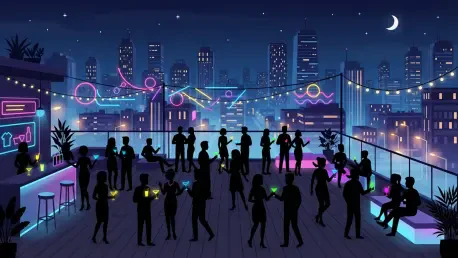
The climax of the campaign took place at a high-profile event at the Old Clare Hotel in Sydney, where the narrative of The Dryness was finally resolved. This transition from a suspenseful horror story to a brand activation allowed for a seamless shift into a direct product encounter. As the film’s mystery was unraveled, the connection between the supernatural predator and the physiological threat of dehydration was made explicit to the attendees. This was the moment where the blind phase of the marketing ended and the functional benefits of the electrolyte powder sachets were introduced. By hosting a rooftop party and a secret cinema screening, the brand ensured that the final reveal was associated with a positive, social experience rather than a cold sales pitch. This approach effectively turned the resolution of a scary story into a celebratory brand moment, ensuring that the audience left with a clear understanding of the product’s utility within their own active lives.
Navigating the Risks of Branded Horror
Hydralyte’s approach is part of a growing trend in 2026 where companies utilize original horror intellectual property to break through the noise of digital advertising. Similar campaigns by major players like Fanta and advocacy groups like PETA have shown that the visceral nature of the horror genre is uniquely suited to capturing and holding human attention. However, this specific campaign was notable for its decision to completely obscure the brand’s identity during the teaser phase. This blind marketing strategy carries significant risks; if the final reveal does not live up to the expectations set by the teaser, consumers may feel manipulated or disappointed. The success of such a venture hinges on the brand’s ability to create a thematic link that feels earned. In this case, the transition from the fear of a monster to the discomfort of physical dehydration provided a clever bridge that justified the preceding weeks of mystery and high-tension storytelling.
For modern marketers, the lesson from this campaign is the importance of providing independent narrative value. The fictional trailer and the street appearances had to be compelling enough to stand on their own, regardless of the brand involved. This entertainment-first philosophy is especially important when targeting younger demographics who have grown up with sophisticated ad-blocking technology and a deep-seated skepticism of corporate messaging. By offering a story that people actually wanted to watch and talk about, the brand earned a place in the cultural conversation that could not be bought with a standard media spend. This shift toward lifestyle-oriented content suggests that the future of marketing lies in the ability to tell stories that resonate on an emotional level before ever mentioning a product’s features. When a brand can inhabit a cultural moment rather than just purchasing ad space within it, the resulting connection with the audience is much more profound.
Lessons From the Intersection of Fear and Function
The execution of the Sydney-based horror stunt provided a blueprint for how brands can successfully leverage the mechanics of suspense to achieve market penetration. Marketers who seek to replicate this success must prioritize the integrity of the narrative and ensure that every touchpoint, from auditory clues to physical performances, remains consistent. One actionable takeaway was the importance of the hidden reveal, which allowed the audience to solve the puzzle themselves rather than being spoon-fed a corporate message. This sense of discovery fostered a deeper level of engagement that outperformed standard promotional tactics. Furthermore, the use of seasonal context demonstrated that timing is just as important as the content itself. By choosing a window where the audience was already primed for the theme, the campaign minimized friction and maximized curiosity. These strategies suggest that future campaigns will continue to blur the lines between entertainment and advertising.
Ultimately, the project demonstrated that the emotional resonance of the horror genre could be effectively harnessed to solve a modern business challenge. The campaign moved beyond the traditional limits of beverage advertising by transforming a routine health product into a central player in a city-wide mystery that captured the imagination of thousands. Looking ahead, the success of such immersive experiences will likely encourage more companies to invest in original intellectual property and long-form storytelling. The transition from The Dryness as a supernatural threat to dehydration as a physical ailment provided a thematic bridge that allowed the brand to inhabit a cultural moment rather than just buying ad space within it. For the industry, the next step involves refining these techniques to ensure that the excitement of the mystery leads to measurable consumer behavior changes. The ability to merge fear and function proved to be a powerful tool for repositioning a brand for a new generation.