
To accurately judge the effectiveness of retail playbooks, brands must move beyond vanity metrics like photo counts to analyze incremental sales and behavioral impacts. This foundational shift reflects a broader evolution in the entertainment sector, where traditional methods of audience engagement are being replaced by high-touch, immersive retail experiences. In the current landscape of 2026, the success of a franchise like KPop Demon Hunters is no longer measured solely by streaming minutes but by the depth of physical participation it commands. This move away from passive viewership toward active engagement represents a fundamental change in how intellectual property is monetized. Instead of merely printing a character’s likeness on a cardboard box, forward-thinking brands are developing comprehensive “fan playbooks” that prioritize the creation of physical spaces where fans can embody the narrative. By providing consumers with a vocabulary of physical interactions—ranging from performance stages to personalized styling—retailers are transforming storefronts into vibrant community hubs that sustain brand relevance long after the initial content release has aired.
The core of this strategy lies in the understanding that modern audiences, particularly those within the global K-pop and digital streaming ecosystems, crave “something to do” rather than just “something to buy.” This distinction is critical for maintaining cultural momentum during the off-season of a major series or film. By leveraging the music, visual aesthetics, and iconic mascots of a property, marketers are creating multi-sensory environments that bridge the gap between digital content and physical consumption. These activations are not designed as generic pop-ups; they are highly specialized environments tailored to specific regional markets and product categories. Whether it is a high-end beauty house in the heart of Seoul or a family-oriented styling salon integrated into a London grocery store, the goal remains the same: to turn the consumer into an active participant in the story. This immersive approach ensures that the brand remains a constant presence in the daily lives of the fans, fostering a level of loyalty that traditional advertising simply cannot replicate.
Global Activations and Regional Strategies
Building Community: The Power of Themed Spaces
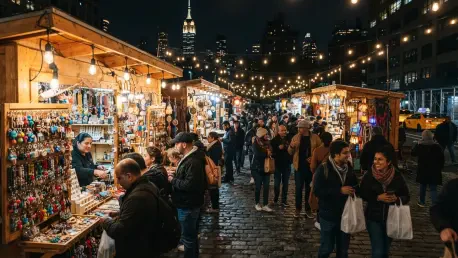
The “Night Market” activation in SoHo, New York City, stands as a premier example of how retail can be used as a tool for narrative world-building. Developed in collaboration with Walmart, this event moved beyond the traditional shelf-browsing experience by recreating the atmospheric tension and vibrant energy of the fictional world. Visitors were encouraged to explore the space as if they were characters within the show, discovering products hidden within the market’s stalls and participating in hands-on activities. One of the most effective elements of this activation was the personalization station, where fans could customize merchandise with unique charms and patches. This turned a standard retail transaction into a creative social event, emphasizing the importance of community and individual agency. By allowing fans to “make” something in the space, the brand created a lasting emotional connection that outweighed the simple utility of the purchased items, effectively proving that physical exploration is a more powerful marketing tool than digital scrolling.
Building on the success of short-term events, the shop-in-shop concept at “The Entertainer” in the Birmingham Bullring took a more permanent approach to retail as entertainment. By installing a dedicated performance stage and hosting regular dress-up demonstrations, the retailer invited fans to step into the shoes of the fictional K-pop groups HUNTR/X and Saja Boys. This strategy transformed the store from a place of mere distribution into a destination for creative play. The longevity of this installation allowed the brand to build sustained foot traffic over several months, rather than relying on the fleeting hype of a single weekend. Fans returned multiple times to participate in different activities, turning the physical store into a recurring touchpoint for the fandom. This model demonstrates how permanent physical installations can serve as a “home base” for a community, providing a consistent venue for fans to express their passion and interact with the brand in a tangible, physical environment that complements the digital experience.
Merging Lifestyle: Beauty and Culinary Experiences
In the competitive market of Seoul, the “Hunters Beauty House” demonstrated the unique ability of entertainment intellectual property to lend credibility to functional lifestyle categories like skincare. By collaborating with brands like Anua and retailers like Olive Young, the activation created a space that mimicked a K-pop group’s professional makeup room. This environmental design was not merely aesthetic; it was a strategic framing device that positioned skincare products as the essential “tools of the trade” for achieving a specific, character-inspired look. Fans were not just buying lotion; they were investing in the lifestyle of their favorite performers. This category-specific approach allowed the beauty brand to tap into the emotional resonance of the series, providing a narrative justification for the product’s efficacy. By linking fictional styling directly to real-world beauty routines, the activation successfully bridged the gap between fantasy and daily life, creating a powerful incentive for purchase based on identity and aspiration.
The London-based “Snack & Style Salon,” a partnership with Yoplait, further illustrated the flexibility of the experiential playbook by targeting a family demographic through a playful, high-energy activation. This event paired yogurt sampling with character-inspired hair styling sessions, giving children and their parents a compelling reason to engage with a routine food product. The genius of this approach was in its ability to transform a functional snack into a part of a larger, fun-filled narrative experience. By focusing on the “styling” aspect of the K-pop genre, the brand was able to participate in the story without needing to change the core product itself. This highlights a critical lesson for marketers: any product category, no matter how everyday or functional, can find a place within an entertainment narrative if the activation focuses on a relevant behavioral hook. The salon successfully lowered the barrier to entry for the brand, making it accessible to a wider audience through a shared activity that was both entertaining and memorable.
Maximizing Visibility: Visual Anchors and Broad Reach
The activation at the Dream Mall in Kaohsiung, Taiwan, focused on the power of “visual anchors” to drive social currency and digital engagement. Centered around a massive, multi-story installation of the Derpy Tiger mascot, the space was designed specifically to be photographed and shared on social media. In the 2026 digital landscape, the physical presence of a brand serves as a factory for user-generated content, and this Taiwanese event mastered that mechanic by linking physical rewards and collectibles to digital social posts. Visitors were incentivized to share their experiences in exchange for limited-edition items, creating a self-sustaining loop of organic marketing that reached far beyond the mall’s walls. This strategy highlights the importance of the “photo-ready” moment in modern retail design. When a physical space provides fans with the visual tools to boost their own social standing online, they become unpaid ambassadors for the brand, effectively amplifying the reach of the campaign to a global audience.
In contrast to the high-concept installations in Taiwan or New York, the MINISO Friends promotion in Kuala Lumpur prioritized high accessibility and mass-market reach. By focusing on affordable plushies, figures, and accessories, the brand ensured that the fandom remained within reach for the general public in a familiar, everyday retail environment. While this activation was less “immersive” in a theatrical sense, it fulfilled a crucial role in the global playbook by providing a high-volume distribution point for the brand’s visual motifs. This approach caters to the casual fan who may not attend a ticketed event but still wants a physical piece of the narrative to take home. By making the IP available in high-traffic shopping centers, the brand maintained a constant visual presence in the lives of millions. This balance between exclusive, high-concept experiences and broad, accessible retail ensures that the franchise can engage with every segment of its audience, from the die-hard superfan to the curious passerby.
Strategic Frameworks for Experiential Success
Designing Entry Points: The Flexible Identity of IP
A significant factor in the success of the KPop Demon Hunters retail playbook is the inherent structural flexibility of the intellectual property itself. The franchise offers multiple distinct “entry points” that allow partners from vastly different industries to participate in the narrative without feeling out of place. For instance, the focus on music and performance makes the brand a natural fit for electronics companies and toy retailers who can host stage-based events or demo high-end headphones. Simultaneously, the core rivalry between groups like HUNTR/X and Saja Boys provides a perfect framework for team-based fashion marketing, encouraging fans to “pick a side” and express their loyalty through their clothing choices. This versatility is essential for global scaling, as it allows the brand to adapt its message to suit different cultural preferences and retail landscapes without losing its core identity. By providing a diverse range of themes, the IP avoids the trap of repetitive marketing, ensuring that each new activation feels fresh and relevant.
Beyond the flexibility of the characters and themes, the playbook emphasizes a crucial shift in priority: behavior over logos. The most impactful retail events in 2026 are those defined by what a visitor does rather than what they see. When a fan spends time customizing a charm, getting a glitter tattoo, or learning a specific dance routine within a store, they are forming a deeper cognitive and emotional bond with the brand than they ever would by looking at a billboard. If a retail experience is limited to visual observation of a brand mark, it fails to differentiate itself from the thousands of digital advertisements consumers see every day. The playbook suggests that the goal of every activation should be to facilitate a specific, memorable action that the fan can associate with the product. This behavioral focus creates a sense of “lived experience” that turns a simple purchase into a meaningful milestone in the fan’s personal journey with the franchise, thereby increasing the likelihood of long-term brand advocacy and repeat business.
Commercial Viability: Alignment and Data Measurement
For a retail partnership to be truly effective, there must be a high degree of “categorical alignment” between the product and the experience being offered. One of the primary risks in experiential marketing is the creation of “narrative friction,” which occurs when a brand forces a character or story into an activity that makes no logical sense for the product. The successful 2026 playbook mitigates this by ensuring that the activity reinforces the product’s primary use case: a beauty brand should focus on the transformative power of styling, while a toy brand should emphasize the joy of creative play. When the immersion is broken by a nonsensical partnership, the “magic” of the experience dissipates, and the consumer is left feeling like they are being targeted by a generic sales pitch. Furthermore, marketers must provide a balance of tangible keepsakes and digital opportunities. A physical item serves as a permanent reminder of the event in the home, while a digital photo allows the fan to share that memory with their social circle, extending the lifecycle of the activation.
Despite the obvious aesthetic and social success of these global activations, the industry still faces a significant challenge in bridging the data gap between “buzz” and “business.” To move beyond vanity metrics like the number of hashtags used or photos taken, brands must implement sophisticated measurement frameworks that track incremental sales and long-term behavioral changes. The true test of a retail playbook is its ability to drive measurable return on investment, such as an increase in household penetration or a rise in sales within a specific category during the activation period. Marketers must also distinguish between deepening the relationship with existing superfans and acquiring entirely new customers. If an event only attracts those who were already going to buy the merchandise, its commercial impact is limited. A robust 2026 measurement strategy involves comparing activation-period data against baseline store performance to identify the true “incremental lift” provided by the experience, ensuring that creative brilliance is matched by commercial sustainability.
Future Perspectives: The Evolution Toward Ticketed Attractions
The final stage in the evolution of this retail strategy was the transition from free promotional pop-ups to permanent, ticketed immersive attractions. The launch of specialized entertainment venues in cities like Dallas and Philadelphia marked a turning point where the experience itself became the primary product being sold. In this model, the traditional retail relationship was inverted; the store no longer hosted an experience to sell goods, but rather the experience hosted a store to provide souvenirs of the visit. By charging for entry to a world where fans could hunt demons and perform K-pop hits, the franchise tested the true ceiling of audience engagement and financial commitment. This shift represented the ultimate realization of the experiential playbook, turning a fictional world into a profitable, physical reality. These venues served as the high-water mark for the industry, proving that fans were willing to pay for the privilege of “living” in a story, provided the immersion was deep enough and the activities were meaningful.
Reflecting on the successful implementation of these global strategies, it was clear that the brands which thrived were those that viewed their fans as active participants rather than just consumers. The transition to ticketed attractions and immersive hubs required a shift in mindset from traditional retail operations to something closer to theme park management. Brands prioritized the quality of the interaction and the authenticity of the environment, ensuring that every touchpoint reinforced the central narrative. This approach successfully maintained the cultural pulse of the franchise in a fragmented digital world, creating a resilient brand ecosystem that was not dependent on a single media release. Ultimately, the lessons learned from these global activations provided a blueprint for the future of entertainment partnerships, where physical space and active participation are the keys to capturing the attention of a modern, discerning audience. By giving fans a role to play within the story, retailers moved beyond the shelf and into the very hearts of their communities.