
Across the sprawling landscapes of North America, the current global soccer tournament has triggered a massive shift in how the world’s most recognizable corporations engage with an increasingly elusive consumer base. With forty-eight teams competing across sixteen host cities in three nations, the logistical complexity for sponsors like Coca-Cola and Visa has reached an unprecedented peak. These organizations are no longer satisfied with simple logo placement; they are instead investing in multifaceted campaigns that span television, social media, and on-site activations. The immense diversity of the North American market requires a nuanced approach, blending localized storytelling with a unified brand message that resonates from Mexico City to Vancouver. Financial analysts observe that marketing spend for this event has eclipsed previous records, as companies leverage the high-velocity traffic of streaming platforms and the resurgence of live, communal viewing experiences. This shift indicates a broader trend where major sporting events serve as the ultimate testing ground for experimental consumer engagement strategies that will define the industry from 2026 to 2028.
Innovation: Redefining the Fan Journey
Immersive Technology: Bridging Physical and Digital Realities
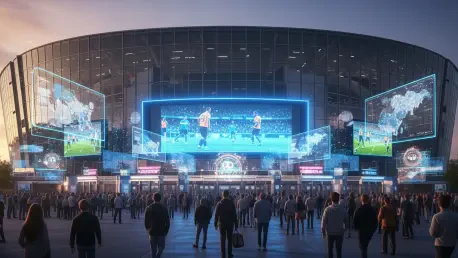
Technological integration has become the cornerstone of brand presence, with Verizon and Apple spearheading initiatives that merge physical stadium attendance with digital overlays. Through 5G-enabled networks installed in every venue, fans are accessing real-time statistics and multi-angle replays via augmented reality interfaces on their mobile devices. This immersive approach allows partners like Adidas to offer virtual try-on sessions for official kits, effectively turning every smartphone into a personalized storefront. Beyond the physical seats, virtual reality platforms are hosting “digital twin” stadiums where remote viewers can experience the match atmosphere in a 3D environment. This convergence of technologies ensures that the brand message remains consistent regardless of the fan’s geographical location. Companies are prioritizing these high-tech interactions to collect granular data on consumer preferences, which will inform product development cycles as they move from 2026 into 2028. The result is a highly interactive ecosystem that prioritizes depth over reach, ensuring that sponsors provide genuine utility to the global audience.
Strategic Integration: Evaluating Long-Term Marketing Impacts
The initial phases of these marketing blitzes demonstrated that traditional advertising reached its saturation point, prompting a shift toward utility-based sponsorship models. Organizations that prioritized environmental sustainability, such as Budweiser with its renewable energy initiatives at fan festivals, received significantly higher brand sentiment scores in early surveys. These companies moved away from static billboards toward active participation in urban infrastructure improvements within the host cities. Looking ahead, the focus shifted to maintaining the momentum generated during the tournament by converting temporary fan engagement into long-term customer loyalty programs. Strategic leaders analyzed the massive influx of user-generated content to refine their digital outreach for the upcoming 2027 fiscal year. It was clear that the most successful brands were those that offered tangible value, such as exclusive digital collectibles or enhanced transportation solutions for match attendees. This transition established a new benchmark for how global corporations must navigate massive multi-national events through a blend of social responsibility and technological precision.