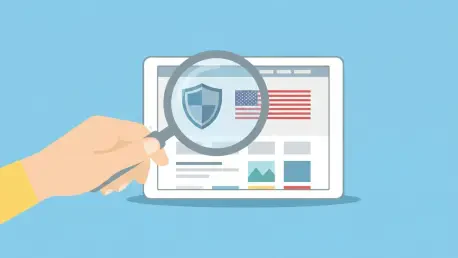

The deceptive practice of mimicking federal authority has reached a critical boiling point where digital counterfeiters exploit the trust citizens place in their government to navigate essential services. The current landscape of government impersonation fraud has matured into a complex marketplace of deception. Scammers target individuals seeking travel documents by creating digital storefronts that mirror official portals. By siphoning users through high-traffic keywords, these actors monetize processes that are often free or much cheaper through legitimate channels.
The Federal Trade Commission monitors how search marketing and artificial intelligence allow actors to scale operations. These advancements have amplified fraud, requiring a proactive regulatory stance to protect consumers. As the primary regulatory guardian, the agency ensures the digital economy remains a space defined by fair competition rather than predatory deception. This federal oversight is critical as deceptive schemes targeting social security and passport services become increasingly sophisticated.
The Growing Crisis of Digital Impersonation and Federal Oversight
The scope of these deceptive schemes has expanded to cover nearly every touchpoint of federal interaction, from visa applications to tax filings. Bad actors utilize the speed of the digital marketplace to offer expedited services that do not actually exist, leading to significant financial losses for vulnerable populations. This environment creates a sense of urgency that pressures users into providing sensitive personal information to unverified third parties.
Technological advancements in search engine marketing and artificial intelligence have further amplified the reach of these schemes. Key market players in the advertising sector must now navigate a landscape where their platforms are used to bypass official government channels. The Federal Trade Commission maintains a central role in tracking these developments, ensuring that the intersection of technology and commerce does not become a haven for illicit impersonation.
Evolution of Scams and the Data Behind the Deception
Emerging Tactics in Search Engine Manipulation and Social Proof
Private entities often engage in sponsored ad hijacking, bidding on government terms to outrank official agencies on result pages. This strategy ensures users click on a private link before ever seeing the actual official address. The shift from primitive phishing to sophisticated net impression websites has made detection harder, as these pages use official iconography and patriotic imagery to deceive visitors.
Deception also extends to review platforms where actors manipulate feedback to project an image of reliability. Many fraudulent services use incentivized reviews or fabricated testimonials to inflate their ratings, often showcasing a five-star status. This manipulation of social proof bypasses consumer skepticism, making it appear as though the services were vetted by thousands of satisfied customers.
Statistical Trends and the Economic Impact of Impersonation Fraud
Projections for consumer losses suggest a troubling upward trend in the cost of digital deception. Economic data indicates that the financial toll of these schemes will increase significantly from 2026 to 2029 unless aggressive interventions are implemented. Performance indicators of federal enforcement show that while billions are at risk, strategic litigation has been successful in freezing assets and recovering millions for victims.
The rising cost of digital fraud poses a significant threat to the American economy by undermining the efficiency of digital commerce. As scammers refine their ability to extract money through hidden fees, the drain on household finances grows. Regulatory focus has shifted toward measuring these economic impacts to justify broader enforcement powers aimed at dismantling damaging corporate structures.
Persistent Obstacles in Identifying and Prosecuting Fraudulent Entities
Regulators face a whack-a-mole problem where fraudulent entities shut down only to reappear under new corporate identities. This cyclic behavior makes it difficult to achieve permanent deterrence, as the low cost of digital setup allows scammers to pivot quickly. Distinguishing between legitimate third-party services and deceptive mimics remains a technical challenge that requires nuanced investigation.
Proposed solutions involve cooperation between federal agencies and search engine providers to flag suspicious ads faster. Improving public awareness regarding official URLs is another priority, as many users do not realize that official portals end in .gov. A more literate digital consumer base makes the market naturally more resilient to these superficial impersonation tactics.
The 2024 Impersonation Rule and Enhanced Regulatory Frameworks
The implementation of the 2024 Impersonation Rule marked a turning point in digital accountability. This framework established clear standards for net impression, focusing on the overall visual presentation of a website. Symbols like American flags or seals are now triggers for enforcement if they are used to mislead consumers about a service’s official status.
New guidelines cracked down on incentivized ratings, requiring that promoted star ratings reflect organic sentiment rather than paid feedback. The rule streamlined the recovery of illicit profits by simplifying the legal path for the government to demand refunds from deceptive marketers. This shift forced companies to be much more careful about how they represent their relationship with federal agencies.
The Future of Consumer Protection in an Automated Marketplace
AI-driven fraud detection represents a major opportunity to block impersonation ads before they reach consumers. These systems can analyze ad copy in milliseconds to detect deceptive patterns that human moderators might miss. However, as consumer preferences lean toward one-click convenience, the market for third-party facilitators will persist, requiring constant vigilance to ensure transparency.
Regulatory expansions are anticipated to cover deepfakes and voice-cloning in government scams. These technologies allow bad actors to impersonate officials in realistic audio or video messages, creating new vulnerabilities for the public. Global economic conditions will continue to influence these trends, as financial instability makes citizens more susceptible to scams offering relief or expedited services.
Strengthening Market Integrity Through Transparency and Enforcement
The multi-pronged approach taken by the agency emphasized dismantling deceptive schemes through rigorous enforcement and public transparency. It recommended that businesses align with new search and review standards to ensure long-term trust in digital interactions. The strategy demonstrated that clear disclosures were the most effective way to protect the digital environment from predatory noise.
Ultimately, the agency prioritized transparency as the primary defense against digital deception. The transition toward automated protection systems provided a robust defense against the evolving tactics of impersonation. This focus ensured that the bridge between the citizen and the state remained secure, verifiable, and free from illegitimate interference.