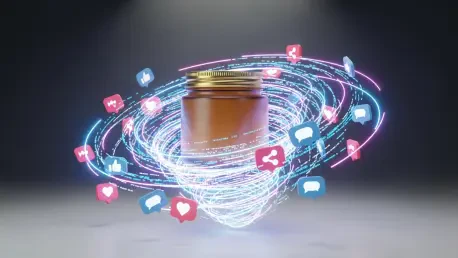

When a century-old ointment transitions from a medicine cabinet staple to a viral digital sensation, it signals a fundamental shift in how global beauty conglomerates approach the science of consumer demand. The beauty sector is currently undergoing a radical reorganization where the traditional hierarchy of influence has been completely overturned by the rapid rise of social platforms. For legacy players like Unilever, maintaining market relevance now requires a transition from broadcasting one-way marketing messages to fostering participatory brand experiences. This shift indicates that consumers no longer view themselves as passive recipients of goods but as active contributors to the product development cycle.
Digital culture has reshaped the rules of engagement, forcing brands to move away from top-down innovation toward a model that honors the community as the primary architect of product success. This evolution is not merely a trend but a structural change in how skincare giants operate within a social-first marketplace. By prioritizing the voices of everyday users, established companies are finding ways to bridge the gap between their historic identities and the demands of a modern, interconnected audience.
The Evolution of Heritage Brands in the Creator Economy
The rise of the creator economy has forced a total re-evaluation of how legacy brands communicate their value to a skeptical public. Traditional product development, which often took place behind closed laboratory doors, has been replaced by a community-led model that prioritizes real-time feedback and cultural relevance. This transition represents a departure from passive consumerism, moving toward an era where the brand is a shared asset between the corporation and its most loyal users.
Unilever’s adaptation to this social-first landscape demonstrates the importance of flexibility for global skincare brands seeking to maintain market dominance. As digital platforms become the primary source of discovery for new beauty routines, the ability to listen and respond to organic conversations has become a competitive advantage. This shift ensures that the brand remains a living part of the cultural conversation rather than a static relic of the past.
Transforming Digital Subcultures into Market-Ready Innovation
From “Slugging” to “Vaseline OGs”: Decoding Current Industry Trends
The “Vaseline Originals” campaign serves as a prime example of this evolution, effectively formalizing long-standing digital hacks into official product lines. By observing online subcultures, the brand identified that techniques like using petroleum jelly as a brow tamer or a makeup primer were already widely practiced. Recognizing that a significant majority of Gen Z identifies as content creators, the company embraced the concept of desire at scale, allowing social media to pressure-test product ideas before they reached the laboratory.
This strategy transformed organic behaviors, such as the viral “slugging” trend, into formalized routines that the brand could then support with specialized formulations. By validating the expertise of the community, the brand moved from being a simple provider of raw materials to a partner in creative expression. This move allowed the company to capture the energy of viral trends while grounding them in professional-grade skincare science.
Measuring the Impact of Community-Driven Product Launches
Financial data reflects the immense success of this strategy, with Unilever increasing its digital advertising allocation from 30 percent to 50 percent to better align with modern consumer behavior. High-performance indicators include the near-instant sell-out of the Brow Tamer and All-In-One Primer during TikTok Live sessions earlier this year. Such results prove that when a brand listens to its audience, the path to commercial success becomes significantly shorter and more predictable.
Furthermore, this community-driven approach has garnered significant industry accolades, including the Cannes Titanium Lion, which recognizes work that breaks new ground. Growth projections suggest that influencer-led co-creation will become the standard for future research and development cycles across the industry. By turning creators into consultants, brands are able to minimize the risk of product failure and maximize the speed of innovation.
Navigating the Complexities of Crowdsourced Product Formulation
Moving creator insights further upstream into the manufacturing process presents significant logistical hurdles for any established brand identity. Formulators must reconcile the fleeting nature of viral trend cycles with the rigorous stability and safety testing required for professional skincare products. It is a delicate balance to allow external voices to dictate product direction without compromising the chemical integrity that defines a trusted name.
Moreover, the risk of trend-chasing is a constant concern for legacy organizations that must filter high-value insights from fleeting social media noise. Distinguishing between a momentary gimmick and a sustainable product opportunity requires a sophisticated data-analysis framework. Brands that successfully navigate these complexities are those that use creator feedback to enhance their core strengths rather than abandoning them for the sake of a viral moment.
The Regulatory and Ethical Landscape of Beauty Co-Creation
Commercializing community-shared beauty methods introduces a complex web of legal and ethical considerations regarding intellectual property and creator credit. When a brand takes a hack developed in a creator’s bedroom and turns it into a shelf-stable product, questions of ownership and fair compensation inevitably arise. Navigating these relationships requires a transparent approach to partnership that respects the original contribution of the digital community.
From a regulatory standpoint, turning home-grown methods into consumer goods requires strict adherence to safety standards and manufacturing protocols. The transition from a DIY hack to a retail product involves extensive testing to ensure that the formulation remains effective and safe for a global audience. Maintaining transparency in these processes is essential for building trust, especially as digital advertising guidelines continue to evolve toward stricter disclosure requirements.
The Future of Brand Ownership: Co-Creation as a Permanent Strategy
The definition of a brand is fundamentally shifting away from company-controlled narratives toward community-built identities that live and breathe online. Emerging technologies, including AI-driven trend analysis, are expected to further accelerate the speed at which social media content is transformed into physical products. This permanent shift suggests that the most successful brands of the future will be those that view themselves as platforms for user creativity.
Other sectors, from fashion to consumer technology, are likely to adopt the model of earning participation rather than simply buying attention. This evolution will reshape global economic conditions by prioritizing creator-led innovation as a primary driver of consumer loyalty and market growth. In this new landscape, the ability to co-create with a passionate community will be the defining characteristic of an enduring brand.
Securing Relevance Through Community-Centric Growth
The strategic modernization of the innovation roadmap demonstrated that even a 150-year-old brand could thrive by placing the community at the heart of its operations. The transition suggested that the future of the beauty industry depended on the ability to earn participation through authentic engagement rather than traditional broadcasting. It was clear that legacy players who successfully leveraged viral culture found a sustainable path toward investment and growth.
The move toward co-creation was seen as a necessary evolution for brands seeking to remain relevant in a fragmented marketplace. By embracing the insights of digital creators, the company proved that heritage and innovation were not mutually exclusive concepts. Ultimately, the successful integration of social-first insights into the manufacturing process set a new benchmark for how global brands interacted with their audiences.