
The velvet ropes that once guarded the inner sanctum of global soccer have finally been cut, replaced by the glowing screens of a thousand decentralized storytellers. For decades, the story of the World Cup was told through a narrow lens of accredited journalists and polished broadcast panels, but the current tournament is poised to shatter that gatekeeper model. By granting freestyle rappers, amateur coaches, and fashion influencers the same high-security access as traditional media, FIFA is signaling that the era of the unreachable athlete is over. The narrative is no longer just about the tactical 4-4-2 formation; it is about the music on the team bus, the fashion in the stands, and the raw energy of the host cities.
This shift toward a creator-led tournament reflects a deeper change in how global audiences interact with major cultural events. As traditional viewership habits decline among younger demographics, this tournament serves as a testing ground for a decentralized media ecosystem. This transition matters because it addresses a growing disconnect between the stiff, corporate production of major sports and the fast-paced, personality-driven content that dominates modern digital life.
The End of the Press Box Monarchy
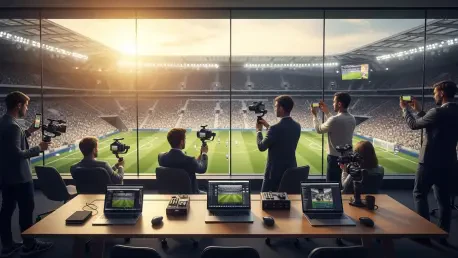
The integration of non-traditional media has redefined the concept of sports journalism. Where a veteran reporter might focus on injury updates and post-match statistics, a creator captures the tension in the hallway or the specific rhythm of a pre-game ritual. This expansion of the press corps allows for a kaleidoscopic view of the event, ensuring that the tournament feels like a cultural festival rather than just a series of athletic contests.
Moreover, the presence of these influencers in high-security zones creates a sense of intimacy that professional cameras often lack. By focusing on the lifestyle and atmosphere surrounding the players, FIFA is inviting fans into a world that was previously invisible. This accessibility fosters a deeper emotional connection between the global audience and the stars on the pitch, moving the conversation from the scoreboard to the personal journeys of the participants.
The Decentralization of the World’s Biggest Stage
The decentralization of media rights marks a pivot from a top-down information flow to a bottom-up community experience. Digital platforms have become the primary source of truth for millions, and by embracing this, the tournament organizers are meeting fans where they already live. This strategy effectively democratizes the storytelling process, allowing for diverse perspectives that vary based on language, region, and personal interest.
This approach also serves as a hedge against the fragmentation of attention. In an age where a ninety-minute match must compete with endless digital distractions, the constant stream of short-form content keeps the tournament at the forefront of the cultural conversation. By allowing creators to interpret the matches through their own unique lenses, the event maintains a 24-hour presence in the digital consciousness, far outlasting the duration of the physical games.
A Two-Pronged Digital Ecosystem: TikTok vs. YouTube
FIFA’s strategy relies on Preferred Platform agreements that treat different social networks as unique storytelling tools rather than mere distribution channels. The appointment of 30 Creator Correspondents focuses on immediate, vertical-video content designed to humanize the tournament through humor and behind-the-scenes lifestyle access. This TikTok-driven initiative prioritizes the raw and the relatable, turning players into protagonists in a larger digital drama.
In contrast, YouTube provides the depth and the archive, utilizing ten-minute live look-in windows to bridge the gap between social media and live match coverage. While one platform captures the fleeting moment, the other builds the narrative arc through longer-form storytelling and historical context. These partnerships were specifically engineered to capture the attention of Gen Z and female fans, populations that prioritize community-driven commentary over standard play-by-play analysis.
The Analyst’s Perspective: Authenticity vs. Tradition
Industry experts view this hybrid model as a calculated risk to maintain relevance in a saturated media market. Traditional rights-holders like Fox Sports continue to provide high-definition, polished coverage, while platform deals act as an authentic layer sitting atop those multi-billion-dollar contracts. This duality allows the tournament to satisfy both the legacy viewer who wants a standard broadcast and the modern fan who seeks an unfiltered experience.
However, navigating the representation gaps remains a challenge for organizers. Analysts have pointed out significant oversights, such as the initial lack of Canada-based creators despite the country’s role as a primary host. This disconnect highlights the difficulty of managing a global creator strategy that must feel local and organic while operating under a massive corporate umbrella. Success is now measured not just by TV ratings, but by the shareability of moments that keep the tournament trending.
Strategies for Integrating Creator Content into the Global Fan Experience
To ensure this digital-first approach translates into a cohesive viewer experience, specific frameworks for content delivery were deployed. Moving creators into locker rooms and training sessions provided perspectives that a standard camera crew could not capture. These creators functioned as bridges, translating the high-stakes world of professional soccer into a language that resonated with their specific sub-communities.
Complementary programming schedules ensured that creator uploads aligned with broadcast dead times, keeping the tournament a constant presence in the fan’s digital feed. By leveraging niche expertise, such as football freestyle or local culinary knowledge, the tournament told micro-stories that resonated deeply with specialized audiences. This layered strategy ensured that every fan, regardless of their level of soccer knowledge, found a point of entry into the global event.
The 2026 World Cup effectively proved that the future of sports media belonged to a hybrid ecosystem of professional broadcast and creator-led authenticity. This evolution moved the tournament beyond the pitch and into the fabric of daily digital life, creating a blueprint for future global events. By prioritizing diversity in storytelling and decentralizing access, organizers ensured that the narrative remained as dynamic and multifaceted as the global audience it served. The success of this model suggested that the next phase of fan engagement would rely on localizing the global experience through the voices of those who lived it in real time.