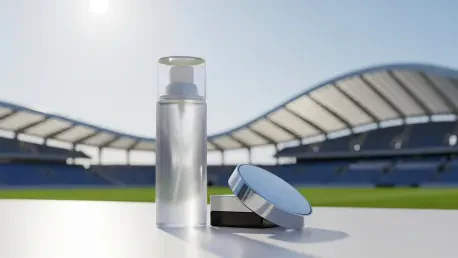

The once-rigid boundary separating high-performance athletics from the sophisticated world of cosmetic artistry has finally dissolved during the current North American soccer cycle. As the international spotlight shines on the 2026 World Cup, the commercial landscape has shifted away from the traditional dominance of beer and automotive brands toward a more inclusive and aesthetically conscious era. This transition signifies more than just a change in sponsorship logos; it represents a fundamental recognition of the diverse audience that fuels the global game. For decades, the sporting arena was treated as a monolith of masculine marketing, yet today, beauty and skincare products are as synonymous with the pitch as the jersey itself.
The current market environment reflects a sophisticated synthesis where self-care and competitive spirit coexist. Industry analysts observe that the multi-billion dollar beauty sector has successfully navigated its way into the official sponsor tiers, displacing legacy brands that once held exclusive sway over the tournament. This evolution is driven by a consumer base that demands products capable of transitioning from the intensity of a stadium seat to the digital stage of social media. Consequently, the 2026 tournament serves as the ultimate proving ground for a new marketing playbook that prioritizes appearance, protection, and performance in equal measure.
The Intersection of Glamour and Pitch: The Great Beauty-Sports Convergence
The arrival of global giants like Unilever and specialized skincare authorities like Paula’s Choice into the FIFA inner circle has marked a permanent shift in the sports marketing hierarchy. These organizations have moved beyond peripheral advertising to secure top-tier placements, signaling that personal care is now a essential component of the fan experience. This institutionalization allows brands to reach millions of spectators who previously felt ignored by the narrow focus of sports sponsorships. By aligning with the world’s most-watched sporting event, beauty conglomerates are effectively validating the idea that athletic passion and aesthetic maintenance are complementary rather than contradictory.
Market segmentation within the stadium environment has become increasingly specialized, focusing on the unique needs of the outdoor spectator. High-SPF skincare designed for long-duration exposure and sweat-resistant performance cosmetics have moved from niche categories to mainstream essentials. Fans now seek out products that can withstand the high humidity of host cities like Miami or Houston without compromising their match-day look. This functional approach to beauty has allowed brands to position their offerings as athletic gear, bridging the gap between vanity and utility.
Furthermore, the technological influence of social media platforms has revolutionized how fans engage with the tournament. The bridge between match-day highlights and beauty tutorials is now seamless, with creators using stadium backdrops to showcase durable makeup routines. This digital synergy ensures that a brand’s presence extends far beyond the physical stadium, reaching global audiences through bite-sized, actionable content. The convergence of these industries has created a circular economy where sporting excellence inspires beauty trends, which in turn drive consumer engagement back to the game.
Redefining Fandom through Experiential Marketing and Cultural Agility
The transition from static billboard advertising to immersive, real-life experiences has redefined how beauty brands connect with soccer enthusiasts. Branded stadium suites and dedicated beauty lounges are no longer rarities but expected amenities for the modern spectator. These spaces provide a tactile connection to the brand, offering everything from quick skincare refreshes to full team-inspired transformations. By moving marketing efforts into the physical realm of the fan journey, companies are fostering deeper emotional connections that traditional broadcast spots simply cannot replicate.
Agile marketing has become the standard for brands looking to capitalize on the unpredictable nature of a global tournament. The speed of culture requires brands to react in real time to viral moments, such as a historic referee decision or a particularly expressive fan celebration. Those who can pivot their messaging within hours to align with these cultural beats often see higher engagement than those tethered to rigid, pre-planned campaigns. This agility allows beauty brands to feel like active participants in the tournament narrative rather than external observers trying to buy their way into the conversation.
Cultural integration remains a cornerstone of successful outreach, particularly within the global Latina soccer community. Recognizing the deep-seated connection between soccer and cultural identity, savvy brands have focused on beauty rituals that celebrate this heritage. By acknowledging the specific needs and preferences of diverse demographic groups, marketing teams are moving away from a one-size-fits-all approach. This strategy not only increases market share but also builds long-term brand loyalty by respecting the cultural nuances that define different segments of the global fanbase.
Quantifying the Glow: Market Projections and the Rise of the Female Spectator
Successful partnerships in the WNBA and NBA have provided a clear blueprint for the commercial triumphs seen during the current tournament cycle. These domestic collaborations demonstrated that female sports fans possess significant purchasing power and a high propensity for brand switching when presented with authentic engagement. The data gathered from those earlier ventures allowed World Cup sponsors to refine their targeting strategies, ensuring that their investment in the 2026 tournament was backed by proven consumer behavior patterns.
Projections for fandom-driven beauty sales suggest a sustained upward trajectory throughout the North American tournament. Analysts have noted a significant uptick in the “get ready with me” economy, where consumers purchase specific products to use during match-day viewing parties. This trend has expanded the market beyond the stadium gates, capturing the attention of millions of home viewers who want to mirror the energy of the live event. The resulting revenue growth has confirmed that beauty is no longer a secondary market but a primary driver of sports-related consumer spending.
The purchasing power of the underserved female sporting demographic has finally been recognized as a critical economic engine. For too long, this group was treated as an afterthought in sports retail, yet their influence on brand loyalty and household spending is immense. By addressing this demographic directly, beauty brands are securing a foothold in a market that remains largely untapped by traditional sports sponsors. This shift in focus is expected to have a lasting impact on how all industries approach sports-centric marketing in the years following the 2026 cycle.
Navigating the Stadium: Overcoming Hurdles in Sports-Centric Beauty
One of the most significant challenges for beauty brands entering the sports arena is the maintenance of brand authenticity. Consumers are increasingly wary of “pinkwashing,” a practice where companies apply superficial marketing layers to traditionally male-dominated spaces without providing genuine value. To avoid this trap, brands must demonstrate a deep understanding of the sport and its community. Success requires a commitment to the game that goes beyond a logo on a jersey, involving true support for athlete development and fan culture.
Navigating the high cost of official FIFA partnerships presents another hurdle, forcing brands to choose between massive capital outlays and creative ambush marketing. While official status offers unparalleled access and intellectual property rights, grassroots activations and unauthorized social media campaigns can often generate significant buzz at a fraction of the price. This tension has led to a more diverse marketing landscape where smaller, independent brands can compete for attention alongside global conglomerates. The key lies in finding a balance between the prestige of official association and the flexibility of independent movement.
Logistical complexities also play a major role in the success of sports-centric beauty initiatives. Ensuring product performance in high-intensity, high-humidity environments requires rigorous testing and specialized formulations. Distribution challenges also arise when trying to provide consistent product access across dozens of host cities with varying climates and retail infrastructures. Brands that have invested in robust supply chains and localized marketing hubs have found themselves better positioned to handle the stresses of a month-long international tournament.
The Rulebook of Engagement: Compliance and Sponsorship Standards
Understanding the rigid regulatory landscape of FIFA intellectual property is essential for any brand looking to associate with the 2026 World Cup. The governing body maintains strict control over its trademarks, logos, and even specific terminology, making it difficult for non-official sponsors to navigate the promotional space. Legal teams must work closely with creative departments to ensure that campaigns remain compliant while still capturing the spirit of the tournament. This regulatory environment has forced a higher level of creativity in marketing, as brands find innovative ways to signal their soccer affiliation without infringing on protected assets.
The role of athlete endorsement contracts has also evolved, with a new emphasis on the standards for “clean” and ethical ingredients. Modern athletes are more conscious of the products they use and endorse, often requiring brands to meet specific health and sustainability benchmarks. This shift has pushed the beauty industry toward more transparent labeling and safer formulations, benefiting the general consumer as well as the professional player. Products aligned with the sports world are now expected to be as high-performing in their chemical makeup as they are in their visual application.
Data privacy and security measures have become a primary concern as digital activations and fan engagement apps proliferate. Large-scale events like the World Cup generate vast amounts of consumer data, and beauty brands must ensure this information is handled with the utmost care. Transparency regarding data collection and usage is critical for maintaining fan trust, especially when using augmented reality or personalized skincare tools. As digital and physical experiences continue to merge, the industry must prioritize the protection of the very consumers it seeks to engage.
Beyond 2026: The Long-Term Evolution of Athletic Aesthetics
The rise of gender-neutral personal care is expected to become the new standard for global sporting events moving forward. As traditional gender roles continue to blur, the demand for inclusive products that cater to all fans is increasing. This shift will likely lead to a more streamlined and accessible beauty market where the focus is on skin health and protection rather than gendered marketing. Future tournaments will likely see an even greater integration of these universal products, reflecting a more modern and equitable view of the sporting community.
Disruptive technologies like AR-powered “try-on” mirrors and AI-driven skincare analysis will likely become common features in stadiums of the future. These tools allow fans to experiment with different looks and receive personalized product recommendations in real time, enhancing the overall match-day experience. As these technologies become more sophisticated, the boundary between the physical and digital fan experience will continue to erode. This integration offers brands a unique opportunity to provide value-added services that go far beyond traditional product sales.
The integration of beauty brands into the lifestyle and travel sectors surrounding global tournaments represents the next major growth area. Fans traveling for international matches require specialized travel kits, portable skincare solutions, and localized services that cater to their needs on the go. By partnering with airlines, hotels, and travel agencies, beauty brands can capture a larger share of the total fan spend. This holistic approach to the consumer journey ensures that the brand remains a constant companion throughout the entire World Cup experience.
The Final Whistle: A New Strategic Standard for Global Marketing
The 2026 World Cup established a definitive merger between the beauty and sports industries, proving that the two sectors were far more compatible than previously assumed. Marketing departments successfully transitioned away from passive advertisements, instead prioritizing community-centric and experiential strategies that resonated with a modern, diverse audience. This evolution was characterized by an emphasis on functional products that met the physical demands of the stadium environment while satisfying the aesthetic desires of the digital age. Investors who recognized the potential of the active fan profile early in the cycle secured a significant competitive advantage in the global marketplace.
The strategic landscape shifted toward a model where authenticity and cultural agility were the primary currencies of success. Brands that moved with the speed of the tournament and respected the nuances of diverse fan bases saw the highest returns on their engagement efforts. Regulatory compliance and a commitment to clean ingredients also played a crucial role in shaping consumer trust and athlete partnerships. By the end of the tournament, the “beauty playbook” had become an essential manual for any organization looking to navigate the complexities of modern sports marketing. The lessons learned during this cycle provided a foundation for future events, ensuring that the intersection of glamour and the pitch would remain a permanent fixture in the world of global sport.