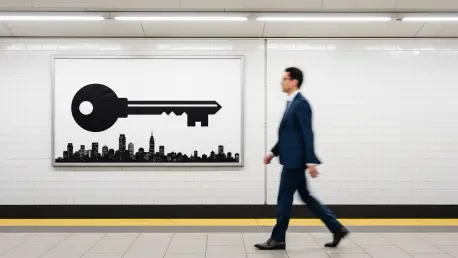

Navigating the dense, subterranean labyrinth of the New York City subway system offers a rare moment of forced stillness where commuters are suddenly confronted by the stark realities of the local housing market through vibrant advertisements. Over the previous decade, one specific digital platform has transitioned from a simple tool into a fundamental component of the city’s cultural fabric, using its presence in the transit system to mirror the aspirations and frustrations of millions of residents. This integration into the daily commute is not merely a matter of high-frequency visibility but represents a calculated effort to engage with a demographic that is notoriously skeptical of corporate messaging. By maintaining a constant presence within the Metropolitan Transportation Authority’s vast network, the brand has successfully navigated the complexities of urban life, turning the arduous search for a home into a shared narrative that resonates across all five boroughs. As this advertising legacy reaches a significant milestone in 2026, it serves as a testament to the power of hyper-local marketing in one of the world’s most competitive environments.
The Strategic Balance: Authenticity in Local Markets
The core of this marketing success lies in a unique strategic formula often referred to as the balance of salt and sugar, which juxtaposes the gritty truths of city living with the undeniable rewards of residency. New Yorkers are famously resilient, but they also harbor a deep appreciation for the specific lifestyle perks that only a city of this magnitude can provide, such as proximity to world-class dining or the prestige of a specific neighborhood. By acknowledging the salt—the cramped quarters, the walk-up apartments, and the competitive bidding wars—the brand establishes a level of honesty that is rare in modern advertising. This transparency creates an immediate bond with the audience, as it signals that the service understands the actual experience of living in the city rather than presenting a sanitized or unrealistic version of real estate. The sugar, conversely, highlights the triumphs of finding that perfect alcove or the joy of a private terrace, making the struggle feel worth the effort for the average commuter who spends hours each week underground.
This deliberate alignment with the local sensibility is further reinforced by a tone of voice that rejects traditional corporate jargon in favor of the sharp, direct, and often witty communication style favored by iconic New York figures. Instead of using generic marketing phrases, the campaigns lean into a bluntness that mirrors the city’s own personality, treating the audience as savvy insiders rather than mere consumers. This approach is particularly effective because local residents possess a high sensitivity to inauthenticity and can quickly identify when an outside entity is trying too hard to mimic the local vibe. By positioning itself as a knowledgeable ally that recognizes the miracle required to secure a decent apartment amidst a housing shortage, the brand moves beyond its function as a utility. It becomes a participant in the collective conversation about the housing market, validating the persistent efforts of those who are determined to make a life in the city despite the high barriers to entry that exist today and will likely continue through 2027.
Technical Mastery: Optimization for Transit Environments
In the foundational years of establishing this brand identity, the focus was placed on tackling the inherent absurdity of the local real estate landscape head-on, effectively creating a North Star for all subsequent creative endeavors. From 2026 to 2028, the evolution of these campaigns will continue to emphasize the importance of being upfront about the compromises required in urban living, such as rooms that barely fit a bed or views that consist entirely of brick walls. Early iterations of these ads famously questioned the legal definitions of bedrooms and highlighted variables such as pests or noisy neighbors that often influence the rental process. This strategy proved that radical honesty could build significant consumer trust, as it transformed the often-stressful quest for a home into a recognizable narrative. By reflecting the specific challenges faced by different demographics, the marketing has managed to foster a sense of community among those who share the common goal of finding an affordable and habitable space within the five boroughs.
To effectively dominate the physical environment of the subway system, the creative team intentionally designed its assets to harmonize with the specific structural constraints of the Metropolitan Transportation Authority’s infrastructure. Taking inspiration from transit advertising legends like Manhattan Mini Storage, the strategy utilized specific formats like long skinnies and transit pole posters to ensure that messaging was both inescapable and highly legible during peak travel hours. A critical component of this execution involved tailoring the length and complexity of the advertising copy to the dwell time of the passenger at various points in their journey. Longer, more narrative-driven pieces were strategically placed on station platforms where commuters often wait several minutes for a train, providing them with entertainment and information during a period of downtime. In contrast, punchy and visually striking hits were reserved for high-traffic corridors and stairwells where people are in constant motion, ensuring the brand message was absorbed even during a hurried transfer.
Strategic Insights: Future Directions in Urban Marketing
The recent trajectory of the brand’s marketing strategy witnessed a significant emotional pivot, moving away from the purely transactional nature of the rental market toward the more profound and high-stakes arena of homeownership. This evolution acknowledged that while many residents started as renters, a significant portion eventually sought a more permanent stake in the city’s future, aiming to become what the brand termed Forever New Yorkers. This transition was reflected in the increased use of epic, Renaissance-style imagery that depicted the process of buying property as a heroic and exhausting journey. By elevating the home-buying process to this level of artistic grandeur, the ads validated the immense financial and emotional investment required to purchase a home in such a volatile market. This shift in focus allowed the platform to support users throughout their entire residential lifecycle, from their first studio apartment to the eventual purchase of a multi-bedroom family home, ensuring the brand remained a partner for life-long residency.
For marketing professionals and industry leaders, the primary takeaway from this decade of transit advertising involves grounding digital services in the physical realities of the users they serve. As the real estate market continues to evolve from 2026 into the late 2020s, organizations should prioritize the creation of content that acknowledges the specific stressors of their target audience while offering a sense of validation and support. Future considerations must include the integration of more interactive or augmented reality elements within physical spaces to bridge the gap between the static advertisement and the mobile application. Moving forward, the goal for any service operating in a hyper-competitive urban environment should be to move beyond simple brand awareness toward establishing a permanent presence in the cultural consciousness. The previous decade proved that when a brand speaks the language of its city, it ceases to be an outsider and becomes an essential part of the local identity, ensuring long-term growth and stability in the face of changing economic conditions.