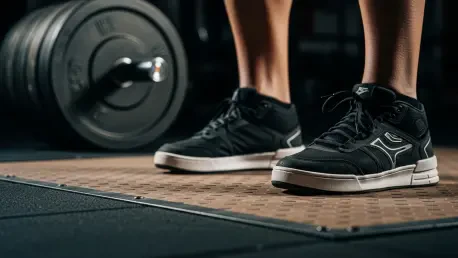

While the fitness market is flooded with interchangeable powders and digital promises, the true measure of a brand’s influence often lies in its ability to physically support the athlete at the moment of peak exertion. MUTANT, a long-standing powerhouse in the bodybuilding and strength sports community, has recognized that providing value extends far beyond the bottom of a protein tub. By introducing a campaign centered around signature lifting footwear, the organization has pivoted from being a mere vendor of nutritional aids to a comprehensive lifestyle architect for high-performance athletes. This initiative involves a calculated gift-with-purchase model where customers who spend over ninety-nine dollars on the official online store receive a pair of signature shoes. This strategy does not just incentivize a one-time transaction; it fundamentally alters the relationship between the brand and the lifter by equipping them for the very activities that define their daily lives and personal identities. It bridges the gap between nutrition and the gym floor.
Strategic Incentives: Driving Sales Through Targeted Engagement
The logistics behind the promotion reveal a sophisticated understanding of consumer psychology and market positioning within the modern fitness landscape. By setting a minimum purchase threshold, the company effectively increases the average order value while simultaneously rewarding high-spending customers with a high-value physical asset. This specific offer is currently restricted to the United States market, allowing for controlled logistics and targeted impact within a primary demographic. The scarcity of the item is a critical component of its success, as the footwear is not available for direct purchase but must be earned through a specific level of brand commitment. This creates a sense of exclusivity that traditional retail models often lack, transforming a standard shopping experience into an event-based acquisition. As customers navigate the digital storefront, the goal of reaching the threshold becomes a pursuit of belonging to a specific tier of the athletic community. It builds a cycle of reward that sustains growth.
Beyond the immediate boost in sales revenue, this promotion serves to foster a deeper emotional connection between the athlete and the brand identity. While many competitors focus strictly on providing scientific data or exotic ingredients, this approach offers a tangible solution to a physical need on the gym floor. Integrating high-quality footwear into the purchasing cycle ensures that the brand remains top-of-mind every time a lifter prepares for a heavy training session. This physical presence in the athlete’s gym bag bridges the gap between digital interaction and real-world performance, solidifying a level of loyalty that is difficult to disrupt through price competition alone. By providing the tools necessary for physical achievement, the brand reinforces its role as a partner in the user’s fitness journey rather than just a supplier of consumable goods. This strategy effectively turns a simple transaction into an immersive experience that resonates with the dedicated strength community. It moves the brand beyond a commodity.
Functional Design: Technical Excellence and Professional Validation
Technical specifications of the specialized footwear demonstrate a deep commitment to the mechanical requirements of heavy compound lifting and strength training. Conventional athletic shoes often incorporate compressed foam or air-based cushioning systems that are designed for impact absorption in running or jumping sports. However, these features can be detrimental during heavy squats or deadlifts, as they create an unstable surface that leads to energy leakage and potential joint misalignment. The footwear utilizes a flat, rigid foundation that maximizes surface area contact with the floor, providing the necessary stability for optimal force transfer during high-intensity sets. By addressing these specific biomechanical needs, the footwear serves as an essential piece of equipment rather than a mere fashion accessory. This engineering focus proves that the brand understands the nuances of professional lifting, offering a product that enhances safety and performance for serious athletes who demand precision in their gear.
To maintain its standing at the pinnacle of the strength world, the brand leverages endorsements from some of the most decorated athletes in modern history. The involvement of champions like Andrea Shaw and Mitchell Hooper provides the social proof necessary to validate the effectiveness of the equipment. Furthermore, the inclusion of Shaun Clarida, known as the Giant Killer, reinforces the hardcore philosophy that defines the brand’s mission. Clarida’s career is a masterclass in overcoming physical odds through sheer work ethic, traits that sit at the heart of the lifter’s mindset. By aligning the gear with athletes whose stories are built on the foundation of grinding out results, the brand makes the footwear feel like a tool for the underdog who is willing to outwork the competition. These professionals serve as the ultimate bridge between technical features and the consumer’s goals, ensuring that the equipment is seen as an essential component of a champion’s toolkit. This strategic alignment ensures that the brand is an integral part of the culture.
Strategic Evolution: Historical Success and Future Implications
The transition into functional hardware represented a significant milestone in how the brand established long-term dominance within the fitness sector. Strategic leaders recognized that the value of the promotion was rooted in its ability to bridge the gap between nutritional support and physical execution. As lifters integrated the specialized footwear into their daily routines, the brand became an inseparable part of their athletic identity. This campaign demonstrated that consumer loyalty was not just about the quality of the powder in the tub but about the comprehensive support provided to the athlete. By offering a product that solved a specific mechanical problem, the organization moved away from traditional discount-heavy marketing and toward a value-added model. This shift effectively lowered customer acquisition costs over the long term because the physical gear served as a constant advertisement within weight rooms across the country. It was a masterclass in how to leverage utility for the purpose of brand advocacy.
Future strategic initiatives were built upon the foundation of this successful integration, leading to a broader ecosystem of specialized training equipment. Brands that followed this model found that diversifying into niche hardware created multiple touchpoints with the consumer that traditional supplement companies could not match. The evolution of the brand into a lifestyle provider suggested that the next logical steps involved creating integrated training environments where nutrition, gear, and digital coaching converged. This approach ensured that the customer remained within the brand’s ecosystem throughout their entire fitness journey. Actionable insights for other organizations included the necessity of understanding the technical pain points of their demographic and offering high-utility solutions as rewards for loyalty. By prioritizing the physical needs of the athlete, companies successfully transitioned from being vendors to being indispensable partners in human performance. This methodology set a new benchmark for marketing excellence.