
Milena Traikovich is a demand generation strategist who turns hunches into measurable demand and brand love. With roots in analytics and performance optimization, she helped translate a personal craving for a better protein bar into a culturally resonant, women-first brand that mixed dessert-level joy with clean, plant-based nutrition—and ultimately reached a $173 million acquisition. In this conversation, she walks through how taste tests evolved into validated demand, why emotional positioning outperformed performance jargon, how beauty-informed design lifted shelf presence, and the cross-functional rhythms that kept aesthetics and nutrition in lockstep. She also shares how she vetted a values-aligned acquirer, how her role shifted post-transaction, and the mindfulness practices that sustained resilience from first batch to global ambitions.
You started with a craving for something sweet that still aligned with how you wanted to fuel your body. What was the exact moment you knew it could be a business, and how did early taste tests translate into measurable demand? Any anecdotes or metrics from those first batches?
The turning point came when our “just-for-friends” samples stopped circulating in our immediate circle and began getting requested by people we didn’t know—pilates instructors, a school nurse, then a corporate wellness lead who’d heard about “that dessert bar that’s actually clean.” We moved from casual drop-offs to structured taste tests: three flavors, blinded, with clear scorecards for taste, texture, and “would you swap for your current snack?” That last question mattered most because it signaled habit change, not just curiosity. Actions followed quickly—waitlists formed after pop-ups, emails poured in asking for restocks, and a neighborhood grocer asked to trial the line without us even pitching. The moment I knew this was a business was when reorders happened before the first batch was gone; that shift from compliments to commitments was unmistakable.
Many consumers want indulgence without compromising clean ingredients. How did you define “clean” in practice, and what trade-offs did you refuse to make on formulations? Walk us through the ingredient standards, testing process, and any supply chain hurdles you overcame.
We defined “clean” as plant-based, recognizable ingredients with no artificial flavors, colors, or sugar alcohols—and no protein sources that required masking with heavy sweeteners. Our non-negotiables included avoiding high-intensity sweeteners, steering clear of artificial emulsifiers, and keeping allergen transparency front and center. We built a tiered sourcing matrix: preferred vendors that could document origin, processing aids, and testing protocols; alternates only if they could meet the same proof points. In the kitchen, we iterated against a sensory spec: chew that felt like a soft brownie center, aromatic notes you’d get when cracking open a bakery box, and sweetness that landed but didn’t linger. Supply chain hurdles were real: stabilizing texture without palm derivatives pushed us to rethink binders, and lead times on certain plant proteins forced dual-sourcing plans with identical specs. Clean wasn’t a claim; it was the set of constraints that shaped every R&D decision.
When feedback shifted from individual praise to a broader cultural resonance, how did you capture and quantify that signal? What channels, metrics, or community insights guided your next product decisions, and can you share a pivotal customer story?
The signal changed when our inbox stopped sounding like “I love it” and started reading “This feels like it was made for me.” We tracked it by tagging messages for emotion—joy, relief, nostalgia—and mapping those against product reviews, repeat purchase timing, and social saves versus likes. Stories were our compass; a nurse wrote that she kept a bar in her scrub pocket for “a five-minute break that felt like dessert without the crash,” and that snapshot of a chaotic, purpose-filled day helped us prioritize formats that held up in heat and movement. We also listened to micro-communities—book clubs, mom groups, studio classes—where sharing is native and feedback is candid. When cultural resonance grew, we saw more UGC featuring our packaging as a prop, not just the product, which told us the emotional brand language was traveling beyond function.
Protein bars often use performance-heavy messaging. How did you craft emotional positioning that still respected functionality? Break down your brand voice development, the decision criteria for claims, and the testing methods that proved women-first language would outperform.
We started with a simple belief: food is emotional first, then functional. The voice paired dessert joy with grounded clarity—think “treat yourself” energy in the headline, clean-ingredient receipts in the subhead. For claims, we used a gate: only what we could substantiate through ingredient specs and product testing, and always framed through benefits people feel—sustained energy, no weird aftertaste, portability. To validate women-first language, we ran A/B creative tests where the only variables were tone and imagery: performance jargon versus permission-to-enjoy language. The latter consistently generated more saves, shares, and dwell time on PDPs, and we saw richer comments—stories, not just emojis. Function never left the room; it just stopped shouting.
Dessert-inspired flavors were central to the experience. How did you prototype those flavors, validate preference, and control for nutrition targets like protein, sugar, and fiber? Share your iteration timeline, panel feedback, and any benchmarks you set.
We treated flavor like storytelling: start with a memory—birthday cake crumb, caramel swirl, chocolate-dipped nostalgia—then build a formula that earns that promise. Prototyping ran in sprints: three to four variants per flavor, each with a distinct sweetness curve and texture profile. Our guardrails were simple: hit our plant-protein target without chalkiness, keep sugar in a place where you taste indulgence but don’t crash, and ensure fiber supported satiety without gut discomfort. Panels included supertasters and everyday snackers; we’d watch micro-reactions—the pause after the first bite, the immediate reach for a second piece—as much as we read the scorecards. When a flavor led to people closing their eyes and smiling, we knew we had the right nostalgia-to-nutrition balance.
Visual identity borrowed from beauty and fashion. What specific elements—color, typography, finishes—drove shelf pop and repeat purchase? Walk us through the packaging testing, retail planograms, and any before-and-after sales lifts you saw from design changes.
We leaned into saturated, joyful color blocking that read like a cosmetics launch—unapologetically feminine but still crisp. Typography was modern and rounded, with generous negative space so flavor names felt like a wink, not a shout. Finishes mattered—soft-touch for a sensorial hand feel and spot gloss to make dessert cues glint under store lighting. In testing, we built mini planograms and walked at three distances—15, 6, and 2 feet—measuring time to recognition and flavor legibility. After simplifying front-of-pack hierarchy and enlarging the flavor callout, we saw faster findability and stronger impulse picks. Shippers that mimicked a beauty endcap turned curiosity into baskets, and we heard from retailers that our set “lifted” the aisle aesthetic, which correlates with repeat purchase when the product delivers on the promise inside.
You emphasized that how something looks and feels is as important as what’s inside. How did you operationalize that belief across R&D, marketing, and retail? Describe the cross-functional rituals, decision gates, and KPIs that kept aesthetics and nutrition in sync.
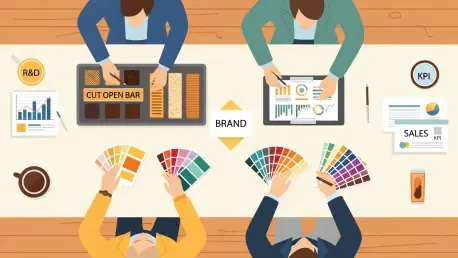
We created a shared brief for every SKU where flavor story, nutrition targets, and visual mood lived on the same page—no one moved forward unless all three harmonized. Rituals included weekly taste-and-touch standups: R&D brought samples; brand brought mood boards; sales brought retail constraints. Decision gates were clear: if the bar didn’t pass blind taste, if the wrapper didn’t communicate at 6 feet, or if the claims panel felt crowded, it went back to edit. KPIs spanned the funnel—trial-to-repeat, review sentiment on taste and texture, and retail compliance on shelf placement and facings. The mantra was “feel meets fuel”; anything less didn’t ship.
Building in a male-dominated category, how did you ensure women felt seen without excluding other customers? Share the research inputs, persona work, and any pitfalls you avoided. What messaging or visuals did you deliberately retire after testing?
We started with qualitative—listening sessions where women described snacks that felt like “a reward, not a ration,” and what made them roll their eyes in the aisle. Personas centered around moments—post-workout, mid-meeting slump, school pickup—so we could honor context rather than stereotypes. We avoided language policing bodies or productivity pressure; anything that implied “earn your treat” was cut. Visuals that leaned too hard into gym iconography or harsh, angular designs underperformed, so we retired them. Instead, we embraced warmth, humor, and permission—while keeping the door open for anyone who wanted joy and clean ingredients, full stop.
Resilience underpinned the journey. What were the toughest inflection points—cash crunches, retailer rejections, supply disruptions—and how did you navigate each? Provide timelines, contingency steps, and the frameworks you used for high-stakes decisions.
Early on, a cash squeeze coincided with a large PO delay—a classic “success can break you” moment. We prioritized bestsellers, shifted to shorter production runs, and renegotiated terms with suppliers by sharing our growth plan and quality commitments. Retailer rejections taught us to reframe the pitch from “new protein bar” to “dessert joy that happens to be clean,” and we led with planogram fit and incremental shoppers. A mid-year supply hiccup on a key ingredient forced a dual-approval spec, so we validated an alternate that matched flavor and texture before volumes ramped. For decisions, we used a simple matrix: protect brand essence, preserve cash runway, maintain product integrity. If a move violated any one of those, we found another path.
The acquisition closed at $173 million. What metrics and milestones most influenced valuation—velocity, household penetration, gross margin, or innovation cadence? Walk us through your data room essentials and the narrative that tied numbers to future growth.
The $173 million outcome reflected a story where brand love and operational discipline moved in tandem. Buyers leaned into proof of repeat, the strength of reviews tied to taste and joy, and evidence that our emotional positioning expanded the category rather than just swapping share. In the data room, we organized clean ingredient documentation, supply chain redundancies, retailer performance by set, and a pipeline that showed dessert flavors as a platform, not a one-off. The narrative was simple: we unlocked a women-first demand pocket in a male-skewed aisle, backed by a brand system that travels across formats and channels without diluting its essence.
You sought a partner who would protect plant-based, clean ingredients and a playful, empowering identity. How did you diligence cultural fit, and what non-negotiables made it into the definitive agreement? Share the red flags you watched for and how you aligned on innovation.
Cultural diligence looked like meeting the people who would touch the brand daily, not just the deal team—R&D leads, brand directors, supply planners. We asked for examples of where they’d protected a brand’s quirks in the face of scale pressure. Non-negotiables were explicit: plant-based and clean ingredients preserved, the playful and empowering voice intact, and innovation that expanded joy—not just line extensions for shelf space. Red flags were requests to “tone down the personality” or “optimize” with cheaper sweeteners; those were immediate no’s. Alignment on innovation meant co-building a roadmap where each launch had a flavor story, a clean label path, and a clear retail role.
You stayed involved post-acquisition. How has your role shifted from builder to visionary, and what does your weekly cadence look like now? Detail how you split time among product, brand, retail, and team mentorship, with examples of decisions only you can make.
Post-acquisition, I moved from doing to directing the signal—deciding where joy meets growth. A typical week anchors on three pillars: product reviews where I safeguard flavor integrity and clean standards; brand sessions to ensure the voice stays playful and empowering; and retailer touchpoints to protect how we show up on shelf. I reserve time for mentorship—helping emerging leaders make decisions with both heart and rigor. The calls only I can make usually involve tension between speed and essence—like pushing a launch back to fix a texture note or vetoing a claim that reads transactional instead of delightful.
Global expansion is on the horizon. Which markets make sense first, and how will you adapt flavors, packaging, and regulatory compliance? Outline your sequencing logic, channel strategy, and the metrics that will trigger scale or course-corrects.
We’ll start where plant-based adoption is strong and beauty-driven retail aesthetics resonate—markets that appreciate indulgence framed through wellness. Sequencing favors regions with clear regulatory pathways for our ingredients and packaging claims; we’ll adapt labeling and, where needed, tune sweetness levels to local palates without losing the dessert cue. Channel strategy begins online and in specialty retail to build community and gather rapid feedback, then flows into mainstream retail with localized planograms. We’ll watch trial-to-repeat, review sentiment on flavor authenticity, and retailer sell-through. If sentiment flags on sweetness or texture, we iterate before wider rollout—fast loops, not fixed bets.
Mindfulness helped you lead through uncertainty. What daily practices proved most effective, and how did you embed them into team culture? Share step-by-step routines, meeting norms, or rituals that improved decision quality and resilience.
Mornings start with a few quiet minutes—breath, gratitude, and a single intention for the day—which shifts me from reactive to deliberate. I block thinking time before noon for the highest-signal decisions and save status work for later, which keeps creative energy intact. As a team, we open key meetings with a quick check-in—one win, one watch-out—so we’re honest and aligned. We close big decisions with a “why we said yes and what we’ll measure,” turning anxiety into action. When things get loud, we pause for palate checks—literally tasting product together—to remember what matters: joy, quality, and the customer’s moment.
Many female founders juggle scale and authenticity. How do you protect brand essence as you grow product lines and distribution? Offer concrete guardrails, example trade-offs you’ve made, and the decision rubric you’d hand to a new GM.
Guardrails live in a one-page essence brief: dessert-first joy, clean plant-based integrity, and a women-first lens that welcomes all. Trade-offs we’ve made include walking away from faster margin gains that required ingredient compromises, and delaying a retailer reset to keep packaging clarity. The rubric is simple: If a decision dilutes joy, muddies clean, or marginalizes our primary customer, it’s a no—or it needs a new approach. Growth shows up as more people feeling seen and satisfied, not as a louder megaphone saying less.
Looking back, what moment best captures the emotional payoff of the journey?
The day the acquisition closed at $173 million didn’t feel like a finish line; it felt like being seen—for the late nights, the stubbornness around clean ingredients, and the insistence that joy belongs in wellness. I remember opening a bar in the office, taking that first bite of a flavor we fought for, and sharing it with the team in quiet celebration. The emails that poured in from customers felt like a chorus—gratitude, pride, and “don’t change what we love.” That, more than any headline, affirmed that a brand can be both a treat and a truth.
Do you have any advice for our readers?
Start with the feeling you want your customer to have, then engineer everything backwards to earn it—product, packaging, messaging, channels. Put your non-negotiables in writing so you can scale without second-guessing your core. When choices get hard, choose the move that protects brand essence, preserves cash, and respects the customer’s trust; if it fails any of those, rework the plan. And keep a daily mindfulness practice—those few quiet minutes can be the difference between a frantic reaction and a wise decision that shapes your next chapter.