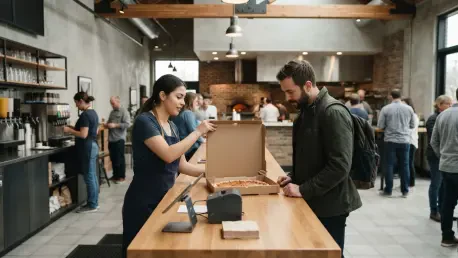

A family member who picks up a meal often experiences a hero dynamic, assuming the role of the provider who successfully solves the dinner dilemma for the household. This psychological phenomenon illustrates why restaurant marketing in 2026 has transitioned from simple transactional data analysis to a sophisticated study of human behavior. Industry veterans like Steve Kennedy have long argued that the restaurant sector functions as an ultimate behavioral laboratory where deep-seated habits often override logical financial considerations. By shifting the focus from what customers are buying to why they are making those specific choices, brands are beginning to uncover the hidden emotional triggers that drive long-term loyalty. This evolution requires marketers to look past creative advertising and instead embrace a framework rooted in behavioral psychology. When a brand understands the social pressures and internal motivations of its audience, it can create a service model that resonates on a far deeper level than any traditional discount or promotion could ever achieve.
Decoding the Motivation Behind Consumer Habits
A fundamental challenge in modern marketing remains the significant disconnect between what consumers state in surveys and how they actually behave in the real world. Many individuals will claim a preference for sustainable packaging or healthy ingredients when prompted, yet their transaction history frequently tells a different story of indulgence and convenience. This discrepancy exists because humans are often unable to articulate their true motivations, which are typically driven by subconscious routines and social expectations rather than calculated logic. Marketers who rely strictly on stated intentions risk building strategies on a fragmented understanding of their customer base. To bridge this gap, successful brands are increasingly ignoring the noise of self-reported data and looking toward loss aversion and social pressure as primary drivers. Understanding these underlying psychological factors allows a restaurant to anticipate needs that the customers themselves might not have fully recognized yet.
To effectively identify the true drivers of behavior, the industry is moving away from passive observation toward a model of continuous, active experimentation. By altering specific variables within the customer journey, such as the digital ordering interface or the timing of notifications, brands can observe real-time shifts in consumer choices. This method is particularly effective for diagnosing issues like shopping cart abandonment, which is rarely a simple matter of price sensitivity. Often, a customer leaves a transaction because of a lack of psychological certainty or a confusing user experience that creates friction during a high-stress moment. Through rigorous testing, restaurants can uncover the subtle nuances that influence decision-making, allowing them to refine their digital and physical touchpoints. This transition toward experimental psychology ensures that every operational change is grounded in the reality of human behavior, creating a more seamless and intuitive experience for every guest.
Operational Performance as Emotional Stewardship
In the context of the modern dining experience, food serves as much more than physical sustenance; it is frequently the centerpiece of a significant emotional event. Whether a meal is intended for a child’s birthday party, a Friday night family ritual, or a quick solution after an exhausting workday, the stakes of the transaction remain remarkably high. When a restaurant takes an order, they are essentially accepting a role as the steward of the customer’s social success. A late delivery or a missing item does not merely result in a cold meal; it actively disrupts the emotional integrity of the occasion and can lead to personal embarrassment for the person hosting the gathering. This perspective forces a reconsideration of operational metrics, viewing them not just as logistical goals but as essential marketing tools. Protecting the emotional occasion becomes the primary objective, as a brand’s reliability during these moments forms the foundation of a lasting relationship with the consumer.
The unique nature of the delivery interaction further amplifies the need for psychological awareness, as it involves a representative of the brand entering a customer’s private property. This level of intimacy creates a different set of expectations compared to traditional retail environments where the interaction occurs on neutral ground. Punctuality, the demeanor of the driver, and the accuracy of the order become the primary signals of brand health and respect for the customer’s personal space. When these elements are handled with precision, they reinforce a sense of safety and trust that is difficult to replicate through digital marketing alone. Operational excellence must therefore be viewed as a core component of the marketing strategy rather than a separate back-of-house function. By prioritizing the human element of the delivery process, restaurants can ensure that every touchpoint reinforces the brand’s commitment to reliability, ultimately turning a standard transaction into a powerful demonstration of care and social support.
The Power Play of Choice and Identity
The decision between choosing delivery and opting for takeout is rarely motivated by a simple desire to save on delivery fees, despite common industry assumptions. Instead, the choice is often rooted in a complex interplay of identity and the need for personal control over the dining outcome. Takeout customers frequently prefer the ability to physically verify the quality and accuracy of their order before leaving the store, which eliminates the psychological discomfort of discovering an error once they have returned home. This sense of certainty provides a reward that outweighs the convenience of delivery for many households. Furthermore, the takeout process allows a family member to maintain their role as the primary provider, ensuring that the meal arrives in perfect condition. By recognizing that these customers are seeking agency rather than just a lower price, restaurants can adjust their service models to better support this hero dynamic, creating a more satisfying and empowering experience for the person responsible for the meal.
Recognizing the subtle shifts in social status and the desire for control has led to small but impactful operational changes within leading restaurant chains. For example, some brands have implemented a protocol where staff members proactively offer takeout customers the chance to inspect their pizza or meal in the store before finalizing the pickup. This simple gesture removes the potential awkwardness of a customer feeling the need to check their food in a dark parking lot or driveway, thereby reducing psychological friction. It also serves to affirm the customer’s role in the process, providing them with the visual and olfactory confirmation they need to feel successful in their mission as the meal provider. By catering to these nuances of human identity, restaurants can build a stronger emotional bond with their audience. This approach transforms a routine errand into a series of positive reinforcements, ensuring that the customer feels valued and capable, which in turn drives the habit of returning to the brand for future meal solutions.
Crafting Value Beyond the Price Point
The traditional definition of value in the restaurant industry is currently being redefined, moving away from a narrow focus on deep discounting and toward a more holistic equation. True value is increasingly seen as the sum of the product quality and the overall experience, weighed against the total cost in terms of both money and time spent. When a brand engages in a race to the bottom by offering excessive coupons or low-quality ingredients, they risk training their customers to view the food as a mere commodity. This strategy often erodes brand equity and makes it difficult to maintain loyalty when a competitor offers an even lower price. If a restaurant sacrifices service speed or order accuracy to achieve a specific price point, the perceived value actually decreases because the psychological cost to the consumer remains high. Maintaining a consistent standard of excellence is a far more sustainable way to communicate value, as it respects the customer’s investment of time and their emotional expectation for a high-quality meal.
Looking back at the shifts observed through 2026, it became clear that the most successful marketing efforts were those that prioritized the human being behind the digital order. Brands that moved past raw data and embraced the role of the behavioral student found that they could foster deep-seated loyalty even in a hyper-competitive environment. These companies recognized that every operational detail served as a psychological touchpoint, influencing how the customer perceived their own status and the reliability of the brand. This realization dictated that restaurants had to prioritize the implementation of certainty protocols that allowed customers to feel in control. Furthermore, industry leaders established that marketers needed to move toward a model of micro-experimentation to identify friction points. By focusing on the emotional integrity of the meal occasion, these brands proved that the psychological needs of the provider were the ultimate key to navigating the complexities of the modern marketplace.